
2026 Lexus TX 350 Review: Specs, Price, Features & Pros and Cons
The 2026 Nissan Rogue PHEV features a plug-in hybrid system. Specifically, it combines a 2.4-liter engine with dual electric motors. This setup delivers a combined 248 horsepower. Furthermore, it offers a 38-mile pure electric range, which is approximately 61 km. Its total maximum range reaches 420 miles. The new vehicle also provides seven drive modes and a three-row, seven-seat configuration. Finally, its estimated starting price in the US is slightly above $40,000.
For global consumers, especially market observers following trends in Chinese cars for sale, this vehicle is an interesting case study. Importantly, it measures how traditional brands respond to electrification challenges.
Nissan’s core objective is to fill a product lineup gap in North America. Consequently, launching the Rogue plug-in hybrid addresses this need. The company faces significant pressure, however, from competitors like the Honda CR-V Hybrid. This model already commands over half of its segment’s sales. Therefore, Nissan must respond swiftly.
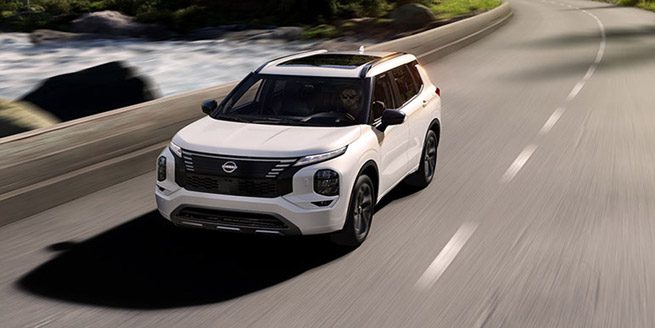
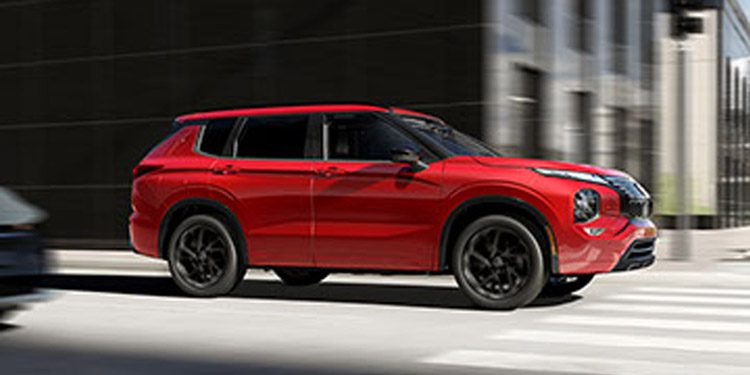
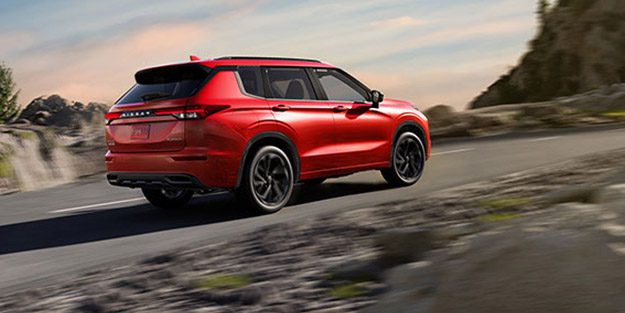
Although the 2024 gasoline Rogue ranked ninth in US SUV sales, its year-over-year sales declined by 10%. As a result, a hybrid upgrade is now an urgent necessity.
The launch context is complex. For instance, strategic talks between Nissan, Mitsubishi, and Honda ended in February 2025. However, some prior joint projects continue. The 2026 Nissan Rogue PHEV, notably, is one of them.
The 2026 Rogue PHEV utilizes a powertrain shared with the Mitsubishi Outlander PHEV. This system includes a 2.4-liter engine and dual electric motors. Together, they produce 248 horsepower and 332 lb-ft of torque.
The powertrain sharing is evident in minor details. Some reviewers, for example, note the cabin buttons use Mitsubishi’s font, not Nissan’s.
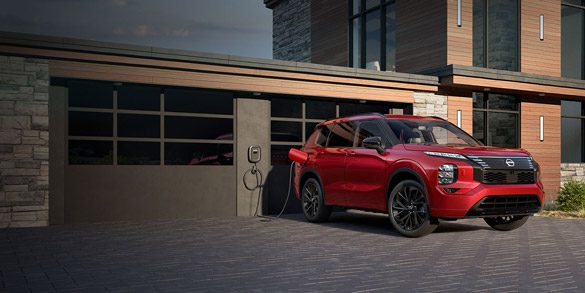
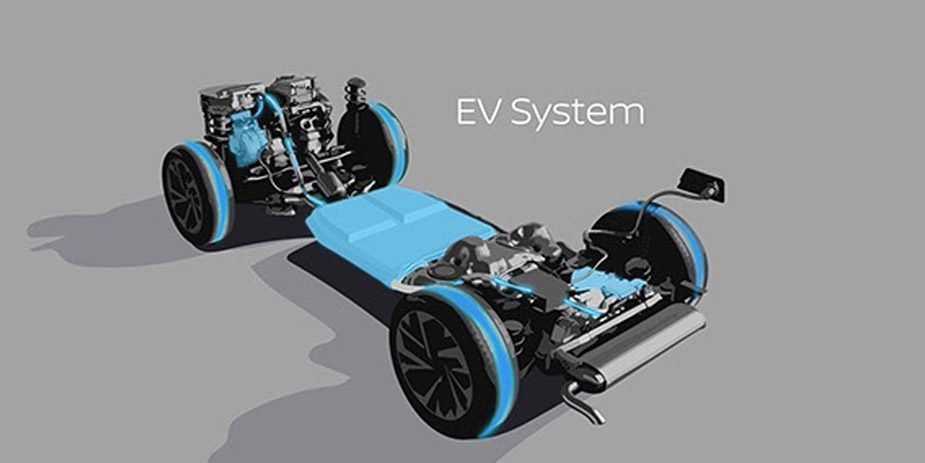
In pure EV mode, the vehicle travels 38 miles. This figure beats the Hyundai Tucson PHEV. However, it still falls short of the Toyota RAV4 Prime’s 78 km WLTC range.
In hybrid mode, fuel economy is not outstanding. It averages approximately 26 miles per gallon. Regarding charging, a Level 2 home charger needs about 7.5 hours to replenish the 20 kWh battery.
The table below clearly summarizes the key parameters:
| Parameter Category | Specific Data |
| Powertrain | 2.4L 4-cylinder engine + Dual Electric Motors |
| Combined Power | 248 horsepower |
| Pure Electric Range | 38 miles (~61 km) |
| Total Range | 420 miles |
| Charging Time | ~7.5 hours with a Level 2 home charger |
| Drive Modes | 7 (Normal, Power, Save, and 4 Terrain modes) |
| Seating Layout | Three-row, Seven-seat |
| Estimated Starting Price | Slightly above $40,000 (US Market) |
The Rogue PHEV offers up to seven drive modes. These encompass Normal, Power, Save, and four terrain modes. Therefore, its extensive selection allows adaptation to diverse environments.
In testing, Snow mode precisely limits power to prevent wheel spin. Similarly, Mud mode focuses on extraction. Consequently, it performs better than most urban PHEV SUVs.
The vehicle has an e-Step one-pedal function. This feature makes power transitions very smooth. However, some reviewers point out a slight pedal shudder with light throttle. Additionally, the motor produces a constant audible whine.
Upon entering, a sense of familiarity is immediate. Specifically, the layout is highly similar to the Mitsubishi Outlander PHEV. Standard equipment includes a 12.3-inch digital cluster and a 9-inch touchscreen. However, its system’s features don’t match the Honda CR-V PHEV’s richness.
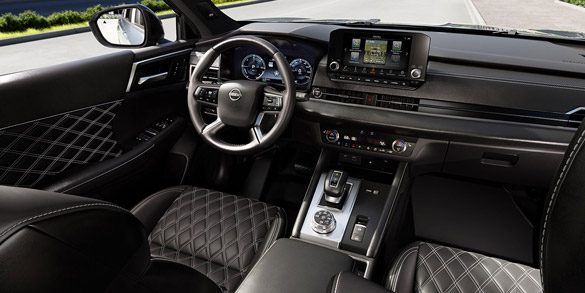
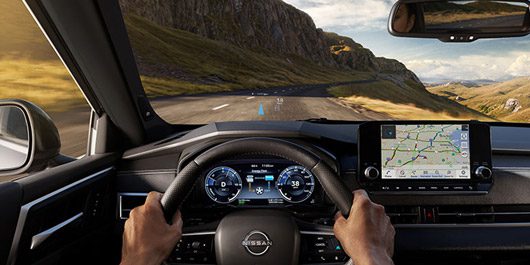
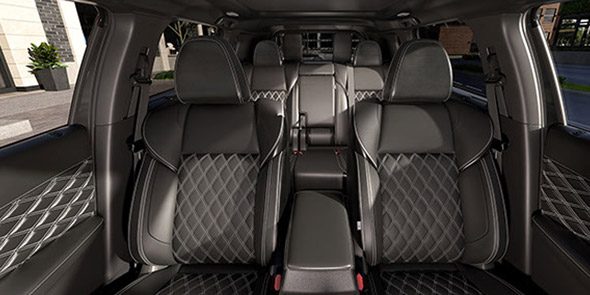
The Platinum trim adds more features. For example, it includes a 10-inch head-up display and leather upholstery. It also adds a Bose audio system and a panoramic moonroof. Externally, however, changes are minimal. They are largely limited to glossy black roof rails.
For space utility, the third-row suits children or temporary use. For cargo, space behind the third row is 12.8 cubic feet. Subsequently, folding it down increases capacity to 30.8 cubic feet.
Pricing is a critical factor for market performance. The Mitsubishi Outlander PHEV starts at $40,445 in the US. Therefore, the Nissan Rogue PHEV’s price should be similar but slightly better.
However, market acceptance faces challenges. Through 2025’s first three quarters, the Outlander PHEV sold only 5,481 units in the US. Additionally, the canceled federal EV tax credit adds sales pressure.
More complex is the product cycle issue. Nissan confirmed the next-generation Rogue will use its e-Power technology. This implies the current PHEV might be a transitional product. Thus, its lifecycle may be relatively short.
Globally, this launch reveals traditional automakers’ strategic choices. By sharing alliance resources, Nissan filled a product gap quickly and at low cost.
For observers monitoring Chinese cars for sale, this vehicle’s performance offers insights. Specifically, it shows how traditional brands respond to competition from Chinese EV makers.
Michael Sott, Nissan’s US sales chief, stated the launch will have advertising support. This campaign aims to boost consumer awareness. Furthermore, the company will prioritize supply to EV-friendly states.
The gloss black rear garnish reflects “NISSAN” lettering in the sunlight. Meanwhile, the digital gauge shows 32 miles of remaining electric range. This distance suffices for most daily commutes. Yet, it may not eliminate doubts about this “rebadged” vehicle’s long-term value.
At the Los Angeles Auto Show, the car appears confident. But when the lights go down, it faces brutal competition and consumer caution. Ultimately, its true value may lie in what it reveals. As an observer noted, every step in electrification involves trade-offs.

