
2026 Toyota C-HR EV Review: Specs, Range, and Driving Experience
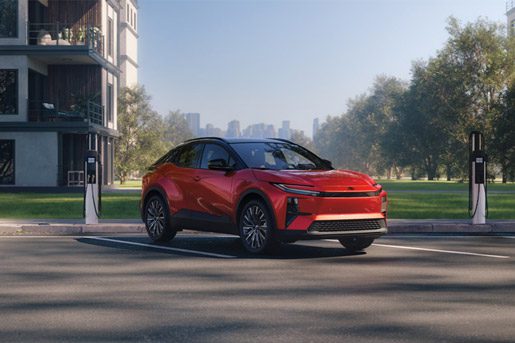
The 2026 Toyota C-HR EV has officially debuted, and it is no longer that conservative “oil-to-electric” conversion model. Toyota has completely changed its strategy this time. In February 2026, the Japanese automaker suddenly revealed all the details of the fully electric C-HR. It rides on the dedicated e-TNGA electric platform, comes standard with all-wheel drive, and can even plug directly into Tesla’s supercharging network.
Toyota has scheduled this vehicle to launch first in the US market in March 2026. Therefore, if you are keeping an eye on this distinctive electric SUV and are curious whether it deserves a spot in your garage, then this review will provide you with a comprehensive reference. For overseas consumers, especially those following the dynamics of chinese cars for sale, the birth of this model also marks a crucial step for Toyota in the global wave of electrification.
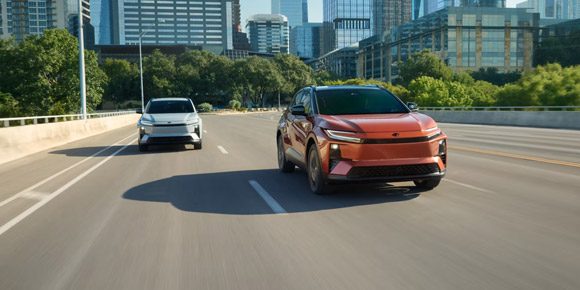
The most significant change in the all-new 2026 Toyota C-HR EV lies in its “skeleton.” It no longer relies on a modified fuel vehicle platform; instead, it adopts Toyota’s dedicated e-TNGA electric architecture.
Powertrain
In the US market, Toyota offers the 2026 C-HR EV in two main trim levels: SE and XSE. The starting price ranges from $37,000 to $39,000 (this price applies to the US market and excludes destination fees or other additional charges). As a result, this pricing positions it directly against the Tesla Model Y, although it is more compact in size.
Range performance is critical for electric vehicles. Fortunately, the 2026 C-HR EV delivers a solid performance in this area.
EPA Range (Environmental Protection Agency standard, very stringent):
For starters, the EPA standard closely mirrors real-world driving conditions. In fact, this means its range proves very reliable for daily commuting. Even for short weekend trips, this range offers more than enough capacity.
Charging Experience:
This feature stands as the biggest highlight of the new car. Toyota has directly equipped the C-HR EV with the NACS charging port, which is Tesla’s charging standard.
This move solves the biggest range anxiety for EV users. For example, imagine this: on a long road trip, while others still wait in line to find a compatible CCS charging station, you have already plugged into a Tesla Supercharger and started replenishing your battery.
Paper specs only tell part of the story; how it drives is what truly matters. Several overseas media outlets have already test-driven this car, and their conclusion remains remarkably consistent: it is genuinely fun to drive.
Agile Handling
Because Toyota places the battery flat under the chassis, the vehicle’s center of gravity sits extremely low. Combined with the standard all-wheel-drive system, the C-HR EV performs very stably through corners. Its steering responds precisely, and the body follows inputs exceptionally well. Although it comes with all-season tires, the front end might experience slight understeer under extreme conditions. However, this minor quirk doesn’t prevent it from being one of the best-handling small electric SUVs in its class.
Powerful Yet Linear Acceleration
338 horsepower propelling this compact SUV provides more than ample motivation. The sensation of accelerating to 60 mph in 4.9 seconds doesn’t produce a dizzying, frantic jolt; instead, it delivers the smooth, sustained shove characteristic of electric vehicles. Furthermore, the braking system impresses, featuring large 17-inch brake discs up front that provide tremendous stopping power.
Engaging Regenerative Braking
Toyota has even equipped it with paddle shifters. However, these aren’t for shifting gears; they allow you to adjust the strength of the four-level regenerative braking system. You can use the paddles to modify the deceleration force on the fly, similar to using engine braking in a fuel car. In fact, you can even achieve most of the functionality of one-pedal driving. As a result, this feature makes the driving experience feel much more interactive.
Stepping inside, the first thing that catches your eye is the massive 14-inch central touchscreen. It runs Toyota’s latest Audio Multimedia system, supports wireless Apple CarPlay and Android Auto, and its responsiveness runs much faster than older Toyota infotainment systems.


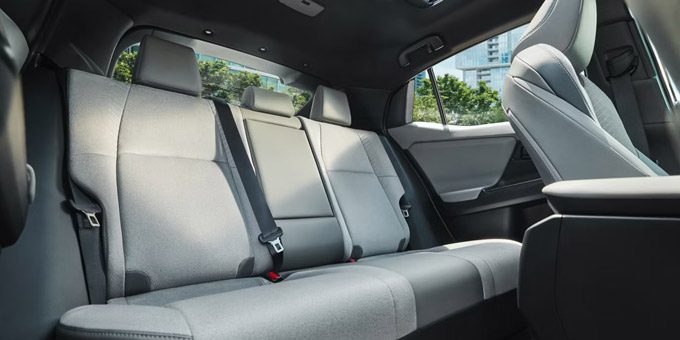
Interior Configuration Highlights:
Space Performance:
This area has traditionally represented a weak point for the C-HR, and the electric version proves no exception.
Although Toyota currently aims the 2026 C-HR EV primarily at the US and European markets, for global consumers keeping an eye on the dynamics of chinese cars for sale, it offers several important insights:
The 2026 Toyota C-HR EV is a model with extremely distinct characteristics.
Who isn’t it for? If you prioritize rear-seat space or need a family vehicle that can frequently carry five people, its back seat will disappoint you.
Who is it for? If you seek driving pleasure, love a dynamic exterior, and want a pure electric SUV that navigates the city with nimble ease while also eliminating charging anxiety, then it is almost tailor-made for you.
It is an electric SUV prioritizing the driver first and foremost. 338 horsepower, 0-60 mph in 4.9 seconds, compatibility with Tesla Superchargers, and that aggressive “hammerhead” front fascia all clearly distinguish it from traditional Toyotas.
As the 2026 Toyota C-HR EV gradually arrives in showrooms around the world, it sends a clear signal to the market: Toyota no longer plays it conservative; they are starting to take electric vehicles seriously. And for those buyers browsing for chinese cars for sale, the presence of a formidable competitor often means encountering even better products. Consequently, everyone wins from this intensified competition.

