

2026 Lexus TX 350 Review: Specs, Price, Features & Pros and Cons
The starting price of the 2026 Toyota C-HR in the United States is $37,000 (excluding a $1,450 destination fee), which is approximately 40% higher than the $26,200 starting price of the Honda HR-V.
The Toyota C-HR, with its innovative pure electric and hybrid powertrains, sporty coupe-like styling, and comprehensive safety technology, directly targets consumers seeking a tech-forward and engaging driving experience.
In contrast, the Honda HR-V focuses on attracting family users and first-time car buyers through value-for-money, spatial practicality, and reliable fuel economy.
First, let’s examine the key differences between the 2026 Toyota C-HR and the Honda HR-V through a quick comparison table:
| Comparison Dimension | 2026 Toyota C-HR | 2026 Honda HR-V |
| Starting Price (US Market) | $37,000 (Pure Electric) | $26,200 (Gasoline) |
| Powertrain | Pure Electric / Hybrid | 2.0L 4-Cylinder Gasoline |
| Max Power | 338 HP (Pure Electric) | 158 HP |
| 0-60 mph Acceleration | ~5 sec (Pure Electric) | Data unspecified, noted as “rather sluggish” |
| Fuel Economy | 4.0-4.1 L/100km (Hybrid) | ~8.4 L/100km (Combined) |
| Safety Rating | 5-Star ANCAP (2024 Test) | Excellent Crash Test Scores |
| Infotainment System | 14-inch Touchscreen | 9-inch Touchscreen (Standard) |
| Key Advantages | Advanced Powertrain, Futuristic Design, Comprehensive Safety Tech | Affordable Price, Practical Space, Lower Maintenance Cost |
The two models establish clear market segmentation through their pricing. The 2026 Honda HR-V has a starting MSRP of $26,200 in the US market, reaching $27,595 including the destination fee.
In comparison, the pure electric version of the 2026 Toyota C-HR starts at $37,000, rising to $38,450 with the destination charge. This represents a price gap of over $10,000—enough to nearly purchase another basic economy car.
This price difference reflects their entirely different technological paths and market positions. The Honda HR-V adheres to traditional gasoline power, maintaining price competitiveness through cost control, while the Toyota C-HR fully embraces electrification and hybridization, with the technological investment naturally reflected in its price.
It is worth noting that in the Chinese car market, the starting price for the 2026 Toyota C-HR is 162,800 RMB. Typically, the Honda HR-V is positioned at a lower price point than its Toyota counterpart in China, a pricing pattern consistent across multiple global markets. For buyers exploring chinese cars for sale, understanding these global price positioning strategies is crucial.
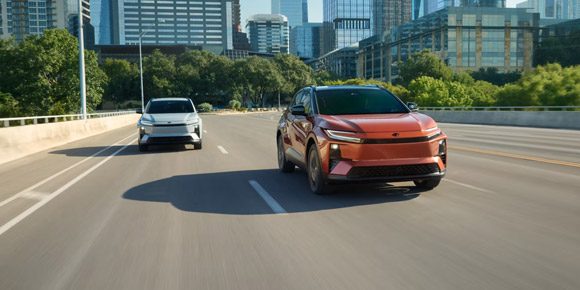
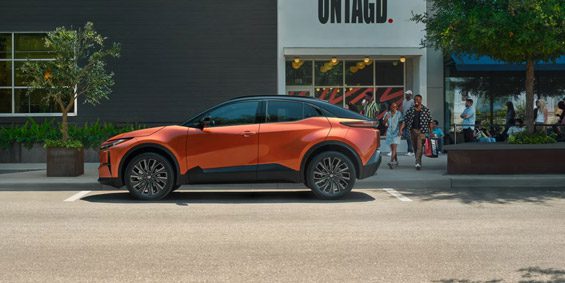
In terms of exterior design, the Toyota C-HR adopts a more radical and avant-garde design language. It blends the streamlined silhouette of a coupe with the practical stance of an SUV, creating a unique visual impact. This “design-first” philosophy gives the C-HR extremely high road presence, particularly appealing to younger consumers who view their car as an extension of personal style.
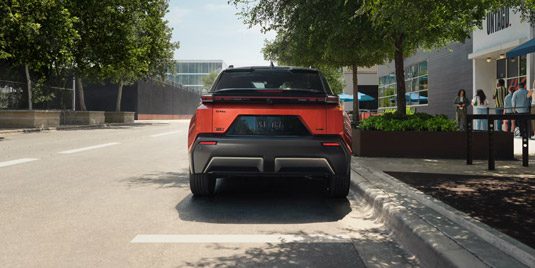
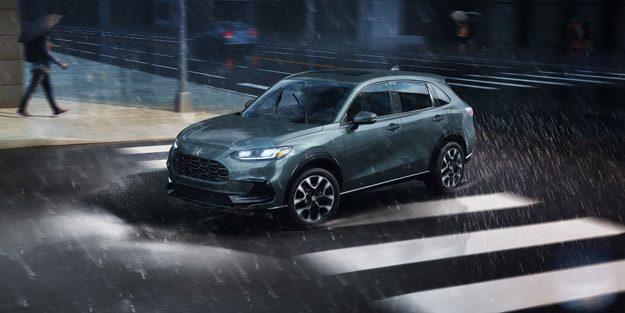
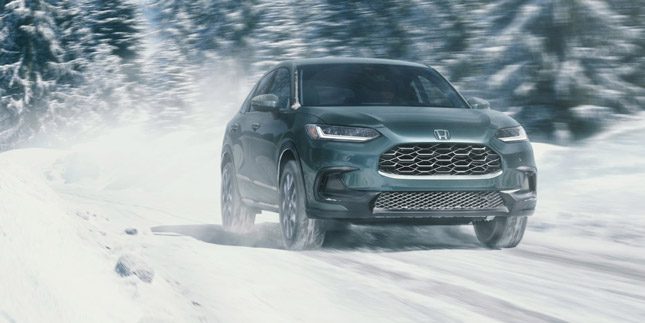
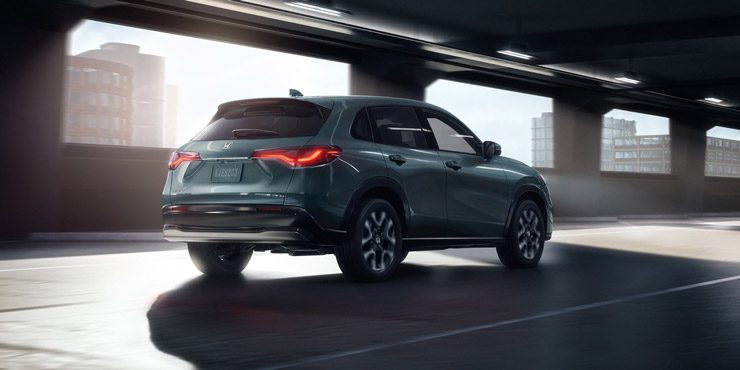
The Honda HR-V takes a more conservative and practical design route. Updates for the 2026 model year mainly include new alloy wheel designs and two new color choices, with the overall shape seeing little change. The advantage of this design is that it won’t become dated quickly and maintains the reliable image consistent with the HR-V lineage.
Regarding interior space, the Honda HR-V boasts 24.4 cubic feet of cargo space, significantly better than the Toyota C-HR’s 19.1 cubic feet. The HR-V’s signature “Magic Seat” system provides flexible space configurations, further enhancing its practicality. The Toyota C-HR’s sloping roofline imposes some limitations on rear headroom and trunk capacity.
The 2026 Toyota C-HR holds a commanding advantage in performance, especially in its pure electric version. It features a dual-motor all-wheel-drive system with a combined output of 338 horsepower, achieving 0-60 mph in approximately 5 seconds. Even the hybrid version offers a smoother and more responsive driving experience than traditional gasoline vehicles.
In contrast, the Honda HR-V continues with a 2.0-liter four-cylinder engine producing 158 horsepower, paired with a continuously variable transmission (CVT). Professional reviews note that this car’s acceleration on highways is “rather sluggish,” especially when passing or climbing hills is required. The HR-V offers both front-wheel drive and all-wheel drive, with the AWD system requiring an additional $1,500.
The pure electric version of the Toyota C-HR is equipped with a 74.7 kWh battery pack, offering a maximum range of up to 290 miles (approximately 467 km). It supports fast charging, capable of replenishing the battery from 10% to 80% in about 30 minutes. This charging efficiency significantly alleviates range anxiety for electric vehicles, making it a viable option for long-distance travel.
Regarding fuel economy, the Toyota C-HR Hybrid performs exceptionally well, with an official fuel consumption of 4.0-4.1 L/100km. In real-world use, this figure may slightly increase depending on driving conditions and habits but remains far lower than that of traditional gasoline cars.
The official fuel economy figures for the Honda HR-V are 26 mpg city / 32 mpg highway / 28 mpg combined for the front-wheel-drive version (approximately 9.0 / 7.3 / 8.4 L/100km). The all-wheel-drive version is slightly less efficient at 25/30/27 mpg.
From a long-term ownership cost perspective, the Toyota C-HR’s electric and hybrid systems offer a significant advantage in fuel costs. This advantage is even more pronounced in regions with high fuel prices. However, the potential battery replacement cost for the electric version (approximately 10,000 – 20,000 RMB) is a factor to consider.
Although the Honda HR-V is less fuel-efficient than hybrid or electric models, its traditional powertrain benefits from lower maintenance costs and a widespread service network, which are advantages in terms of long-term ownership costs.
Safety performance is a high priority for both vehicles. The 2026 Toyota C-HR earned a 5-star safety rating in the 2024 ANCAP tests. It comes standard with the Toyota Safety Sense 3.0 system, which includes a pre-collision system with pedestrian detection, full-speed range adaptive cruise control, lane-keeping assist, and road sign recognition.
The Honda HR-V is also equipped with comprehensive safety technology. Standard features include the Honda Sensing suite, containing collision mitigation braking, road departure mitigation, adaptive cruise control, and traffic sign recognition. Although the latest safety test scores have not been released, the HR-V has historically performed well in crash tests.
It is noteworthy that the Toyota C-HR also offers some advanced safety features, such as a parking assist system with automatic braking, blind-spot monitoring, and a panoramic camera (on higher trims). These technologies further enhance driving convenience and safety.
In terms of infotainment systems, updates for the 2026 model year have made both cars more competitive. The Toyota C-HR is equipped with a 14-inch touchscreen integrating the Toyota Audio multimedia system. This large screen provides an excellent visual experience and operational convenience, aligning with current trends in automotive technology.


The Honda HR-V received a significant upgrade for 2026, making a 9-inch touchscreen and wireless device charging standard across all trims. This change means even the most basic LX trim offers the same infotainment experience as the top EX-L trim. The system supports wireless Apple CarPlay and Android Auto, improving the convenience of smartphone connectivity.
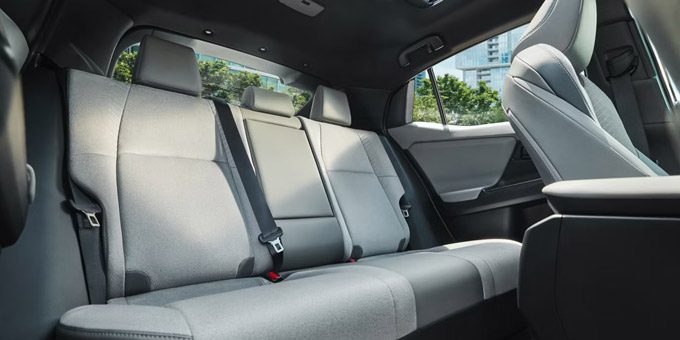
The Toyota C-HR’s interior uses higher-quality materials, including SofTex synthetic leather and fabric combinations, along with a heated steering wheel and front seats. Higher trims even offer a combination of synthetic leather and suede, creating a more upscale ambiance.
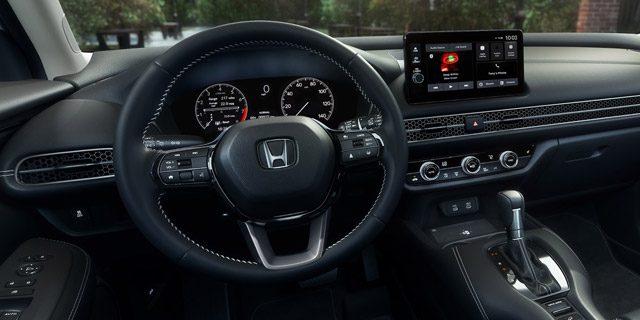
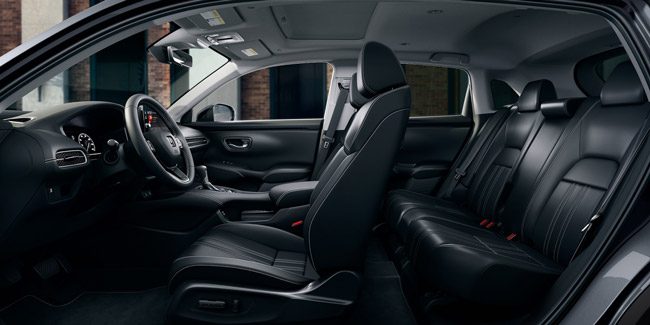
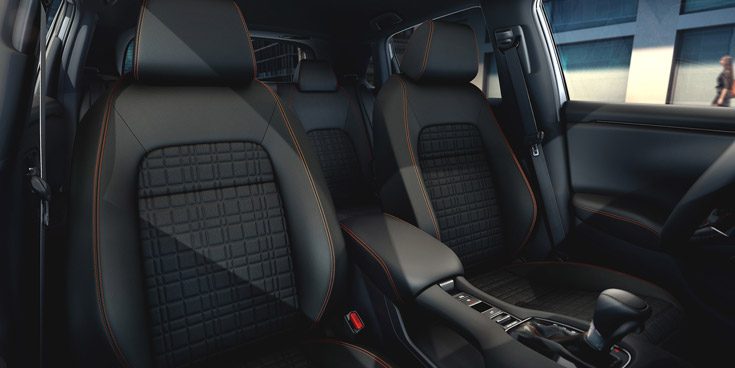
The Honda HR-V’s interior design focuses more on functionality and practicality. The 2026 EX-L trim also features an updated steering wheel design, adding footwell illumination and dynamic climate control lighting details.
The 2026 Toyota C-HR and Honda HR-V target distinctly different consumer groups, a differentiation evident across major global markets.
For consumers who value technological innovation, seek driving enjoyment, and have sufficient budget, the Toyota C-HR is clearly the more attractive choice. It is particularly suitable for consumers living in urban environments with easy access to charging facilities, as well as those with environmental awareness who wish to reduce their carbon footprint.
The Honda HR-V is better suited for budget-conscious consumers who prioritize practicality and long-term reliability. Its traditional gasoline powertrain holds an advantage in regions with underdeveloped charging infrastructure. Its larger cargo space and flexible interior configuration also make it an ideal choice for small families.
In the Chinese car market, both models are available for sale. The Toyota C-HR starts at 162,800 RMB, while the Honda HR-V is typically positioned at a slightly lower price point, maintaining a similar price differential pattern as seen in the US market. With the continuation of new energy vehicle incentives within Chinese car sales policies, electric and hybrid models may receive more policy support. This is a key consideration for anyone looking at chinese cars for sale.
The Honda HR-V is better suited for family users with limited budgets who value practical space. Its reliable gasoline powertrain and flexible “Magic Seat” design meet the basic needs of daily commuting.
The 2026 Toyota C-HR targets consumers pursuing cutting-edge technology, design appeal, and driving experience. Its pure electric and hybrid powertrains deliver performance and efficiency far surpassing traditional gasoline vehicles.

