
Is It Better to Buy a Car at Month-End or Year-End?
For many car buyers worldwide, a budget of $20,000 represents a significant psychological threshold. As we enter 2026, competition in this segment has evolved beyond simply adding features; it is now a direct clash of strategies focused on democratizing core technologies and global market positioning. This article provides an in-depth analysis of the top contenders in each category, uncovering their unique strengths and offering a clear guide for your purchasing decision.
Driven by both policy and technological advancement, battery electric vehicles have become the most dynamic segment in the under-$20,000 market. Their key competitive battleground is shifting from pure range to intelligence and overall user experience.
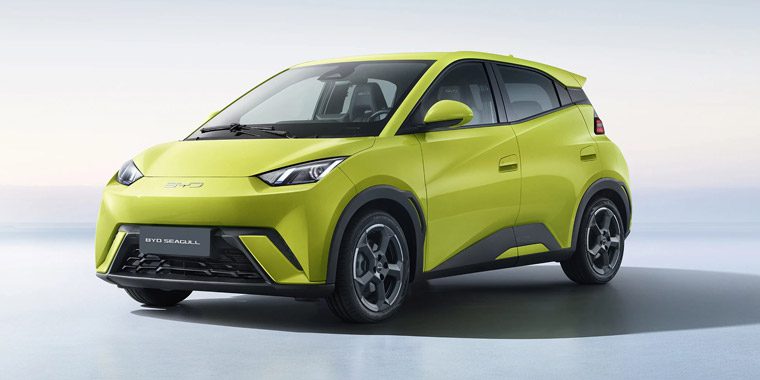
It offers an unparalleled “leapfrog intelligent driving experience” in the global affordable car market. In markets like China, the price of its high-spec Intelligent Driving Edition is expected to be firmly controlled around $12,000. Its revolutionary significance lies in bringing L2+ advanced driver-assistance systems, typically found in premium models, into an unprecedentedly accessible price range. Equipped with up to 29 sensors, the vehicle can perform functions including adaptive cruise control, lane centering, automatic parking, and even navigation-assisted driving on specific highways. For young urban commuters seeking cutting-edge technology, it is more than mere transportation; it is an attainable “intelligent mobile space.”
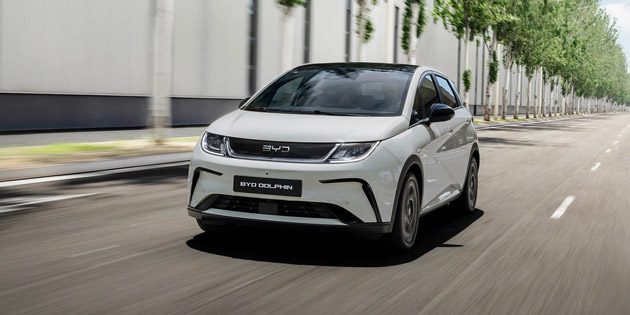
This model acts as a “popularized flagship,” carrying the brand’s most advanced technology to the masses. The anticipated 2026 update is expected to feature a major technological overhaul, centered on the adoption of CTB (Cell-to-Body) battery integration technology and a potential shift to a rear-wheel-drive layout. CTB technology integrates battery cells directly into the vehicle’s body structure, significantly enhancing rigidity, safety, and interior space efficiency. A rear-wheel-drive configuration promises greater driving engagement. Combined with an expected pure-electric range exceeding 520 km, it comprehensively addresses common concerns about safety, space, driving dynamics, and range in affordable EVs, making it a well-rounded choice for technology enthusiasts.
For users in regions with less developed charging infrastructure or those who frequently undertake long journeys, hybrid vehicles offer an optimal, seamless solution. Their core value proposition lies in exceptional energy efficiency.
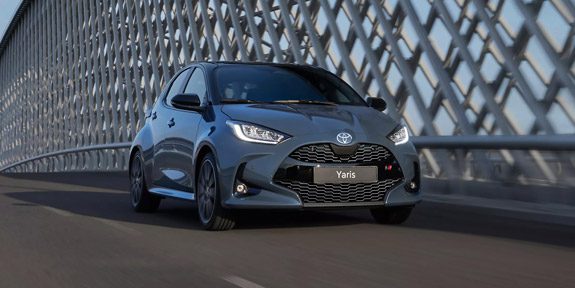
It embodies “ultimate reliability and efficiency,” refined over multiple generations. In mature markets like Japan and Europe, its price is projected to remain steadfastly below $20,000. Its strength does not lie in raw power but in the remarkably refined fuel economy delivered by Toyota’s deeply evolved hybrid system. The new-generation system promises further improvements in power response and energy consumption, while the TNGA platform ensures excellent driving stability and safety. It is the perfect embodiment of a “worry-free and economical” philosophy, ideal for all pragmatic users who see their vehicle as a dependable partner.
While the ICE market faces pressure, leading brands are maintaining strong competitiveness through “value enhancement” strategies. Their core advantages are all-around capability, proven reliability, and low total cost of ownership.
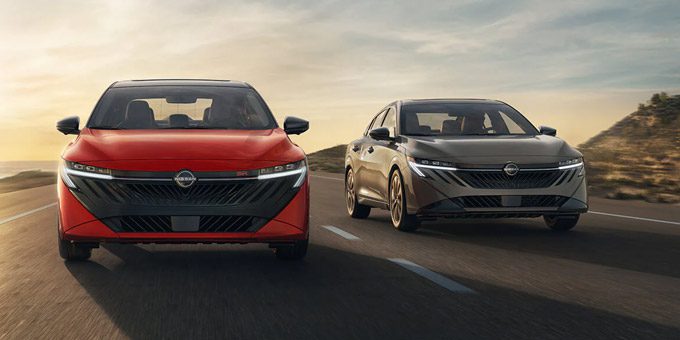
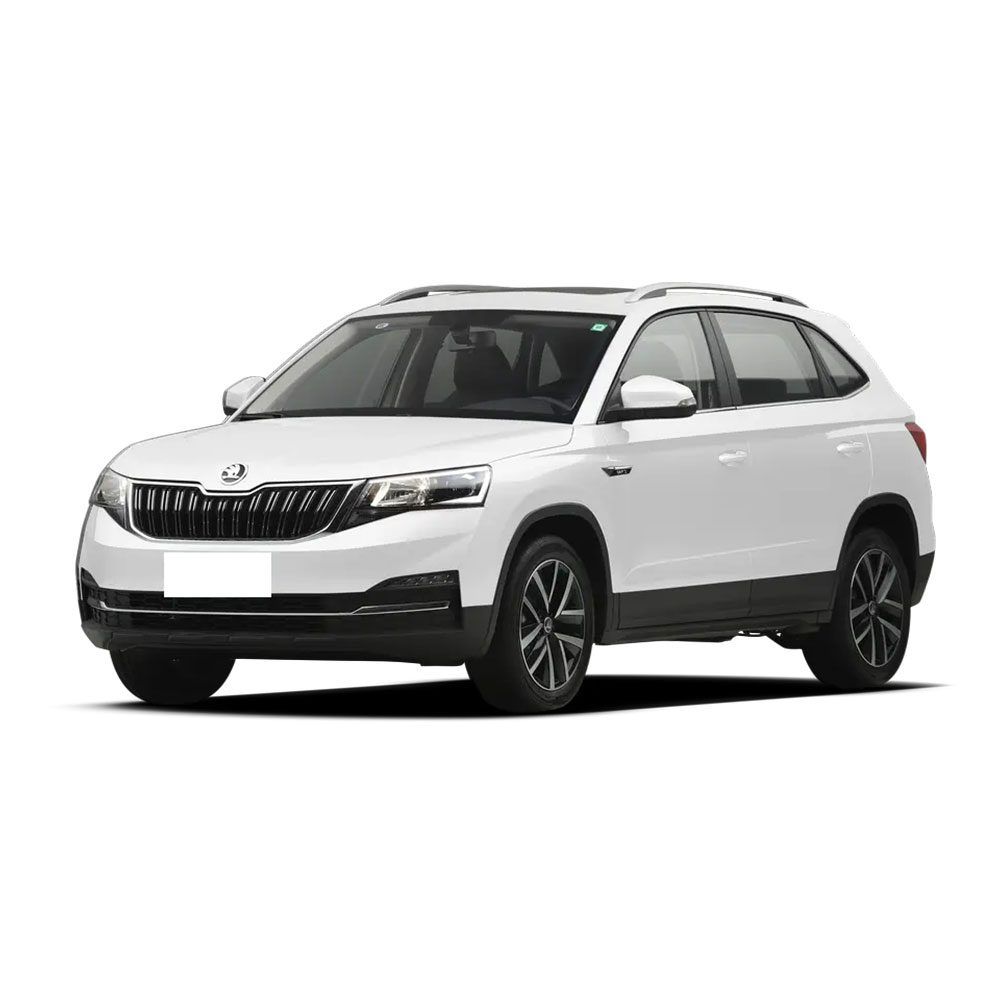
A comprehensively competent “value benchmark for family sedans.” Taking the US market as an example, while its base Manufacturer’s Suggested Retail Price (MSRP) might start slightly above $20,000, it readily enters this range with common incentives. Its core competitiveness comes from offering comfort, technology, and safety features that surpass its class expectations. For instance, standard equipment such as 10 airbags, a suite of active safety systems, and excellent cabin quietness provides strong reassurance for families. It may not lead in any single category, but it scores highly across the board, making it a secure and comfortable choice for family-focused buyers.
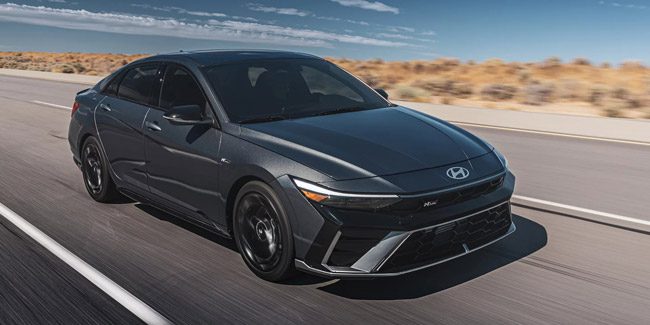
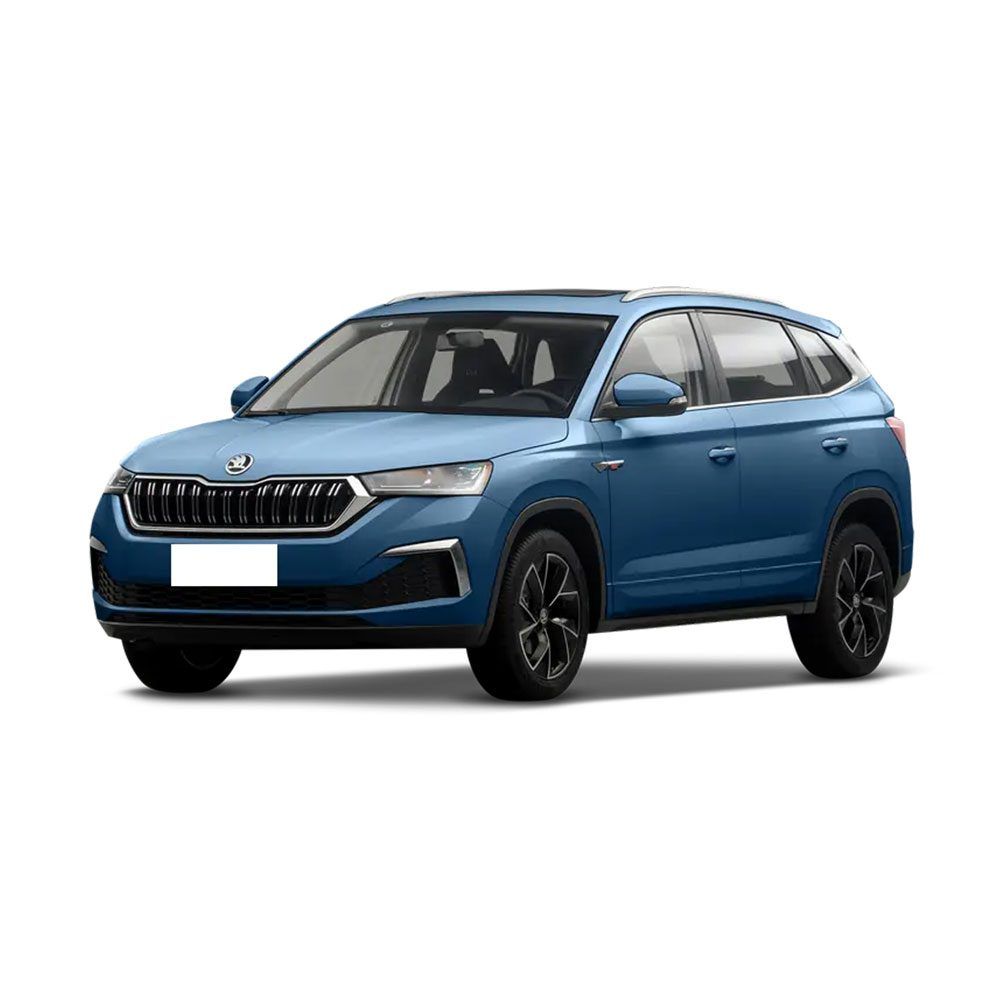
It stands out as the “design pioneer and tech-savvy cabin” among ICE vehicles. It is equally dedicated to delivering high value within the $20,000 bracket. Its strengths are a futuristic, distinctive exterior design and a boldly innovative interior layout—such as potentially replacing traditional gauges with a large head-up display. Its infotainment system also sees continuous upgrades in connectivity and responsiveness. It successfully attracts younger consumers who appreciate the proven convenience of ICE vehicles but desire expressive styling and modern tech, rejecting bland design.
Chinese brands, represented by MG, BYD, and Geely, are redefining “high value-for-money” as a new global standard through their extensive international networks for chinese cars for sale. Their core advantage is delivering “premium-level experiences at entry-level prices.”
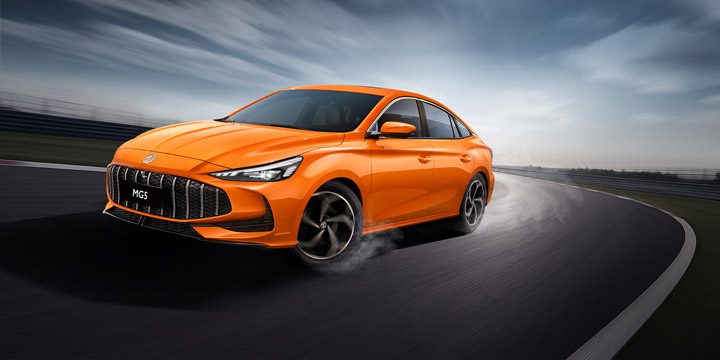
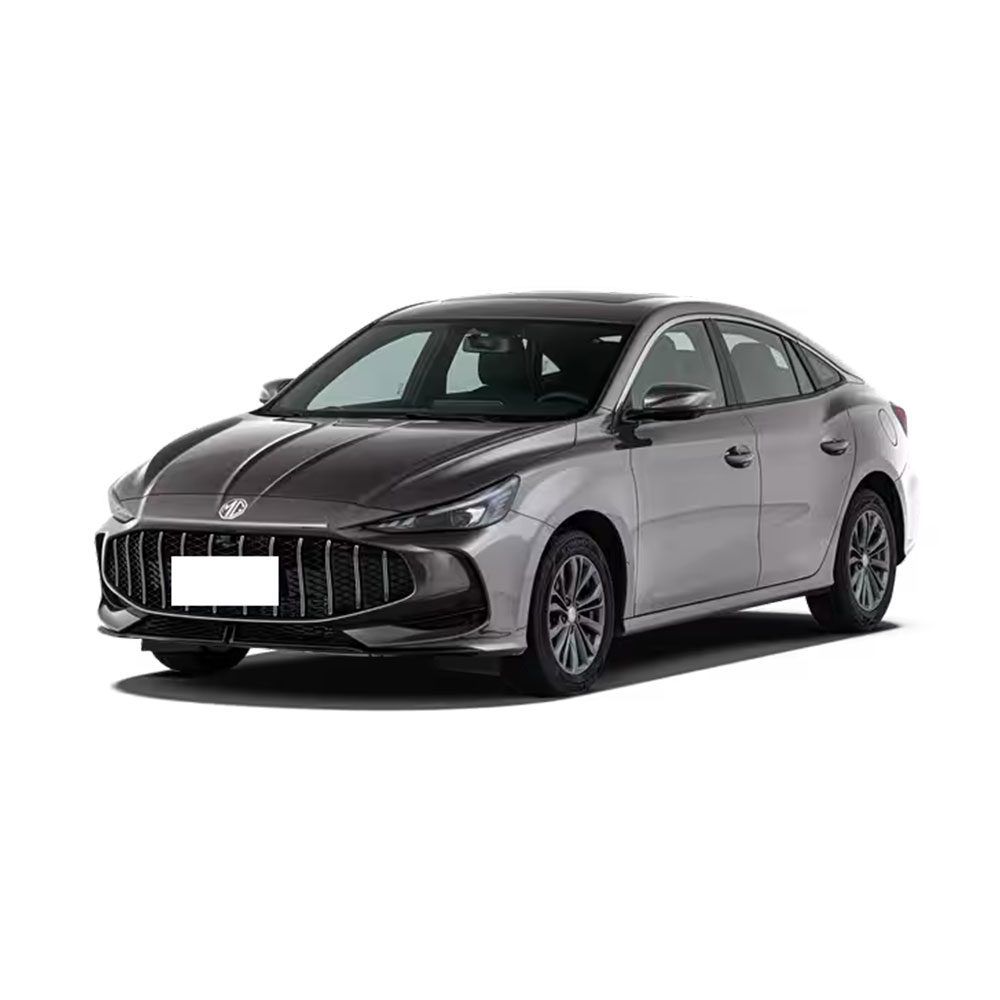
An “affordable performance-oriented coupe sedan” designed to ignite driving passion. In its home Chinese market, it is priced between approximately $8,400 and $9,800. When exported to markets like Australia, Mexico, and the Middle East through chinese cars for sale channels, it maintains high competitiveness. Its potent 1.5T engine and features like the XDS electronic differential lock system (which enhances cornering confidence) provide a sporty driving feel uncommon for ICE cars in this price segment. It proves that driving enjoyment is not the sole preserve of expensive sports cars, appealing to budget-conscious driving enthusiasts worldwide.
Beyond individual models, the collective strength of Chinese brands lies in rapid innovation cycles and acute responsiveness to user preferences. In areas like smart connectivity, voice control, and creating a premium cabin ambiance, they often accelerate the trickle-down of features from luxury models to affordable ones. Coupled with continuous over-the-air (OTA) updates, this allows global consumers to enjoy the benefits of the latest technology at a significantly lower cost.
In summary, the under-$20,000 automotive market in 2026 presents a compelling contest between a global value revolution, increasingly led by “Intelligent Chinese Manufacturing,” and the robust, defensive strategies of established giants. Whether your preference is the smart electrification of EVs, the seamless efficiency of hybrids, the balanced dependability of ICE vehicles, or the premium-surpassing experience offered by Chinese brands, the ultimate beneficiary is the global consumer. Before finalizing your choice, conducting thorough local market research and a personal test drive remain crucial steps to ensuring the best possible ownership experience.

