
2026 Lexus TX 350 Review: Specs, Price, Features & Pros and Cons
Car prices in Algeria remain strikingly high compared to regional neighbors and global markets, often pricing out middle-class buyers from even entry-level vehicles. This phenomenon results from a combination of stringent government controls, economic vulnerabilities, and chronic supply shortages that sustain artificial scarcity. In this environment, more affordable options like Chinese cars for sale are starting to attract interest as practical alternatives for cost-conscious consumers.

Algeria’s authorities have repeatedly imposed bans and quotas on vehicle imports to safeguard foreign reserves and promote domestic assembly. These policies drastically limit new car inflows, creating a seller’s market where demand surges far beyond supply. Even as licenses have been reintroduced for individuals and firms, bureaucratic delays and caps prevent normalization, allowing dealers to charge premiums on scarce inventory. Such measures, while protecting local jobs, have fueled black-market speculation and resale inflation.

Vehicles entering Algeria endure steep customs duties, VAT, and ancillary fees that can inflate base prices by 50-100% or more. A model retailing for $15,000 in Europe might cost double locally after all levies. Add shipping from distant origins, port congestion, and insurance, and logistics alone add thousands. Unlike freer-trade nations like Morocco, Algeria’s protections shield nascent industry at the direct expense of buyer affordability.
Persistent devaluation of the Algerian dinar against hard currencies like the dollar and euro amplifies import expenses across the board. Oil-dependent revenues fluctuate wildly, constraining forex availability and discouraging import surges. High inflation and rising incomes paradoxically boost car aspirations without easing access, positioning vehicles as status symbols rather than utilities for many families.
Domestic plants assembling brands like Renault or Kia output volumes too low to meet national needs, perpetuating import dependence. A concentrated network of official dealers exploits this gap, setting margins unchecked by competition. Used-car segments mirror the chaos, with low supply driving absurd markups amid hoarding. Consumer outcry highlights the disconnect from international benchmarks.
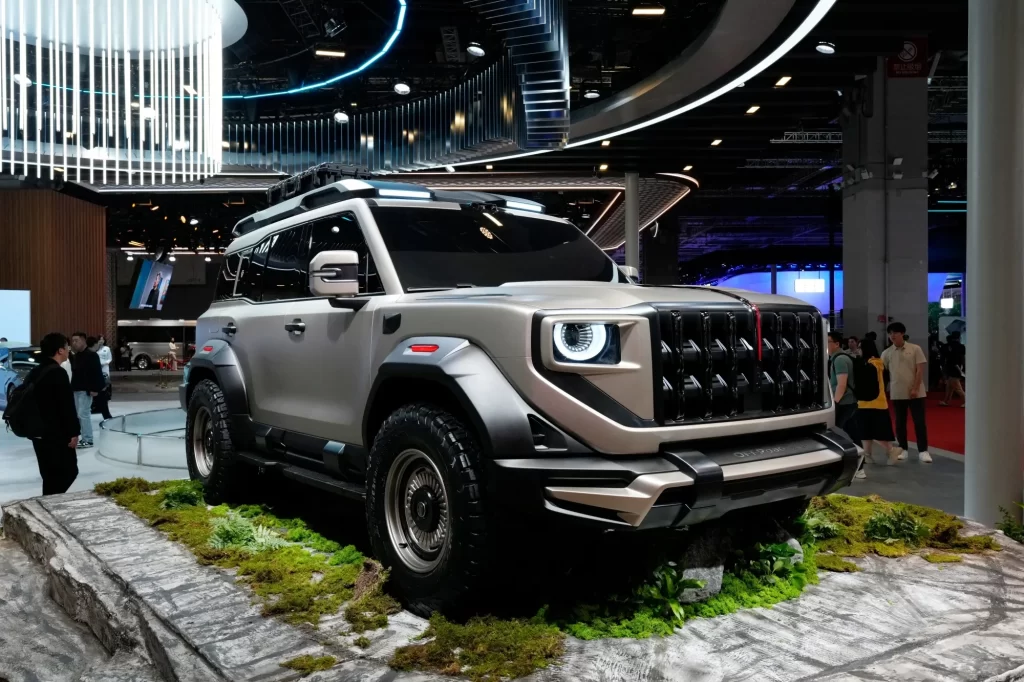
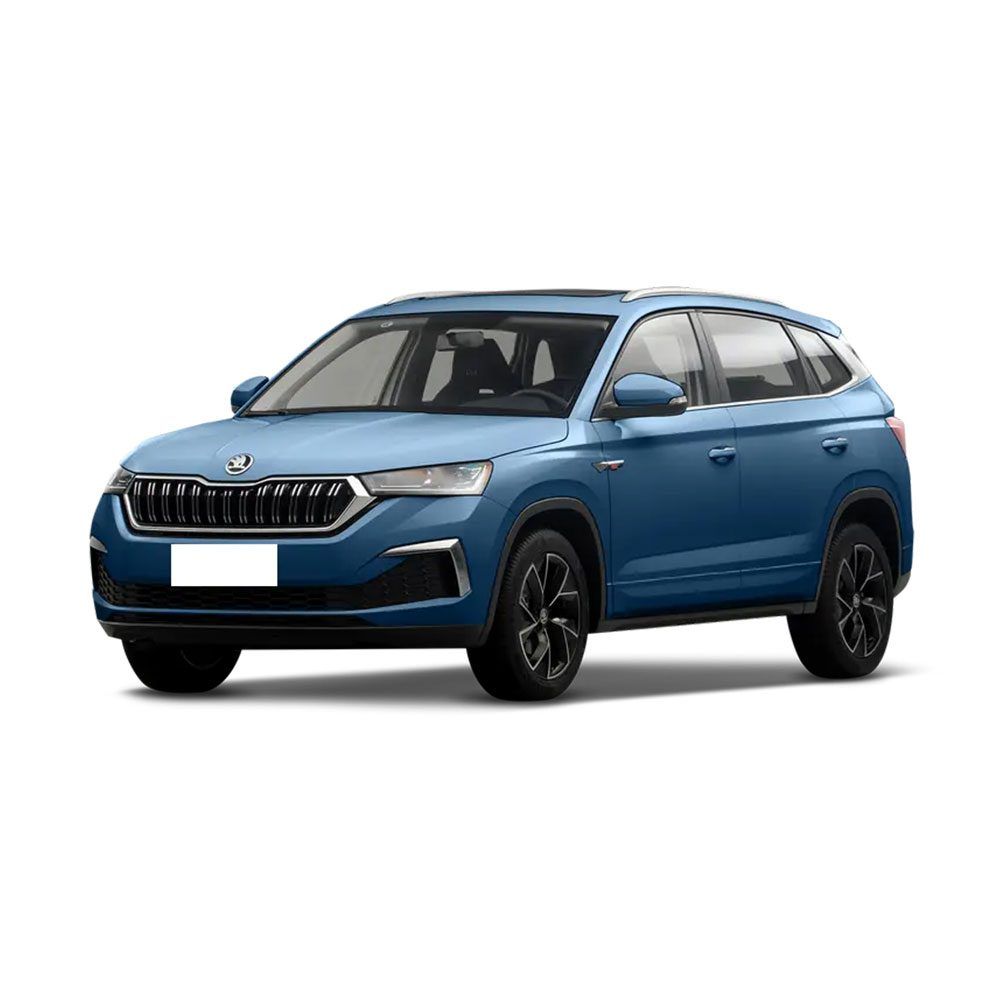
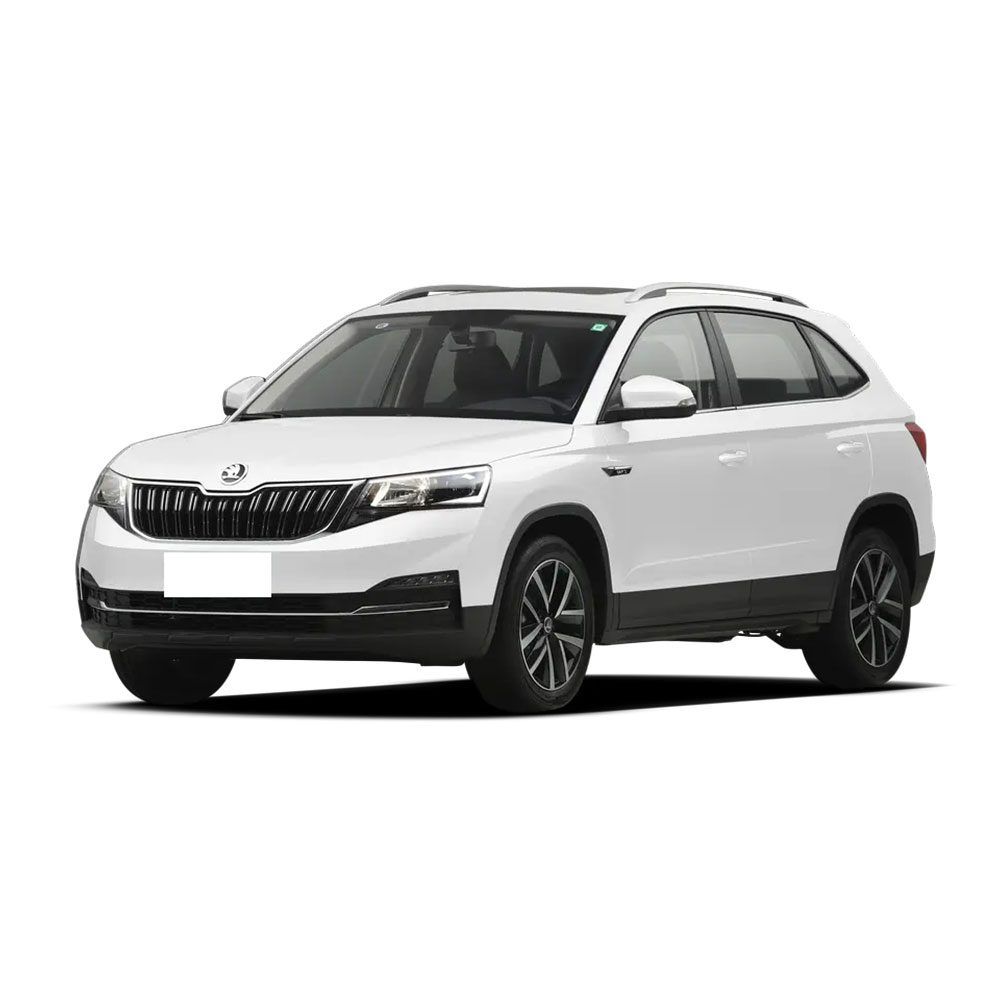
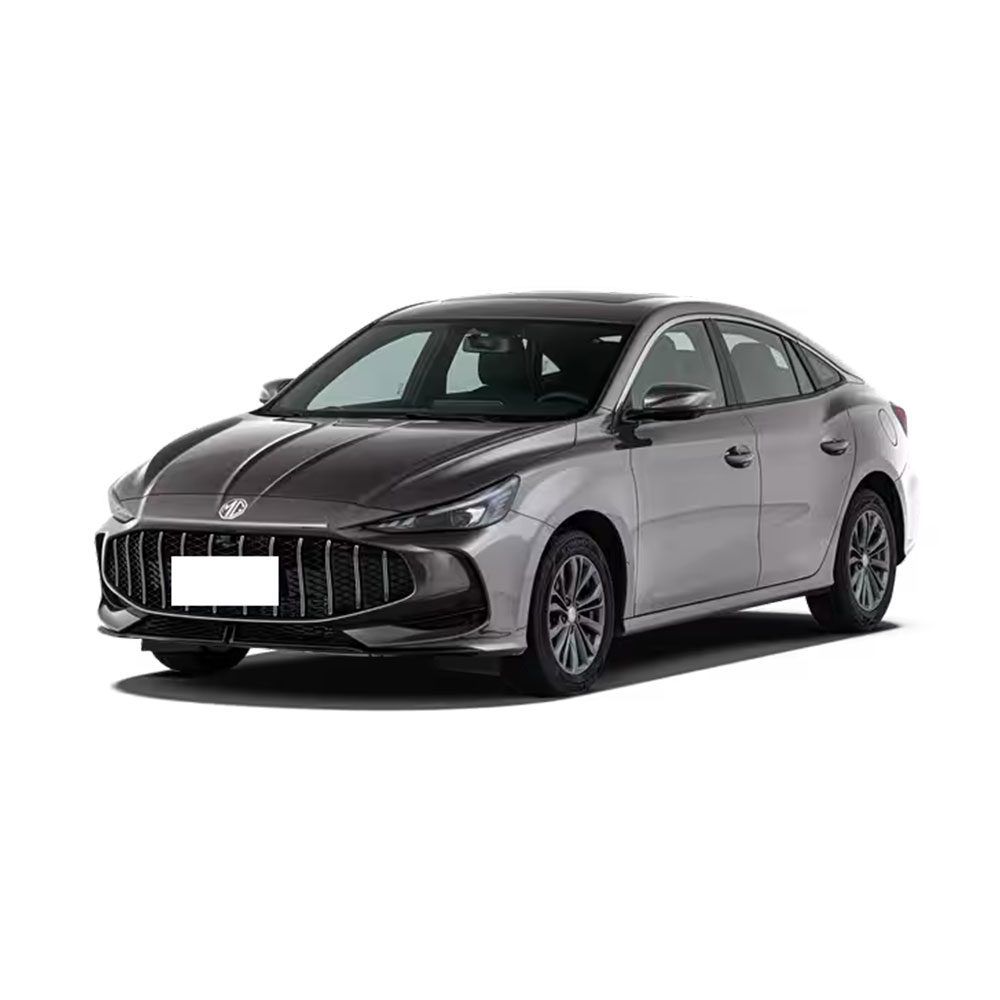
Chinese cars for sale are carving a niche in Algeria’s tough market, offering SUVs, sedans, and EVs from makers like Chery, BYD, and Geely at sharper entry prices. These vehicles pack modern tech, warranties, and financing unavailable at similar costs from legacy brands. Policy tweaks favoring Asian partnerships position Chinese cars for sale to undercut European and Japanese premiums, though taxes still bite. Their value proposition appeals to young buyers eyeing long-term savings on maintenance and fuel.
Prospective owners should prioritize total ownership costs, including parts availability and efficiency ratings. Timing purchases around policy announcements or dealer promotions can yield deals. Venturing into Chinese cars for sale via certified outlets often balances modernity and budget better than pricier imports. Long-term, economic diversification and production ramps could temper inflation, but savvy navigation remains essential in 2025.

