

How can I improve my car AC performance in summer?
Buying a car online, especially when considering vehicles from the international market (such as focusing on models available through Chinese car sales), is both exciting and challenging. To ensure the safety of your funds and a positive car-buying experience, a thorough checklist is essential. This article will guide you through each critical step, from initial preparation to final delivery.
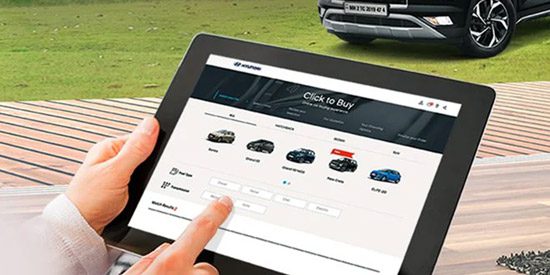
First, you must honestly assess your financial situation. In addition to the vehicle’s listed price, be sure to allocate sufficient budget for international shipping, import duties, value-added tax (VAT), registration fees, and potential modification costs. At the same time, clarify your core needs: Are you prioritizing fuel economy, interior space, performance, or a specific brand/model? Clear goals will help you quickly filter through the vast amount of Chinese car sales information and avoid impulsive purchases.
The seller’s credibility is the cornerstone of a secure transaction. Therefore, carefully research the seller’s website, looking for the “About Us” section, physical address, contact phone number, and business registration information. Furthermore, proactively search for external reviews of the seller, such as feedback on industry forums or social media. For Chinese car sales businesses, you can inquire whether they have export qualifications and a history of international transactions. A legitimate seller will usually be happy to provide this information to build trust.
The Vehicle Identification Number (VIN) is the car’s “ID card.” You must request this number from the seller and use paid services like Carfax or AutoCheck (for the North American market), or international VIN query platforms, to obtain a detailed history report. This report can reveal accident records, whether the mileage is accurate, any history of flood damage, and changes in ownership. Any vehicle with undisclosed major historical issues should be immediately ruled out.
Complete maintenance records are the best proof that a vehicle has been well cared for. Ask the seller to provide all official repair and maintenance invoices to see if servicing was done regularly at authorized service centers. Additionally, for older vehicles, it is crucial to understand their annual inspection history (applicable in some countries) and the replacement status of key components (such as the transmission or timing belt). These records directly impact the vehicle’s reliability and residual value.
Since an in-person inspection is not possible, you must rely on high-quality visual evidence. Request that the seller provide unedited, high-definition photos and videos of the entire vehicle taken in daylight. Key inspection points include:
Before making any payment, be sure to verify all documents. Key documents include the vehicle title (verify that the owner’s name matches the seller’s), a valid export license, commercial invoices, and the aforementioned maintenance records. For vehicles purchased from Chinese car sales platforms, you also need to confirm that the vehicle meets export standards and understand your country’s import regulations in advance, ensuring all documents are complete for customs clearance.
Finally, clearly define the entire transaction process. This includes:
In summary, a successful online international car purchase is a project requiring patience and meticulous research. By following the systematic checks outlined in these seven steps, you can significantly reduce risks and confidently find your ideal, reliable vehicle from the global market, including the booming Chinese car sales market. Wishing you a smooth car purchase!

