
Do I need a customs broker to import cars from China?
As you browse through car import web pages, you’re likely pondering a question: “Do I really need a customs broker to import cars from China?” This is a critical question. China is now the world’s largest car exporter, with exports reaching an astonishing 8.32 million vehicles in 2025. Whether you’re in Mexico, Russia, the UAE, or Belgium, you can see more and more information about chinese cars for sale.
However, shipping a car from China to your country involves much more than just payment and waiting for delivery. This article will provide a detailed analysis of the role of customs brokers from a global perspective and help you determine whether your import business requires professional assistance.
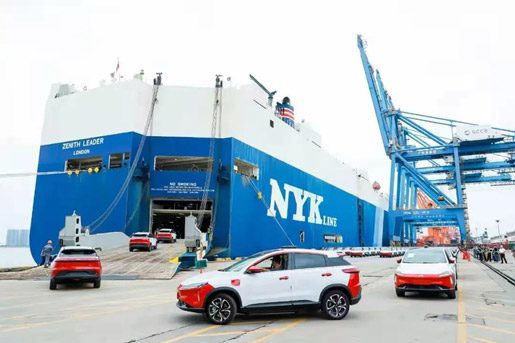
Let’s give you a direct answer first: Not necessarily. It depends on the laws and regulations of your country or region, as well as your own capabilities.
Take China as an example. According to the Customs Law of the People’s Republic of China, consignees and consignors of import and export goods can handle customs declaration and tax payment procedures themselves, or they can entrust a customs declaration enterprise to handle them. This means that when exporting from China, if you have the professional knowledge, you can certainly handle it yourself.
However, the situation becomes more complex once the vehicle arrives in your destination country. In major car-importing countries and regions like the United States, European Union member states, Mexico, and Brazil, customs authorities typically require that a locally licensed “importer of record” handle the entry process. This “importer of record” can be a company you register locally yourself, or it can be a customs broker you authorize.
Conclusion: While the law may not force you to “hire” a customs broker, the complexity of international regulations makes a customs broker a necessity for almost all non-professional importers.
Choosing a customs broker is fundamentally about controlling risk and saving costs. Here are three major challenges you might face when handling it yourself:
Every country has strict technical standards and access requirements for imported vehicles.
Professional customs brokers understand these nuances. They can identify compliance risks early, preventing the dilemma of discovering your goods cannot clear customs only after they arrive at the port.
Mistakes in self-declaration can be very costly.
Importing a car requires extensive documentation, including but not limited to:
Take China as an example. Reputable agency platforms offer pre-classification services to prevent situations where cars arrive at the port only to find they cannot be declared. The core value of a customs broker lies in ensuring all documents are accurate, complete, and consistent.
Viewing a customs broker as a partner, rather than just a service provider, unlocks more strategic value.
Customs clearance processes vary greatly from country to country. In Indonesia, clearance involves strict compliance audits; in Thailand, there are specific centralized clearance procedures. A customs broker with strong local presence not only masters the language but also maintains good relationships with local customs authorities, helping you navigate the “last mile.”
Ask your customs broker if they hold relevant compliance certifications, such as:
For US importers, working with a CTPAT-certified customs broker can significantly reduce inspection rates, expedite cargo release, and save thousands of dollars in storage and demurrage charges.
International trade policies shift rapidly. In 2024, Turkey announced a 40% additional tariff on cars imported from China; Russia increased its scrap recycling fee; Mexico also raised tariffs on certain models. Excellent customs brokers proactively monitor regulatory developments and alert you before they impact your profits. They can even assist you in reassessing procurement strategies. For example, when the US imposes reciprocal tariffs, a professional broker can help verify if the high rate truly applies to your goods, avoiding unnecessary costs.
Let’s do some math. The following prices are based on industry reference points in the Chinese market.
Suppose you import a vehicle through an agency platform. Reputable platforms typically offer quotes under DDP (Delivered Duty Paid) terms. If you don’t use an agent, the hidden costs you might face include:
Customs Clearance Timeline:
Average Price Reference:
In 2025, the average price of cars exported from China was approximately $16,000 USD per vehicle (this data is based on statistics from the General Administration of Customs of China). This average represents a decrease from $19,000 USD in 2023, mainly due to shifts in the export product mix, specifically the increased proportion of new energy vehicles.
When selecting a customs broker, don’t just look at the quoted price. Consider the following three key questions:
Returning to the initial question: “Do I need a customs broker to import cars from China?”
For most individuals or small to medium-sized traders, the answer is yes. Chinese cars are selling well globally. From the streets of Mexico to the ports of Belgium, information about chinese cars for sale is everywhere. But to successfully import these high-value goods into your country, you need more than just a shipping service; you need a strategic partner well-versed in the regulations of various countries.
By choosing a quality customs broker, you can not only avoid unnecessary fines and delays but also ensure your import business operates smoothly, compliantly, and sustainably.

