



2026 Lexus TX 350 Review: Specs, Price, Features & Pros and Cons
The global automotive market is undergoing a profound valuation restructuring. In China, the average resale value for a three-year-old fuel-powered car has plummeted. It fell from 56.8% in 2023 to 51.8% in 2024. Meanwhile, in the United States, the Manheim Used Vehicle Value Index rose 0.1% month-on-month in December 2025. However, its electric vehicle segment declined by 0.1%.
From Germany’s traditional auto manufacturing to Japan’s mature export market, many factors now influence resale values. These factors are becoming increasingly complex.
The global used car market shows distinct regional traits. Germany’s market was worth USD 86.63 billion in 2025. Experts project it will reach USD 163.75 billion by 2031. In Japan, weak new car sales and longer vehicle lifecycles keep inventory tight. Yet, both domestic and international demand remains strong.
The U.S. market sends mixed signals. The Manheim Index edged up 0.1% month-on-month in December 2025. However, compact car values fell 5.3% year-on-year. Mid-size cars also declined by 2.3%.
The market for Chinese cars for sale faces unique challenges. A continuing new car price war is one issue. Also, the new 2026 trade-in subsidy policy uses a proportional model. This approach has paradoxically fueled a wait-and-see sentiment among buyers.
A combination of factors influences vehicle resale value. These factors are global, but their importance varies by market.
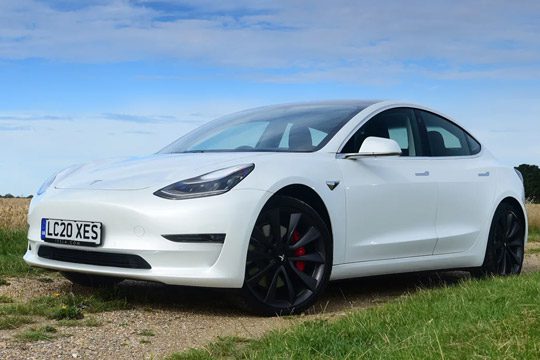
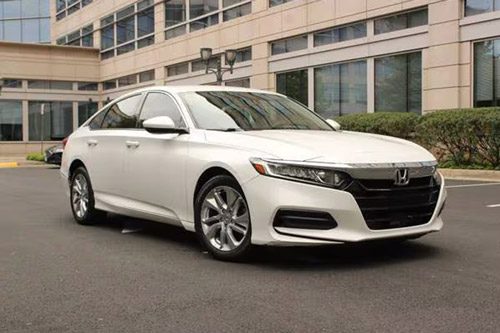
Brand and model are primary. In China, the myth of Japanese cars holding value is collapsing. The Tesla Model 3’s three-year resale rate (72%) now surpasses the Honda Accord (67%). In Germany, the SUV segment should grow at a 14.63% compound annual rate. This far exceeds other vehicle types.
Vehicle condition and maintenance records significantly impact value. A complete service history greatly boosts buyer confidence. This is especially true for selling Chinese cars for sale. Transparent vehicle information is increasingly valued there.
Mileage and age are equally crucial. Guazi Used Car data shows a fuel car’s first-year resale rate is about 66%. In contrast, new energy vehicle prices nearly halve after about two years. In the U.S., Black Book predicts that by 2026, three-year-old vehicles will retain 58.2% of their original MSRP.
Market demand and scarcity also sway vehicle value. In Germany, southern hubs like Baden-Württemberg and Bavaria support higher residual values. Better vehicle maintenance records there are the reason.
Different global markets have unique characteristics. Sellers must therefore adopt differentiated strategies. This is particularly true for Chinese cars for sale. Understanding the Chinese market’s distinct patterns is essential.
Timing the market is critical. In China, selling a fuel car within three years better locks in its residual value. For new energy vehicles, technology updates rapidly. Trading in within two years helps avoid rapid price drops. It also lets owners benefit from newer technology.
Regional mobility can create value. In China, cross-provincial circulation is now the norm. On some platforms, cross-city transactions make up nearly 90%. Organized dealers in Germany use the 8-12 week new car delivery delay. They transfer inventory from oversupplied areas to high-demand cities.
Policy sensitivity is also key. China’s 2026 trade-in subsidy adjustment led to “high inquiry volume but low transaction volume.” In the U.S., 2025 tariffs will likely impact consumers more noticeably in 2026. Higher MSRPs, option packaging, and destination charges will be the mechanisms.
Electric vehicles are becoming a highly polarized segment globally. Black Book forecasts a USD 1,500 to 2,500 decline in U.S. used EV prices for 2026.
In China, leading brands like BYD, Li Auto, NIO, and XPeng perform strongly in the used market. Lesser-known brands, however, become “hot potatoes.” In Germany, used EV resale activity is accelerating. Improved battery health transparency is driving this.
Market structures are adjusting too. In Germany, organized players held a 62.55% market share in 2025. In Japan, OEMs and franchised dealers are actively expanding their used car divisions.
The market for Chinese cars for sale faces multiple challenges. It must build a credibility system, streamline circulation channels, and improve supporting services.
In Stuttgart, Germany, low-emission zone restrictions have depreciated over 190,000 diesel vehicles. In the U.S., a wave of leased EVs will return to the market. This is projected to push used EV prices down by USD 1,500 to 2,500 in 2026.
On a car’s value scale, brand and model form the base score. Maintenance and condition are the bonus points. Market timing and regional mobility are the final extra-credit questions. They ultimately determine the final grade.

