
When should drivers use adaptive cruise control?
As electric vehicles (EVs) gain global popularity, the winter driving experience has become a key focus for consumers. For users living in cold regions, the impact of low temperatures on battery performance and charging speed is particularly crucial. Fortunately, automakers are addressing this challenge with innovative technologies. By 2026, multiple EV models are expected to feature advanced battery thermal management systems, significantly improving charging efficiency in low temperatures. This article details those EV models that maintain fast charging capabilities even in cold weather.
First, it’s important to understand why low temperatures reduce charging speed. The internal chemical reactions of lithium-ion batteries slow down in the cold, leading to limited charging power. Furthermore, to protect battery lifespan, the Battery Management System (BMS) typically restricts charging power. Therefore, advanced pre-conditioning technology becomes a critical solution. For instance, many 2026 models will be equipped with more efficient battery pre-heating systems that can actively raise the battery temperature to its optimal range while driving or before charging commences.
The following chart lists noteworthy models for 2026 based on released information. They stand out for their cold-weather charging performance, with specific data for clear comparison:
| Model | Estimated Starting Price (Market) | Key Cold-Weather Charging Technology | Charging Time (10%-80% SOC) | Notes for Low-Temp Environment |
| Nio ET9 | ~ $80,000 (China) ~ $85,000 (Europe) | Full-domain 900V High-Voltage Architecture, Dual-Mode Pulse Heating | ~ 15 minutes (with ultra-fast charger) | Battery pre-heat time is ~5 mins at -40°C; stable charging curve. |
| Tesla Cybertruck | ~ $79,990 (USA) | Intelligent Battery Pre-conditioning System, 800V Architecture | ~ 35 minutes (on 500kW V4 Supercharger) | Pre-conditioning saves an average of ~10 mins charging time. |
| Rivian R2 | ~ $45,000 (USA) | 4695 Large Cylindrical Cells, Optimized Battery Thermal Management | ~ 30 minutes (at room temperature, 10%-80%) | No dedicated low-temp charging data public yet; its thermal system is key for winter performance. |
| BMW iX5 Hydrogen | ~ $89,000 (Germany) | Hydrogen Fuel Cell, short refueling time | Refueling: 3-4 minutes (full hydrogen tanks) | Fuel Cell Vehicle (FCV); refueling speed is barely affected by low temperatures. |
| Hyundai IONIQ 7 | ~ $68,000 (Korea) ~ $70,000 (USA) | Upgraded E-GMP Platform, “Winter Mode” | To be announced | Claims over 50% reduction in low-temp charging time, but no specific data yet. |
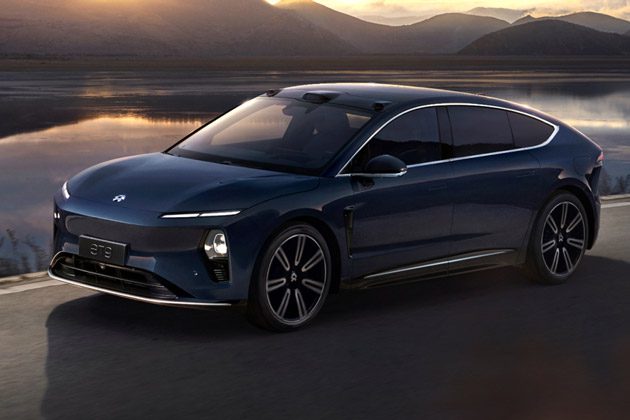
The core of its charging capability lies in the full-domain 900V high-voltage architecture and its proprietary dual-mode pulse heating technology. This technology actively and rapidly increases battery activity in low temperatures. Real-world tests show that at -20°C, charging from 20% to 90% using a 600kW third-party ultra-fast charger takes approximately 26 minutes and 37 seconds. In more extreme -40°C conditions, with the ultra-fast charging at a fourth-generation battery swap station, charging from 10% to 80% takes only about 15 minutes, demonstrating exceptional cold-weather adaptability. As Chinese cars for sale expand into the global market, this technology will benefit more consumers in cold regions.
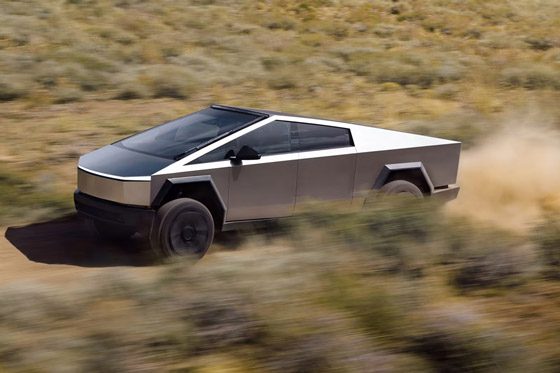
As an 800V architecture vehicle, the Cybertruck relies on a robust intelligent battery pre-conditioning system to optimize winter charging. This system can pre-heat the battery en route to a Supercharger based on navigation destination and real-time temperature. Tesla states that this feature, accounting for seasonal temperature variations, saves an average of about 10 minutes of Supercharging time. However, there is still room for optimization of the thermal efficiency of its 4680 cells in the cold, so reaching 80% charge on a 500kW V4 Supercharger still takes about 35 minutes.
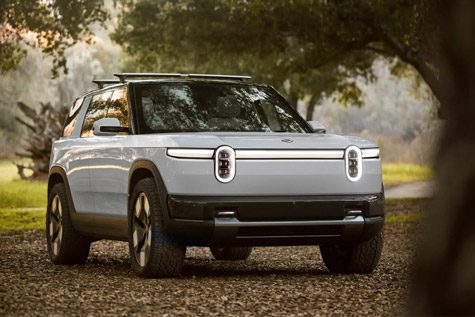
The Rivian R2 utilizes new 4695 large cylindrical battery cells, aiming to increase energy density and charging efficiency. Official information indicates that at room temperature, charging from 10% to 80% takes about 30 minutes. While dedicated low-temperature test data is currently lacking, the performance of its battery thermal management system will be key to determining its winter charging curve.
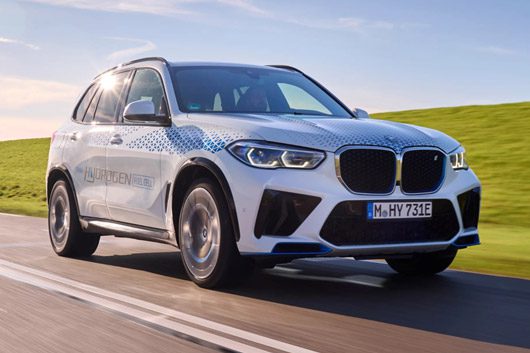
Please note, this is a Hydrogen Fuel Cell Vehicle (FCV), and its “refueling” logic is entirely different from that of a battery-electric vehicle. Its core advantage in severe cold is that refueling speed is almost unaffected by temperature, taking only 3 to 4 minutes to fill both hydrogen storage tanks, with minimal range degradation in low temperatures. This offers a rapid energy replenishment solution for frigid regions, distinct from battery charging.
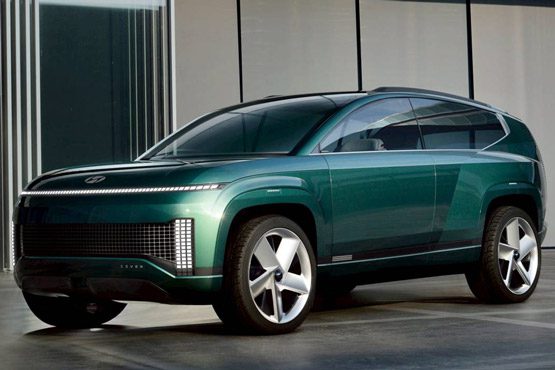
Hyundai claims its upgraded E-GMP platform and “Winter Mode” can reduce low-temperature charging time by over 50%, but as of early 2026, no specific charging time data has been released. Its real-world performance is worth watching.
The performance gains of these models are thanks to several technological breakthroughs:
It is worth noting that Chinese automakers have made significant investments in this R&D. For example, CATL’s “Shenxing Battery” claims fast charging capability even at -10°C. These technological advancements not only serve the domestic Chinese market but also benefit more consumers worldwide as Chinese cars for sale reach global markets like Europe, Australia, and Southeast Asia.
Regardless of your vehicle model, the following tips can help optimize your winter charging experience:
The EV market in 2026 is poised for a major leap forward in cold-weather performance. Through the synergistic optimization of advanced battery thermal management technology and charging infrastructure, winter charging speeds will improve markedly. Consumers globally, whether in Norway, Canada, or Hokkaido, Japan, will enjoy a more reliable winter driving experience.
When choosing a model, it is advisable to review official low-temperature charging data and refer to real-world test reports from local users. Simultaneously, as the network for Chinese cars for sale expands worldwide, more models equipped with advanced cold-weather technology will become available options in international markets, providing consumers with richer choices. Ultimately, by considering your personal driving environment and charging habits, you can find the perfect electric companion for your winter journeys.

