
When should drivers use adaptive cruise control?
When purchasing a car, most people focus only on the vehicle’s price itself. However, the true economic burden often lies hidden after the purchase. Globally, from first-tier cities in China to the countryside in the UK, car owners are facing a series of frequently overlooked hidden expenses.
Here are the basic hidden annual expenses for a typical family car priced around 100,000 RMB in China: Parking fees 6,000 RMB, insurance 3,000 RMB, and maintenance 1,400 RMB.
The cost of car ownership is not limited to the one-time payment at purchase. The composition of hidden costs varies across different countries and regions, forming a common global issue.
In the UK, the average annual cost of owning a car per household is close to £5,000 (approximately $6,000), a figure far exceeding that of other European countries. In China, car owners in first-tier cities also face high parking fees, with rates in commercial areas often reaching 15-20 RMB per hour, and daily caps of over 100 RMB being common.
Fuel costs in Germany are relatively low, with an average annual household expenditure of about £1,173, compared to £1,084 in France. Road tax is another expense with significant global variation. UK households pay an average of £175 annually, which is double that of Germany and Spain.
Notably, global car insurance premiums also show marked differences. The average annual car insurance cost for Italian families is as high as £558, while it is £340 in France and only around £250 in the UK. These cross-country comparisons reveal the significant impact of national policies and culture on car ownership costs.
Parking a vehicle is far more than just finding an empty spot. Especially in China’s first-tier cities, parking fees have become an unignorable and significant part of car ownership costs.
In cities like Beijing, Shanghai, Guangzhou, and Shenzhen, the monthly rent for a fixed parking space typically ranges from 800 to 1,500 RMB. If one chooses to purchase a property right parking space, its price is often equivalent to that of an entry-level sedan, representing a heavy sunk cost.
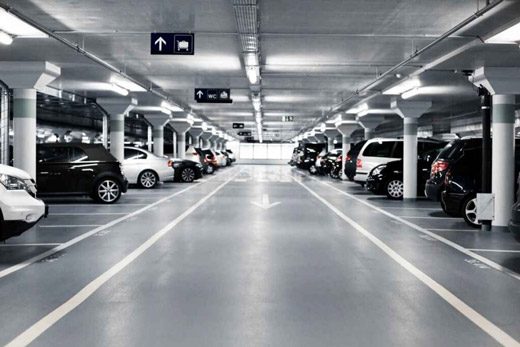
This high parking cost is not simply a result of market supply and demand. By the end of 2024, China’s national vehicle fleet had reached 346 million units, while the number of parking spaces was only 190 million, resulting in a vehicle-to-parking-space ratio of merely 1:0.5. This is far below the ideal standard of 1:1.1 to 1:1.5 recommended by the Ministry of Housing and Urban-Rural Development.
The deterrent effect of parking costs is quite significant. Research in Tianjin shows that excessively high parking fees directly reduce consumption willingness, with 62% of citizens choosing to reduce non-essential trips due to high parking costs.
Notably, even in some rural areas of China, parking has started to incur charges. A netizen from Guangdong mentioned, “Even villages are now fenced off to collect parking fees.” This widespread phenomenon highlights the importance of parking costs as a global hidden expense.
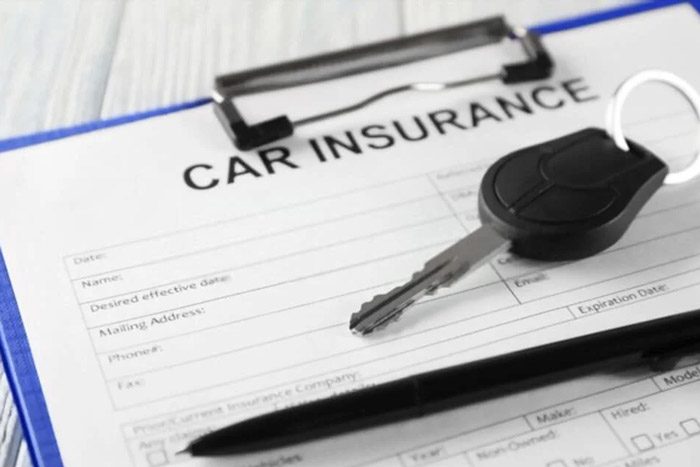
Car insurance and taxes are often seen as fixed expenses, but their volatility and complexity are frequently underestimated by owners. Changes in the 2026 insurance market particularly illustrate this.
A surface-level premium increase may not reflect a true price hike. In 2026, many accident-free owners saw their premiums rise by nearly 20%, but the core reason was the strict enforcement of the “compliance in reporting and implementation” policy by regulators, eliminating the “hidden discounts” previously offered through cash rebates, fuel cards, etc.
The logic behind insurance pricing has become more complex and diversified. Nowadays, insurance companies don’t just look at claim history; they also comprehensively consider factors like vehicle model, mileage, driving behavior, and location.
For instance, models with a high zero-to-whole ratio (like luxury cars and some new energy vehicles) might see premium increases even with a clean claims record. A certain new energy model, with a zero-to-whole ratio as high as 800%, saw its comprehensive car insurance premium directly increase by 15% in 2026.
Regional differences are also significantly affecting premiums. In 2025, the area with the highest national car insurance loss ratio in China reached 78%, while the lowest was only 52%. For the same car model, insurance in Shenzhen could be over 10% more expensive than in a third-tier city.
New insurance regulations also brought positive changes. For example, filing a claim under compulsory traffic insurance in a no-fault accident no longer affects the next year’s premium, completely eliminating owners’ worry about “premium hikes even when not at fault.”
Repairs and maintenance are the most unpredictable part of car ownership costs. As automotive technology becomes more complex, this hidden cost is quietly increasing worldwide.
According to data from the China Insurance Automotive Safety Index, all indices related to the zero-to-whole ratio for auto parts are rising, meaning the cost of repairing and replacing parts is getting higher. The 100 Index for the zero-to-whole ratio of fuel vehicles has reached 391.07%, and the 100 Index for maintenance burden has risen to 20.86.
The arrival of new energy vehicles has altered the repair economy. A minor scratch that might cost a few hundred RMB to fix on a fuel vehicle could lead to repair costs soaring to thousands of RMB on a new energy vehicle due to damaged radar or sensor units distributed across the body, or integrated body designs.
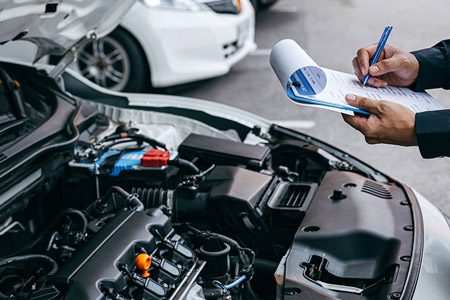
Price changes for commonly used and easily damaged parts are particularly noteworthy. As one of the most vulnerable external components, the average single-item zero-to-whole ratio for rearview mirror assemblies has increased by 4.82%, with the average price rising by 7.82%.
The average zero-to-whole ratio for vehicle exterior lights is as high as 10.35%, with the FAW Audi A3L soaring to 26.17%. This means replacing all exterior lights could cost over a quarter of the vehicle’s original price.
Repair costs for new energy vehicles are higher. Compared to fuel vehicles, the increase in their zero-to-whole ratio is more pronounced. The maintenance burden index increased by 0.55 from the 19th to the 20th period, a rise of 2.03%. Behind this lies the combination of multiple factors, including the immaturity of the new energy vehicle after-sales repair system and weaker bargaining power for core components.
A vehicle starts depreciating from the moment of purchase, but many owners do not fully realize the speed of this “invisible” value erosion.
According to data from the China Automobile Dealers Association, the ten-year comprehensive cost of ownership for an ordinary family car is close to 2.3 times the new car’s price. This means a 200,000 RMB mid-size car might only be worth 80,000 RMB after five years, depreciating by about 66 RMB per day.
Depreciation is particularly acute for new energy vehicles. Due to rapid iteration and smart features, new energy vehicles are taking on characteristics of fast-moving consumer goods among younger demographics, potentially being replaced every three to five years, which inherently limits their resale value retention.
Interestingly, a vehicle’s brand and model significantly impact its depreciation rate. Niche models typically depreciate faster, while mature models with high market share often have relatively higher resale value retention.
When you consider Chinese cars for sale, resale value retention becomes a crucial consideration. Purchasing models that comply with upcoming national legal standards, such as those meeting higher emission standards, usually maintains better second-hand value.
Fuel cost is one of the most direct expenses in car usage, but its volatility and complexity are often underestimated by owners.
In 2026, new fuel tax regulations were implemented in China. While the consumption tax on refined oil products maintained a unified national standard, road maintenance fees previously included within the fuel price were separated out, saving 0.1-0.2 RMB per liter in actual cost.
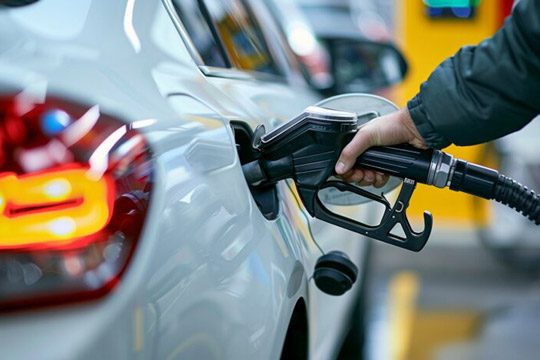
Taking a 1.5L family sedan as an example, filling up 4 tanks of fuel per month could save about 40 RMB monthly under the new rules, amounting to 480 RMB saved per year. For commercial vehicles like freight trucks, the savings are more significant – potentially 400 RMB per month, saving 4,800 RMB annually.
Adjustments to vehicle and vessel tax also brought changes. In 2026, China refined the fuel vehicle and vessel tax from the original 4 brackets to 7, with the core principle being “higher emissions pay more, lower emissions pay less, with exemptions for energy-saving vehicles.”
Notably, while the charging cost for new energy vehicles may seem low on the surface, adding service fees and parking fees can bring the actual cost close to that of fuel vehicles. For instance, some find that fully charging a 100 kWh battery could cost up to 200 RMB.
To more intuitively show the differences in global hidden car costs, the following table compares several key expenses across different countries or regions:
| Country/Region | Estimated Annual Parking Cost | Average Annual Insurance Cost | Road Tax/Year | Estimated Total Annual Hidden Cost |
| UK | ~£1,000 | £250 | £175 | Nearly £5,000 |
| China First-tier Cities | 6,000-18,000 RMB | 3,000 RMB | Based on displacement | Over 20,000 RMB |
| Germany | Medium level | ~£1,173 (incl. fuel) | ~£87.5 | Lower than UK level |
| France | Medium level | £340 | Lower than UK | £513 less than UK |
Note: The above data are estimates. Actual costs vary based on individual usage and regional policies.
This table clearly shows the significant differences in hidden car costs across countries. UK owners bear higher costs for road tax and insurance, while owners in China’s first-tier cities face higher parking costs.
Notably, these figures are only averages, and actual expenditures can vary greatly depending on the vehicle model, frequency of use, and personal driving habits. For example, in the Chinese cars for sale market, the structure of hidden costs for new energy vehicles differs significantly from that of fuel vehicles, especially regarding insurance and repairs.
Faced with these seemingly inevitable hidden costs, owners still have strategies to effectively reduce overall expenditure. Maintenance choices are one important area. Opting for more affordable chain quick-service shops instead of 4S dealerships can save about 300 RMB per maintenance session.
Insurance optimization can also lead to significant savings. Choosing the right combination of coverage based on your actual situation—opting for necessary third-party liability insurance instead of comprehensive coverage—can save about 2,000 RMB in annual insurance premiums.
Fueling timing is also worth attention. Paying close attention to gas station discount days can save about 150 RMB per month on fuel costs. For new energy vehicle owners, choosing periods and locations with lower charging costs is equally important.
Driving habits directly impact multiple costs. Safe driving not only reduces accident risk but also helps maintain insurance discounts. The 2026 new rules specify that owners with no claims or traffic violations for 3 consecutive years can get up to a 50% discount on their premium.
When you consider Chinese cars for sale, choosing a model with high resale value retention is crucial. Purchasing models that comply with upcoming national legal standards, such as those meeting higher emission standards, usually maintains better second-hand value.

