

How does altitude affect engine performance?
When you drive into mountainous areas at an altitude of over 2,000 meters, you may notice a sluggish throttle response and reduced climbing power. This is not a vehicle malfunction. Instead, it is a direct impact of altitude on engine performance. Understanding this principle can help you make more informed driving and purchasing decisions in different terrains.
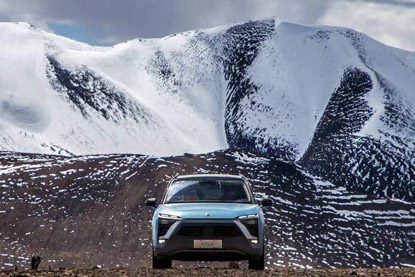
As altitude increases, air density continuously decreases. This means the engine draws in significantly fewer oxygen molecules during each intake stroke. Internal combustion engines rely on a mixture of oxygen and fuel to generate power. Insufficient oxygen directly leads to lower combustion efficiency.
Naturally aspirated engines are particularly sensitive to altitude. At sea level, an engine can deliver 100% of its power. At an altitude of 3,000 meters, air density drops by about 30%, and engine power typically decreases by 15% to 20%. Turbocharged engines, however, perform more robustly. The turbocharger compresses air, which partially compensates for the loss caused by thinner air. Therefore, turbocharged models often provide a more stable driving experience in high-altitude regions.
Today, electronic fuel injection systems and engine control units (ECUs) monitor intake air volume in real time and adjust fuel injection accordingly. However, this adjustment is limited to maintaining the air-fuel ratio. It cannot compensate for the overall lack of oxygen. Thus, even with the assistance of electronic systems, power loss remains.
Additionally, changes in altitude can affect the efficiency of turbochargers. When the compressor operates beyond its designed range, it may result in “turbo lag.” However, many modern turbocharged engines have been optimized for various air pressure ranges. This significantly improves performance in high-altitude conditions.
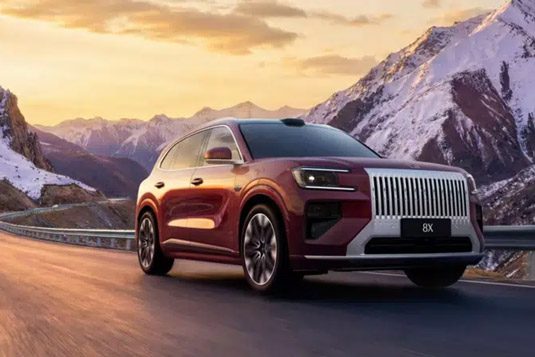
Beyond power loss, high altitudes bring the following changes:
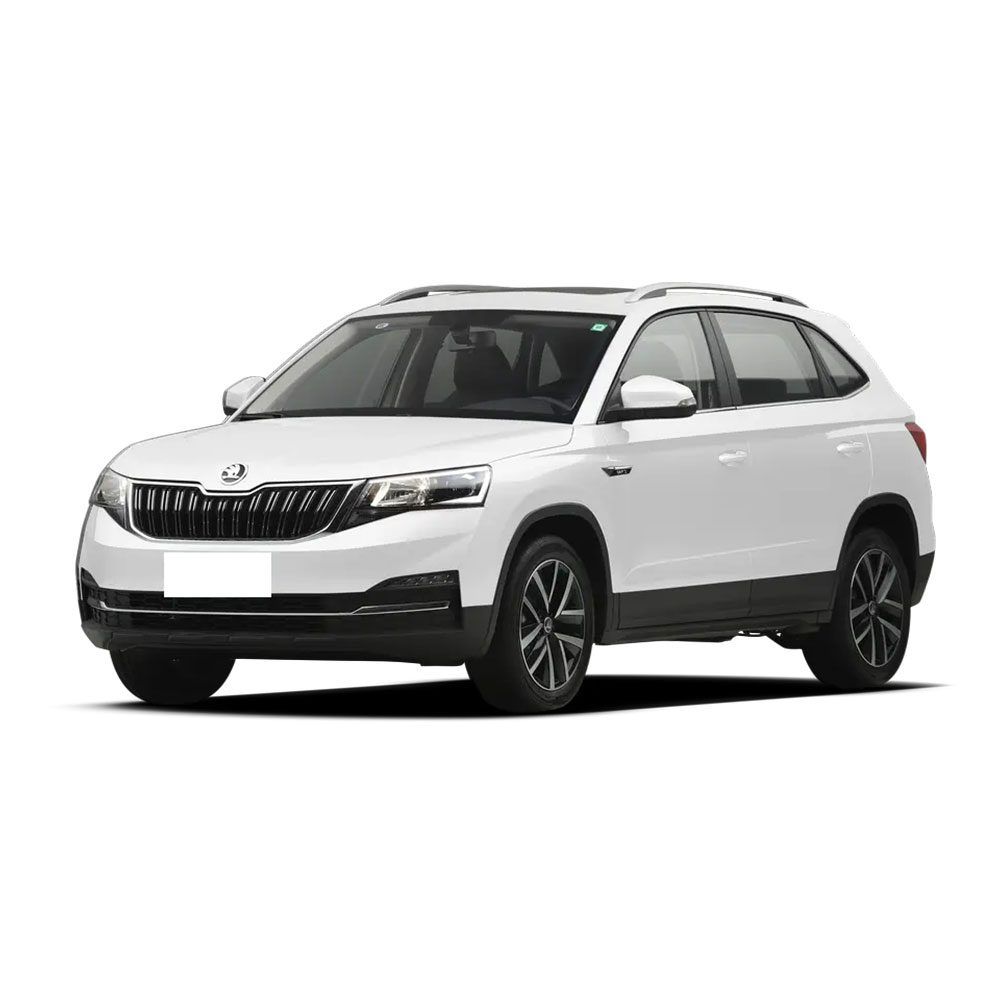
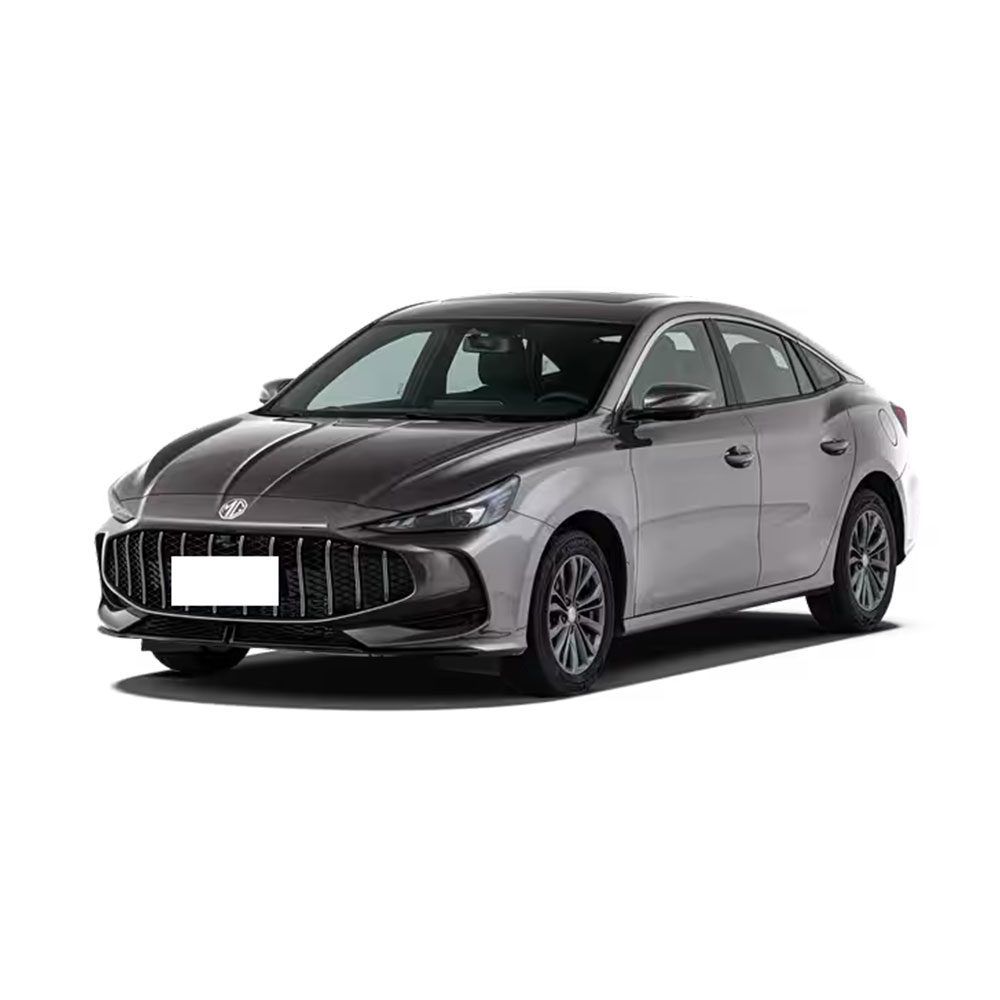
China has a vast territory. Elevations range from the eastern coastal plains to the western Qinghai-Tibet Plateau, where altitude differences exceed 4,000 meters. For this reason, the testing environment for chinese cars for sale is extremely rigorous. For instance, many Chinese brands conduct long-term durability tests in regions such as Qinghai and Tibet at altitudes above 4,500 meters. Through these tests, they accumulate extensive data on engine management system calibration.
Chinese automakers such as Great Wall, Geely, and BYD have continuously invested in turbocharging technology and engine thermal management. When chinese cars for sale are exported to Andean countries like Chile, Peru, and Bolivia, their high-altitude adaptability often outperforms that of competitors developed solely on the European plains or in the Midwestern United States. Local automotive media tests conducted in the Andean highlands have repeatedly confirmed this.
If you frequently drive in areas above 2,000 meters, consider the following suggestions:
If you need to adapt your existing vehicle for high-altitude use, some professional tuning shops in Denver, Colorado, offer high-altitude ECU tuning services. Prices typically range from $350 to $600, depending on the vehicle model and tuning complexity. These services optimize the air-fuel ratio and ignition timing to restore some low-end torque response.
Altitude directly affects engine power by reducing air density. Turbocharging technology can significantly mitigate this issue. When purchasing a vehicle or planning long-distance trips, understanding a vehicle’s high-altitude adaptability is essential. It is worth noting that the engine performance of chinese cars for sale in various high-altitude markets around the world has formed a distinct advantage. This advantage comes from the experience gained through testing in complex terrains. Whether you are near the Rocky Mountains, the Andes, or the Qinghai-Tibet Plateau, choosing a vehicle thoroughly validated for high-altitude conditions will make your journeys more worry-free.

