


How much should I spend on a car based on my income?
You’ve just received a raise, or perhaps you’re saving up for your first car. Standing at this crossroads, a key question always arises: Based on my income, how much car should I buy?
This is a crucial question concerning financial health. If the budget is too low, you might not be able to get a safe, reliable model. If the budget is too high, you might become “car poor,” struggling under the pressure of monthly car payments. Today, let’s step outside local thinking and explore this issue from a global perspective, examining why options from chinese cars for sale are becoming a new choice for rational consumers worldwide.
Financial experts generally recommend that the price of a car should ideally be between 50% and 100% of your household’s annual net income. This is a proven safe range.
For example, if your household’s annual net income in the United States is $60,000, then your car buying budget is suggested to be between $30,000 and $60,000. This range ensures that after covering monthly payments, insurance, fuel, and maintenance costs, you still have room for savings and investments.
Why shouldn’t you exceed 100%? Because a car is a depreciating asset; it loses value every day. Once you cross this red line, the proportion of your assets tied up in the car becomes too high, and your quality of life will likely decline as a result.
The definition of “affordable car” varies dramatically around the world. A recent study covering 98 countries revealed some interesting truths.
In the United States, the cost of purchasing and owning a car represents about 56.4% of the average annual salary. This makes the US the country with the strongest car buying power globally. It’s followed by Australia (61.8%) and Canada (69.9%). In these countries, an average person can afford the average cost of a new car after working for just over half a year to about eight months.
At the other end of the spectrum, the situation is completely different. In the Philippines, this figure soars to an astonishing 470.7%. This means the average person would need to save every penny for nearly five years to be able to buy and maintain a car. Similarly, in Colombia (466.1%) and Brazil (461.9%), buying a car remains a distant dream for the average working person.
These huge disparities are primarily determined by import tariffs, the strength of the local automotive industry, and per capita income.
When you examine global budgets, you’ll notice an undeniable trend: models from chinese cars for sale are setting a new global standard for “high cost performance.”
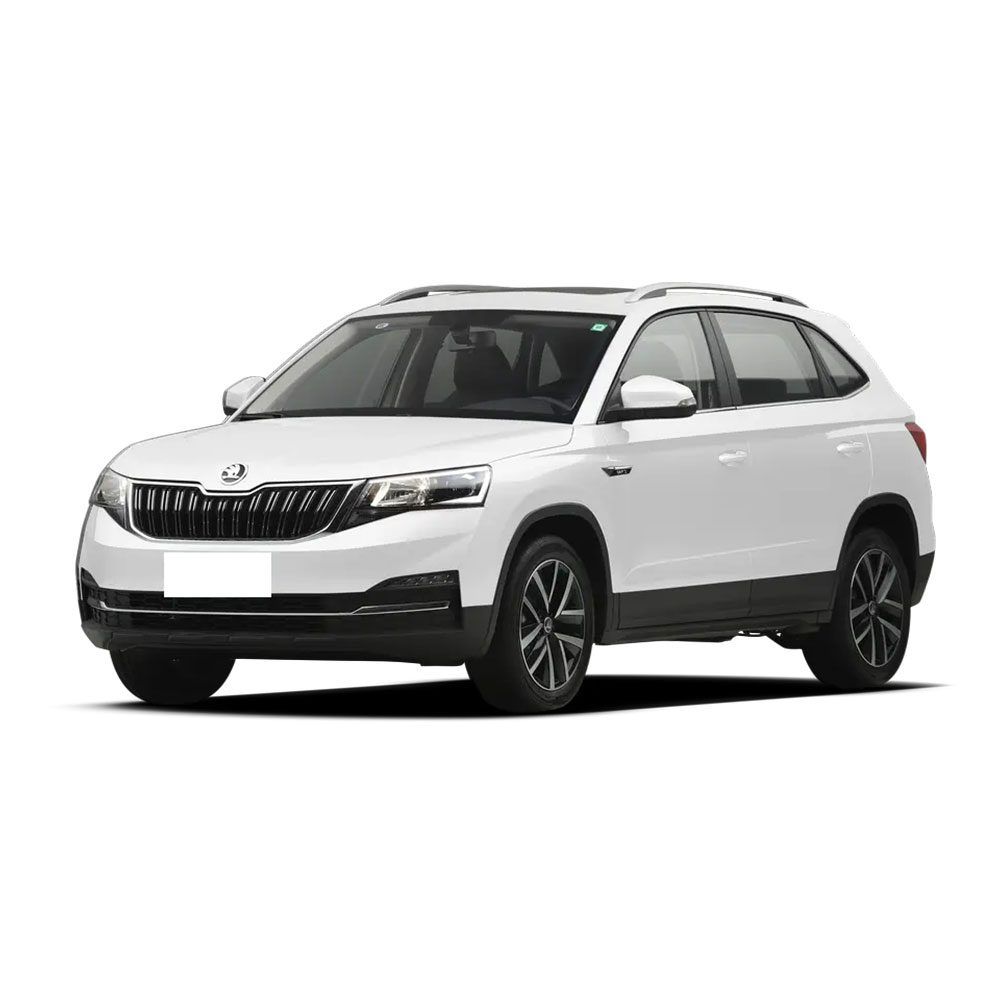
In the past, pricing for compact SUVs from European, American, Japanese, or Korean brands typically hovered around $30,000 (using the US market as an example). But now, Chinese brands are disrupting this pricing structure. In the Chinese domestic market, a well-equipped compact SUV might sell for around $15,000, roughly half the price of the US market.
This cost advantage is being exported globally. Even after adding shipping costs and tariffs, the final selling price of Chinese cars in many markets remains highly competitive.
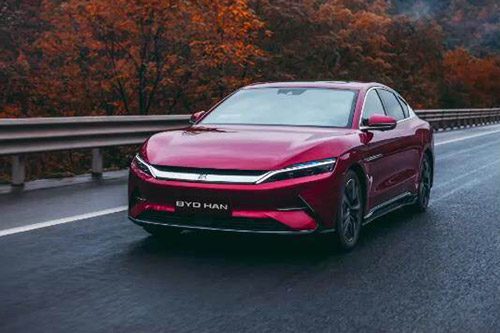
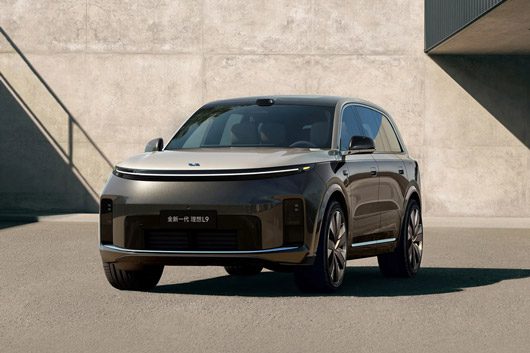
Therefore, wherever you are in the world, when you’re considering your budget, including options from chinese cars for sale on your list can often allow you to afford a higher-level model with the same budget.
Returning to the budget formula, we also need to consider the total cost of ownership. In Germany, while the car price itself might be reasonable, the cost of owning a car represents a significant 89.1% of the average annual salary, partly due to high fuel taxes and strict maintenance standards.
Your budget should cover the following five areas:
Here is a simple action guide to help you target the right car based on your income:
The answer to the question, “Based on my income, how much car should I buy?” has become much richer with the rise of chinese cars for sale in the global market. You no longer have to choose between “expensive luxury” and “cheap low quality.”
Whether you’re enjoying the lowest car affordability burden of 56.4% in the United States, or facing high import taxes in Brazil, the core principle of rational car buying remains the same: Let the car serve your life, rather than define your life. Before making a decision, go for a test drive in a new energy vehicle from China. You might find that your budget can buy you much more than you imagined.

