


What is tire rotation and why is it important?
In 2026, built-in navigation systems have become a standard feature in most vehicles, offering drivers turn-by-turn directions, traffic updates, and route planning. From compact sedans to luxury SUVs, these systems aim to make driving easier and safer. But how reliable are they really, and what should buyers know when considering a car equipped with one?
For those exploring options in the global market, including Chinese cars for sale, understanding the strengths and limitations of built-in navigation is essential before making a purchase.
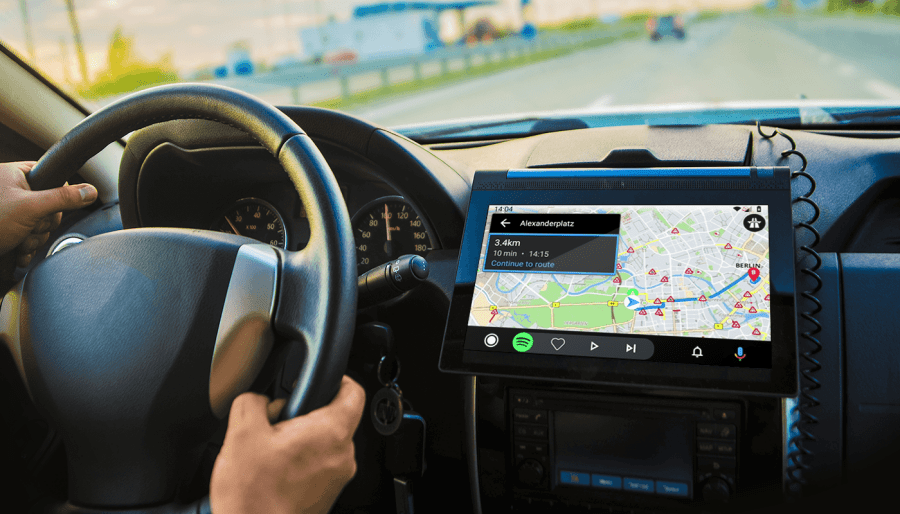
Navigation systems have come a long way since their introduction in the early 2000s. Modern systems in 2026 offer:
Real-time traffic updates based on GPS and data networks
Voice-guided directions to minimize distractions
Points of interest (POI) databases for gas stations, restaurants, and attractions
Integration with vehicle controls for lane guidance, speed alerts, and fuel efficiency tips
These features make built-in systems more reliable than ever, especially compared to early-generation GPS units.
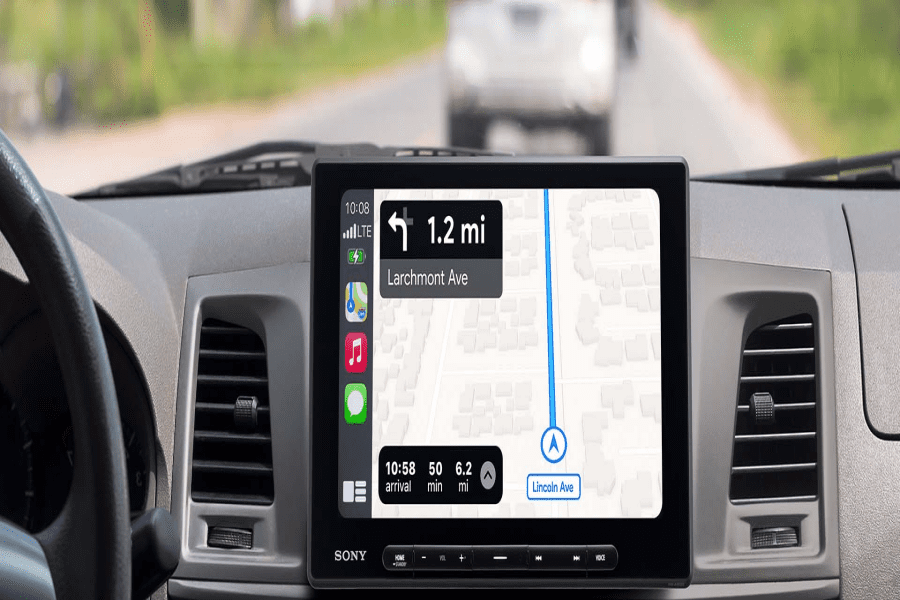
Built-in systems are directly connected to the vehicle’s hardware, offering smooth interaction with the dashboard, touchscreen, and controls. Features like steering-wheel buttons or heads-up displays make it safer to operate while driving.
Unlike smartphone apps, many built-in systems can operate offline, meaning you can navigate remote areas without cellular coverage—ideal for road trips or rural driving.
Built-in navigation can integrate with vehicle sensors and fuel data, offering optimized routes based on speed limits, traffic congestion, and estimated fuel consumption.
While modern systems are highly advanced, they are not perfect:
Map updates can lag: Some systems require manual updates or paid subscriptions.
Limited POI data: Smaller brands may not have as extensive a points-of-interest database as global apps like Google Maps.
Learning curve: Some systems have complex menus that take time to master.
Connectivity issues: Real-time traffic updates depend on stable network connections.
These factors mean that while built-in navigation is reliable, drivers should remain aware of potential gaps.
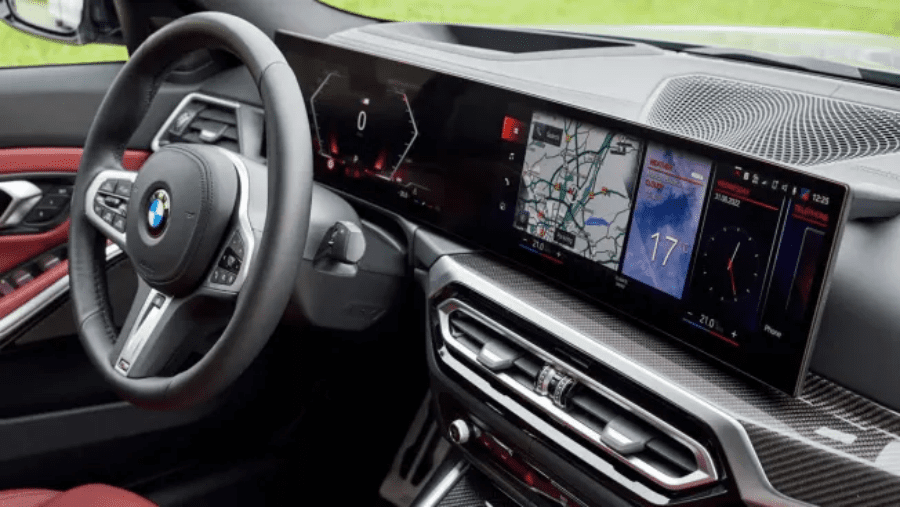
In 2026, Chinese cars for sale have made remarkable progress in technology, including built-in navigation systems. Manufacturers such as BYD, NIO, MG, and Geely now offer systems with features comparable to international brands:
Large touchscreens with responsive interfaces
Offline navigation support for rural or less-covered areas
Voice recognition in multiple languages
Frequent software updates over-the-air (OTA)
Many Chinese vehicles now feature AI-assisted route planning, which predicts traffic and recommends alternative routes proactively. Users report that modern Chinese navigation systems are generally reliable for daily commuting, long-distance trips, and urban driving alike.
Keep the system updated: Regular map updates ensure accurate routing and POI information.
Check connectivity: Ensure your vehicle has active data plans or offline maps for remote areas.
Understand system features: Learn voice commands, lane guidance alerts, and integration with vehicle sensors.
Supplement with a smartphone: For unfamiliar areas, combining built-in navigation with a mobile app can provide extra confidence.
While smartphones offer convenience, built-in systems have unique advantages:
| Feature | Built-In Navigation | Smartphone Navigation |
| Integration with vehicle controls | ✅ | ❌ |
| Offline operation | ✅ | Limited (requires pre-download) |
| Stability and minimal distractions | ✅ | Depends on mounting |
| OTA updates | Varies by car brand | ✅ (automatic) |
| AI route prediction | Increasingly common | ✅ |
For drivers in 2026, built-in systems complement smartphones rather than replace them, providing safer, more integrated navigation.
With the rise of Chinese cars for sale, buyers now have access to advanced navigation systems in mid-range and affordable vehicles. Features like over-the-air updates, AI route prediction, and multi-language voice support make these systems surprisingly reliable.
Whether you’re buying a compact sedan, crossover, or electric vehicle, the built-in navigation in many modern Chinese cars can compete with international brands while offering excellent value for money.
Built-in navigation systems in 2026 are more reliable than ever, offering seamless integration, offline functionality, and advanced route planning. While no system is perfect, especially when it comes to map updates or connectivity, they are highly practical for daily driving, road trips, and commuting.For buyers exploring Chinese cars for sale, modern vehicles now feature navigation systems that rival those of luxury brands, making them a dependable choice for both city driving and long-distance trips. By keeping the system updated and understanding its capabilities, drivers can confidently rely on built-in navigation as a key tool on the road.

