
When should drivers use adaptive cruise control?
Buying a used car from a private seller can be a smart way to save money, but it also comes with risks—especially when it comes to flood-damaged vehicles. Flood cars often look fine on the surface, yet they can hide serious electrical, mechanical, and safety issues that may surface months later. Knowing the right questions to ask a private seller can help you avoid costly mistakes and protect your investment.
This guide outlines essential questions, warning signs, and best practices to ensure the used car you’re considering hasn’t been in a flood.
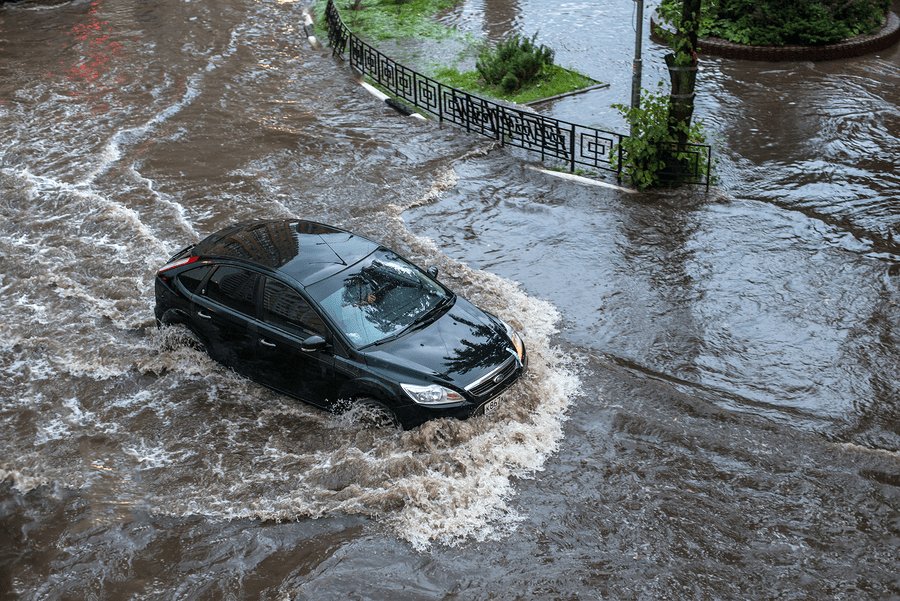
Flood damage is one of the most dangerous forms of vehicle damage because it affects multiple systems at once. Water intrusion can damage:
In many cases, flood-damaged cars are cleaned and resold without proper disclosure—especially in private sales where consumer protections are limited.
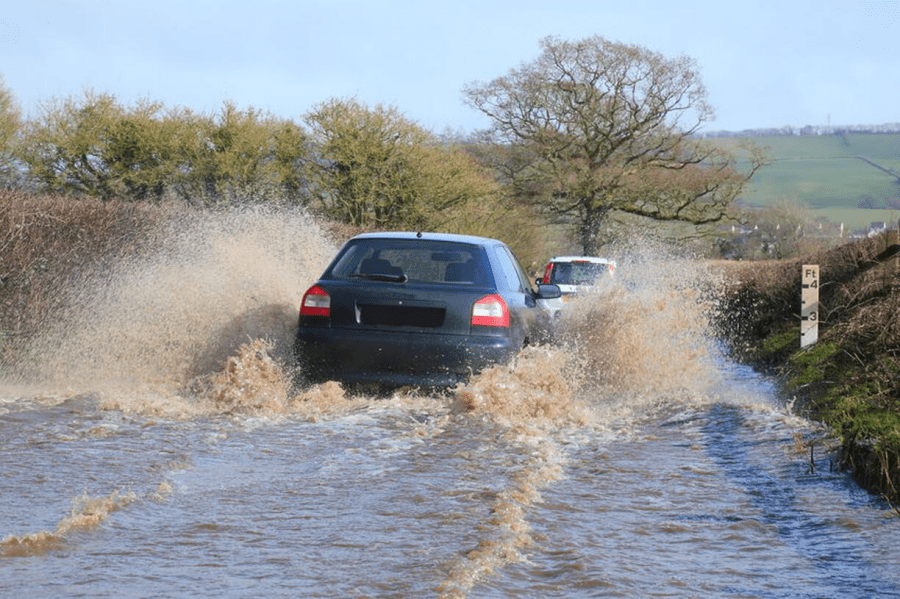
This may seem obvious, but always ask directly. A trustworthy seller should give a clear, confident answer. Vague responses like “not that I know of” or “it drives fine” can be red flags.
Tip: Ask the question more than once in different ways to check for consistency.
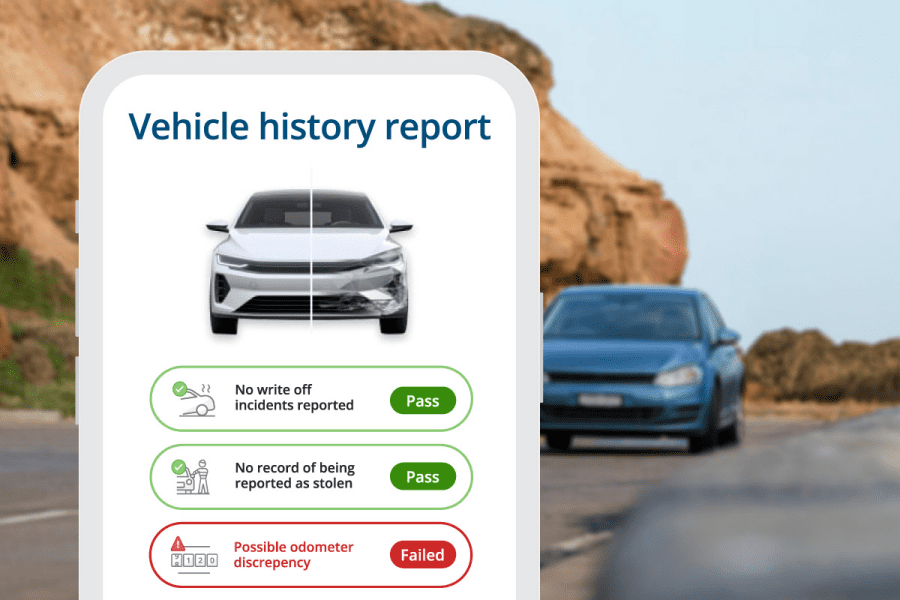
Request reports from services such as Carfax or AutoCheck. While not all flood incidents are recorded, these reports can reveal:
If the seller refuses to provide or allow you to obtain a report, proceed with caution.
Location matters. Cars from flood-prone regions—coastal areas, hurricane zones, or places with frequent heavy rainfall—carry higher risk.
Follow-up questions to ask:
This question can reveal important context. Honest reasons like upgrading or downsizing are normal. Be cautious if the seller provides evasive or inconsistent explanations, especially if the sale seems rushed.
Flood damage often affects electronics first. Ask specifically about:
Multiple electrical repairs may indicate prior water exposure.
Even with the right answers, always inspect the vehicle carefully. Look for these common indicators of flood damage:
If possible, lift floor mats and check underneath—this is where water damage often hides.
Before finalizing any private sale, have the car inspected by a trusted mechanic. A professional inspection can identify:
This step is especially important if the price seems unusually low for the vehicle’s age and condition.
Always examine the title carefully. Watch for:
In some cases, flood-damaged cars are “washed” through multiple jurisdictions to remove branding—a practice known as title washing.
With the global used car market expanding, buyers increasingly encounter chinese cars for sale, both new and used. While many Chinese vehicles offer excellent value and modern features, the same flood-damage precautions apply—especially for imported used units.
When considering Chinese cars for sale from private sellers or importers:
Due diligence is essential, regardless of brand or country of origin.

