



Is It Better to Buy a Car at Month-End or Year-End?
Knowing how to safely change a tire is a crucial skill when facing a puncture or flat. Whether you’re driving on an American highway, a German country road, or the Australian Outback, following the correct procedure ensures your safety and that of others. This guide provides a clear and safe operational process.
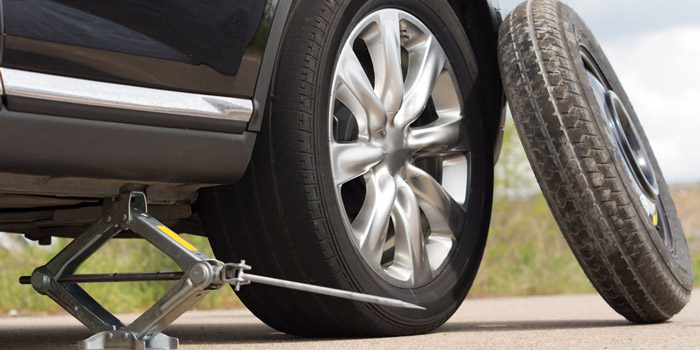
First, stay calm as soon as you notice a tire issue. Then, turn on your hazard warning lights and slowly steer your vehicle away from traffic, coming to a stop on a flat, solid surface. For example, a firm roadside shoulder or a parking lot is ideal. Next, firmly engage the parking brake and put the transmission in “Park” (P) or reverse gear. Remember, never attempt this on a slope, curve, or soft ground.
Afterward, exit the vehicle immediately and place a warning triangle. In most European countries and the USA, it’s recommended to place it at least 50 meters behind your vehicle on regular roads, extending to 150 meters on highways. This step is vital for alerting approaching traffic.
Before starting any work, retrieve your vehicle’s tool kit. Typically, this includes a jack, a lug wrench, and the spare tire. Furthermore, many modern cars come with a detailed owner’s manual that specifies the vehicle’s unique jacking points, which you should quickly consult. A practical global tip is to regularly check your spare tire’s air pressure, as it can slowly deflate even when not in use.
Now, before jacking up the vehicle, you need to loosen the wheel’s lug nuts. Using the lug wrench, turn each one counterclockwise to break its initial tightness. Often, you’ll need to use your foot or full body weight. The key point is to only loosen each nut about one turn at this stage—do not remove them completely. This is because if the wheel is in the air, it will spin freely, making it impossible to apply sufficient force.
Next, locate your vehicle’s designated jacking points on the chassis. These are usually reinforced metal notches or pads located behind the front wheels or ahead of the rear wheels, often near the door sills. Using an incorrect point, such as the fuel tank or plastic trim, can cause serious damage or allow the car to slip. Then, position the jack squarely under the jacking point, ensuring its base is fully in contact with solid ground.
After that, operate the jack smoothly to slowly raise the tire off the ground. Note that you only need to lift it about 2-3 centimeters; lifting it higher increases instability.
At this point, you can fully unscrew and remove all the lug nuts and take off the flat tire. If it’s stuck, a gentle kick to the tire’s sidewall can help free it. Then, align the spare tire with the wheel studs and lift it into place with both hands. Next, screw on all the lug nuts by hand, turning them clockwise until they are finger-tight.
Immediately after, reverse the jack to slowly lower the vehicle back to the ground, letting the spare tire bear the weight. This is the most critical step: using the lug wrench, tighten the nuts in a diagonal or star pattern. Do this gradually over several passes, applying firm, full force to each nut. Ensure they are as tight as possible, as a loose wheel is extremely dangerous while driving.
Once finished, stow all tools, the flat tire, and the warning triangle. Finally, remember that most spare tires—especially temporary spare (donut) tires—are for temporary use only. For instance, in markets like the USA and Japan, such spares typically have a speed limit of 80 km/h (50 mph), and you should visit a professional repair shop promptly to fix the original tire or get a standard replacement.
Mastering this skill not only enhances your driving safety but is also part of routine vehicle maintenance. Regardless of your car’s brand, regular tire checks—including pressure and tread wear—significantly reduce risks. It’s worth noting that with the evolution of the global auto market, for example in regions with vibrant Chinese cars for sale, many new and used vehicles sold domestically or for export come fully equipped with these essential tools and a spare tire. Therefore, when considering purchasing a used or new car from any global market, including exploring options among Chinese cars for sale, personally inspecting the condition of the spare tire and tools is a wise buying habit.
Safe driving begins with a prepared journey. Take the time to learn and practice these steps, and you’ll be able to confidently handle future surprises on the road.

