



How to Spot Warning Signs in Your Car Early?
Have you ever suddenly heard a strange noise from the engine while driving on the highway? Or seen an icon on your dashboard that you’ve never encountered before?
Don’t worry. Most car troubles don’t happen without warning. They send out signals in advance. The key is whether you can interpret these signals in time.
Detecting your car’s warning signs early not only ensures your safety but also saves you a significant amount on repair costs. Today, let’s take a global perspective and help you become a more vigilant car owner.
First, develop a habit. Take a few seconds to glance at your dashboard every time you start the engine.
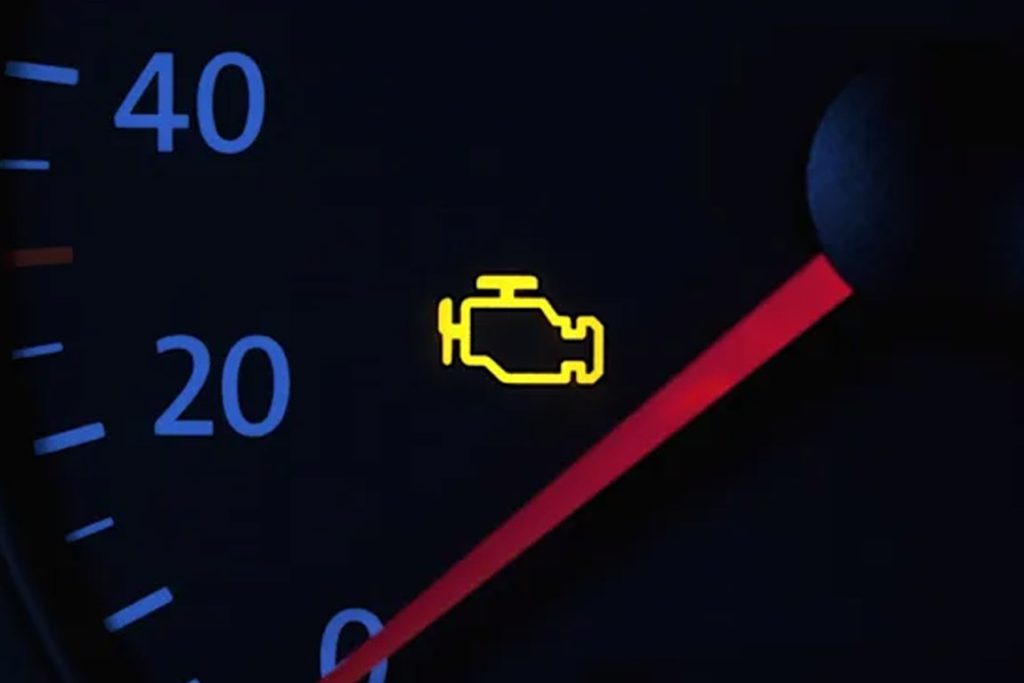
When this lights up, it indicates a problem with the vehicle’s emissions, ignition, or fuel system.
If it’s flashing, pull over immediately. This indicates a severe misfire that could damage the catalytic converter. If it’s steadily lit, schedule a repair as soon as possible.
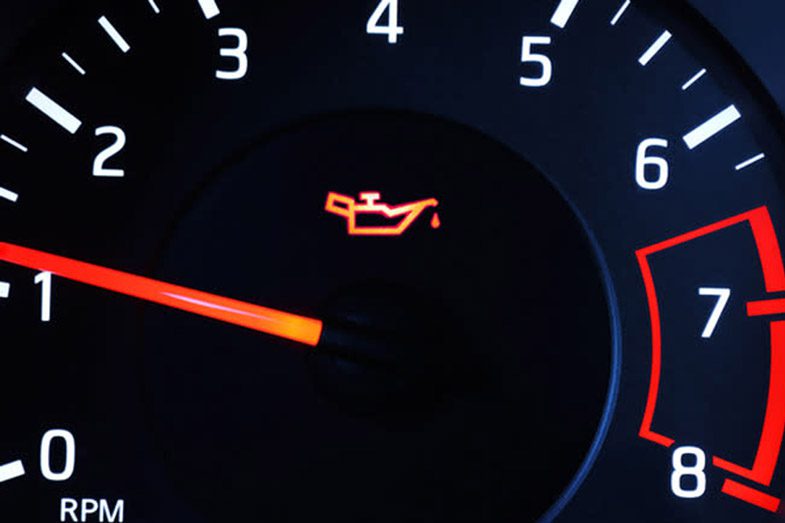
This light, typically a red oil can icon, means the oil pressure inside the engine is too low.
Risk: Continuing to drive can ruin the engine within minutes.
Action: Pull over safely and turn off the engine immediately. Check the oil dipstick. If the oil level is normal but the light remains on, you’ll need to call a tow truck.
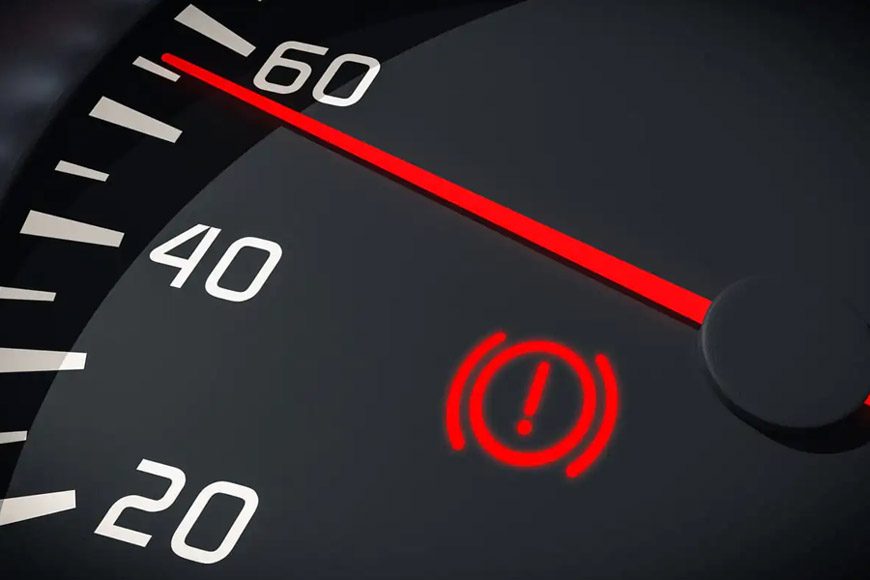
When you see an icon with a circle inside parentheses (with an “!” in the middle), stay alert.
Possible causes: The parking brake is engaged, the brake fluid level is low, or there’s a fault in the brake system.
If you’re used to listening to music while driving, occasionally turn it off and listen to your car’s sounds.
If you hear this when applying the brakes, it’s typically the wear indicator on your brake pads.
Solution: The brake pads have worn down to their limit. In the U.S. market, replacing a set of front brake pads (including labor) typically costs between $150 and $300. Waiting until the metal backing grinds into the rotors will double the repair cost.
This sounds like someone gently tapping metal with a hammer.
Severity: This is often a sign of engine “knocking” or worn connecting rods.
Advice: Immediately check if the oil is sufficient or degraded. Prolonged neglect can lead to complete engine failure.
A rhythmic humming sound coming from the wheels while the vehicle is moving.
Causes: Uneven tire wear or a damaged wheel bearing.
Reminder: Tires are crucial for safety. Regularly check your tire tread depth; don’t wait for a blowout to take action.
Cars also communicate through “feel” and “smell.”
If you feel the steering wheel shaking at high speeds, especially when braking.
Diagnosis: This could be due to warped brake rotors or unbalanced wheels.
Trend: With the increasing weight of global electric vehicles, the load on braking systems and suspensions is greater. Nowadays, whether it’s Japanese brands or chinese cars for sale as electric models, there is a greater emphasis on regular suspension system calibration.
Smell a strong odor of burning plastic or oil?
Emergency action: A burning smell often means oil is leaking onto the exhaust pipe, or the clutch/brake pads are overheating.
Action: Pull over safely and turn off the engine. If you see smoke coming from under the hood, move away from the vehicle immediately and call emergency services.
If there’s a strange sweet smell inside the car, accompanied by easily fogged-up windshields.
Issue: This usually indicates a leak in the heater core, allowing coolant to enter the cabin.
Health risk: Coolant is toxic and requires immediate repair.
Sometimes, there’s no specific warning light, but you feel the “car isn’t driving right.”
Lack of acceleration: A sluggish response when pressing the gas pedal could be a clogged fuel filter or a failing turbocharger.
Harsh shifting: Abrupt jerks when the automatic transmission shifts gears. Transmission repairs are extremely expensive. In Canada, a major transmission overhaul typically costs between $2,000 and $4,000. Regularly changing the transmission fluid can significantly extend its lifespan.
Excessive body roll: Feeling insufficient support when cornering, or excessive bouncing over speed bumps. This is a sign of worn-out shock absorbers.
Don’t wait for problems to arise before visiting a repair shop. Preventive maintenance is key to avoiding hefty bills.
Globally, the automotive manufacturing industry is undergoing massive changes. More and more chinese cars for sale are reaching every corner of the world, from Southeast Asia to Europe. These new models often come equipped with advanced digital dashboards and intelligent diagnostic systems.
But no matter how technology advances, the laws of physics remain unchanged. Whether you’re driving an American pickup truck made in Mexico or an electric vehicle that is among the chinese cars for sale manufactured in Shanghai, tires, brakes, and oil remain the core mechanical components requiring your attention.
The warning signs your car gives are its way of asking for help. Don’t put tape over the dashboard warning lights, and don’t turn up the radio to drown out unusual noises.
By detecting these signs early, you might only spend $50 to $200 (based on standard labor costs for routine inspections in Southeast Asia) for a comprehensive check-up. But if you ignore them, you could face an engine or transmission overhaul costing over $1,000.
The next time you sit in the driver’s seat, pay a little more attention. Look, listen, and feel. Your car will tell you what it needs. Drive safely, starting with understanding these signals.

