
Is It Better to Buy a Car at Month-End or Year-End?
As the world’s largest automotive market, China hosts an extensive production network of Japanese car brands through joint ventures. In fact, almost all major Japanese automakers have established local factories in China, manufacturing everything from economy sedans to luxury SUVs. These Japanese cars for sale in China reflect a strategic blend of global expertise and local adaptation.
In recent years, as the Chinese automotive industry rapidly shifts toward electric vehicles, Japanese manufacturers are adjusting their production strategies. This includes phasing out some fossil-fuel plants and building new dedicated EV facilities to stay competitive amid the rise of domestic Chinese cars.
Japanese automakers entered the Chinese market primarily by partnering with large state-owned car brands. This joint-venture model allowed Japanese companies to leverage local partners’ distribution channels and policy support while contributing technology and global vision.
Toyota
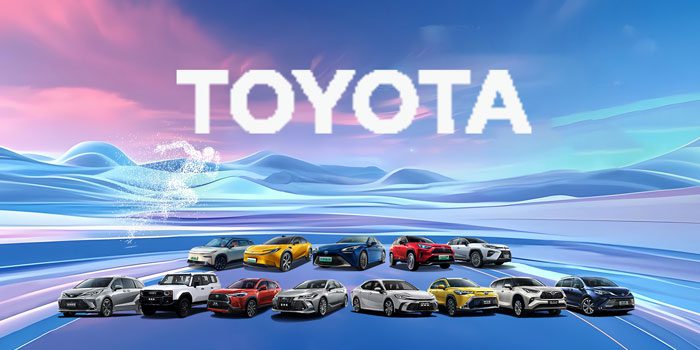
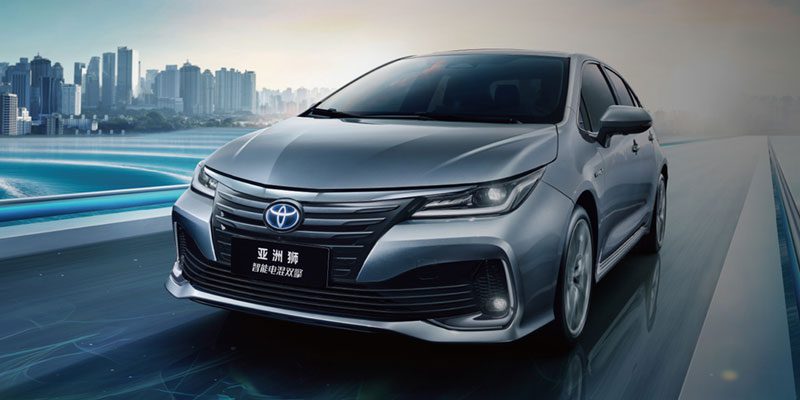
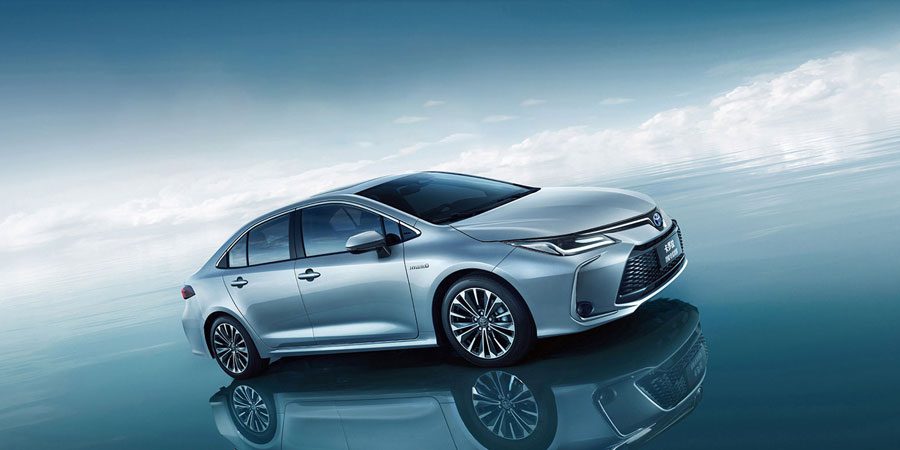
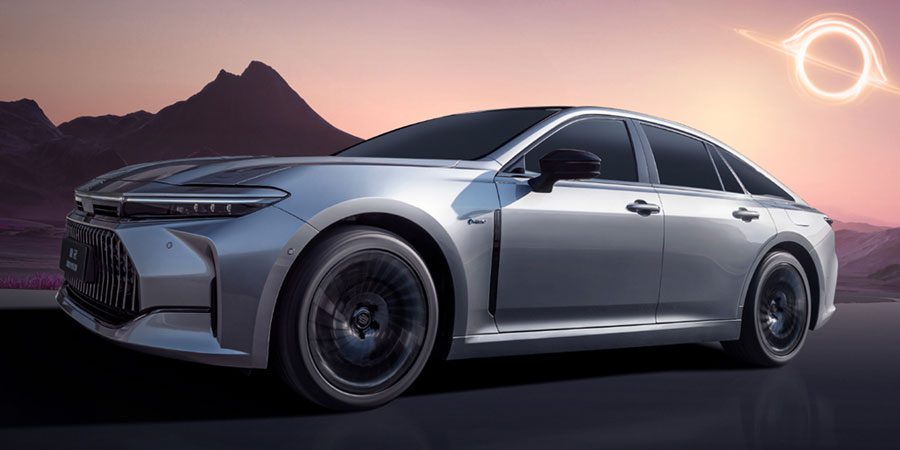
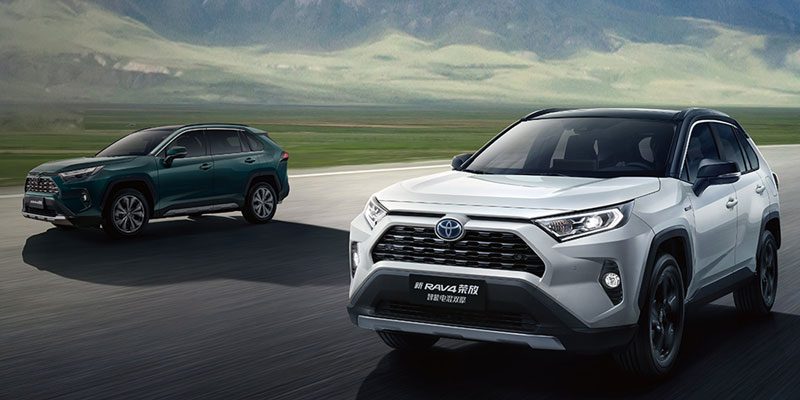
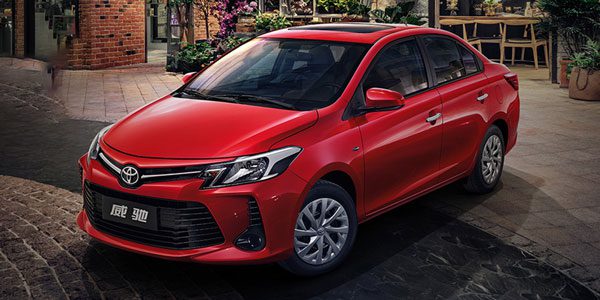
As one of the world’s largest automakers, Toyota partnered with FAW and GAC to form FAW Toyota and GAC Toyota. These ventures operate multiple production bases across Tianjin, Changchun, Chengdu, and Guangzhou.
Notably, Toyota plans to open its first wholly owned EV plant in Shanghai to produce electric Lexus models. This move highlights its strategic shift amid China’s relaxed foreign investment policies.
Honda
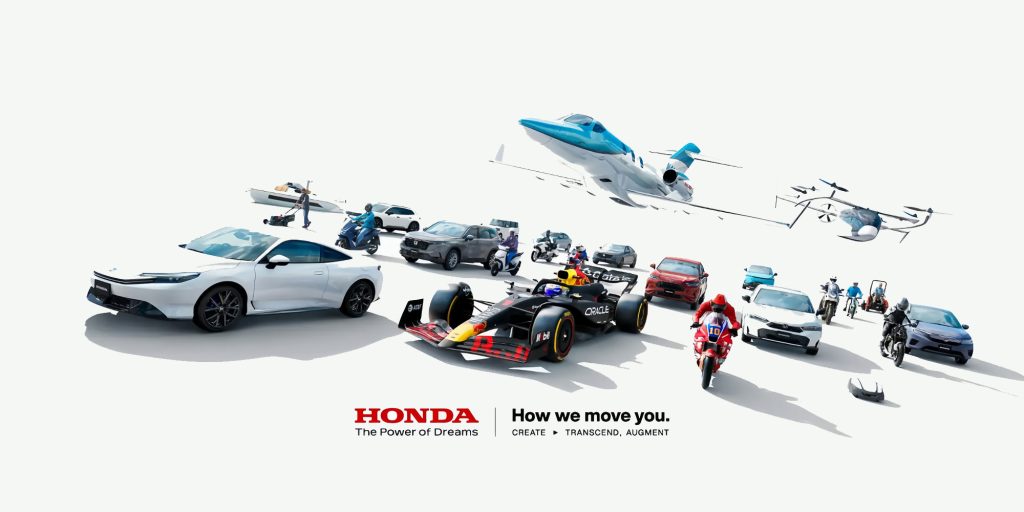
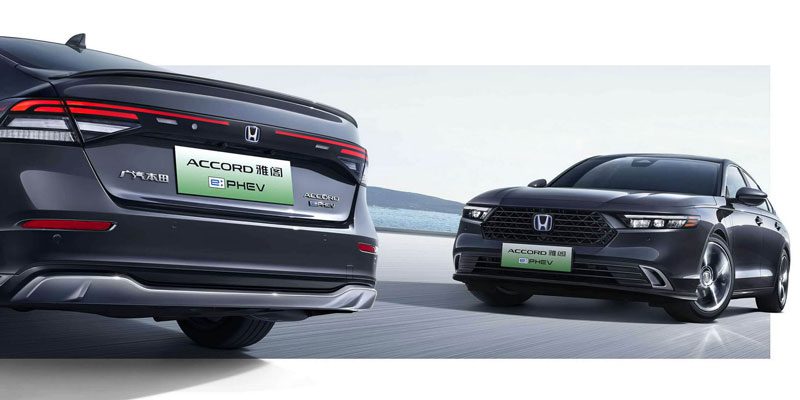
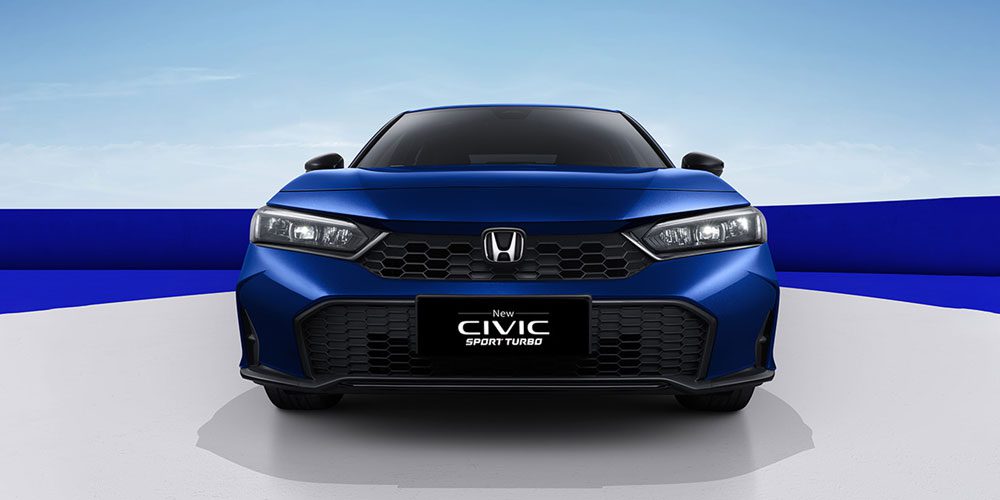
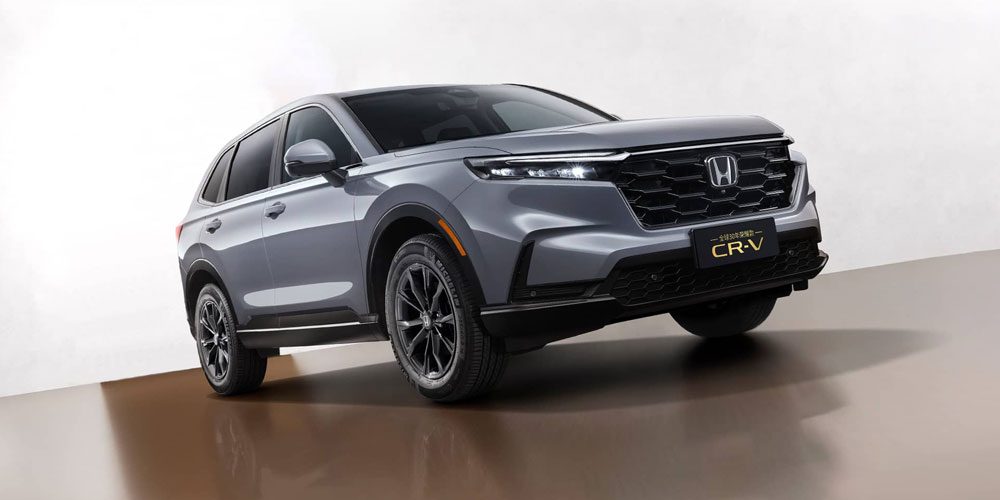
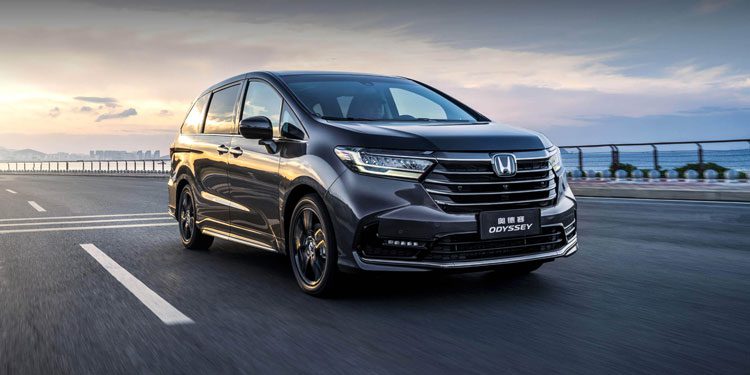
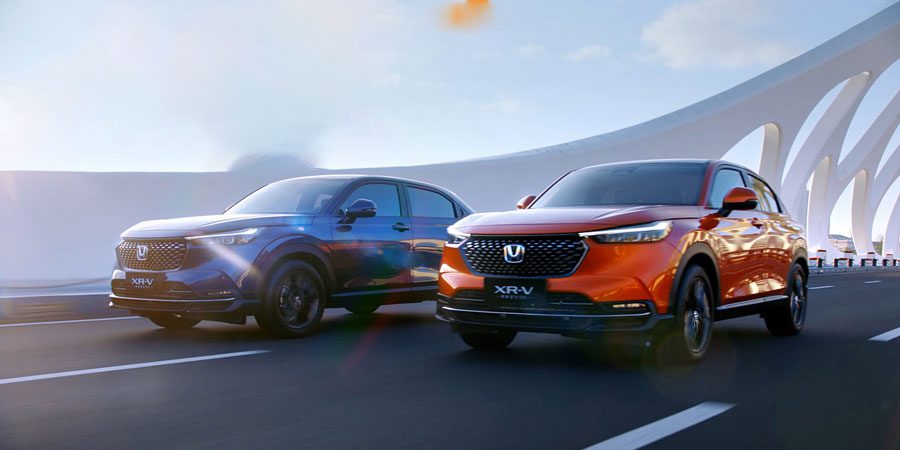
Honda also adopted a dual-partner strategy, collaborating with GAC and Dongfeng to establish GAC Honda and Dongfeng Honda. Their production bases are located in Guangzhou and Wuhan.
In October 2024, Honda launched its first dedicated EV plant in Wuhan, with an annual capacity of 120,000 units. It will produce models like the Lingxi L and Ye series, marking a major transition from fuel-dependent to electric-focused Japanese cars for sale in China.
Nissan
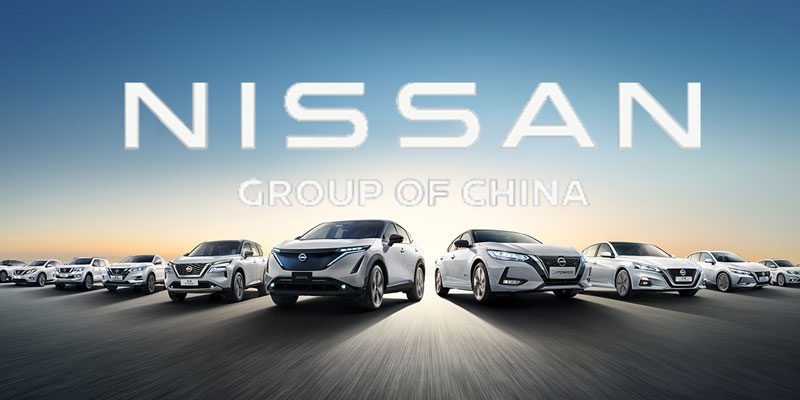
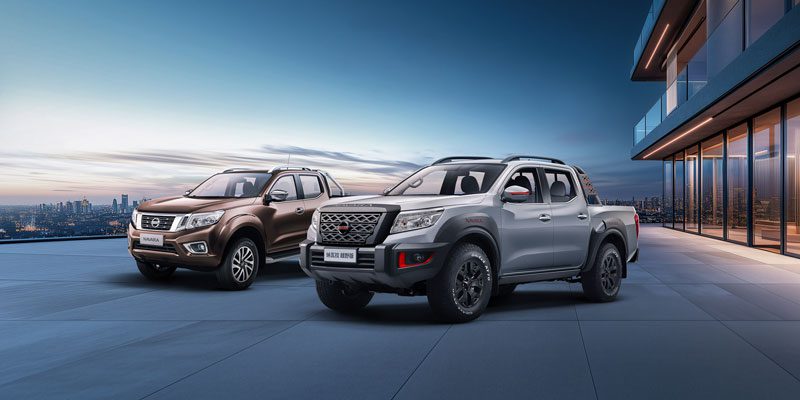
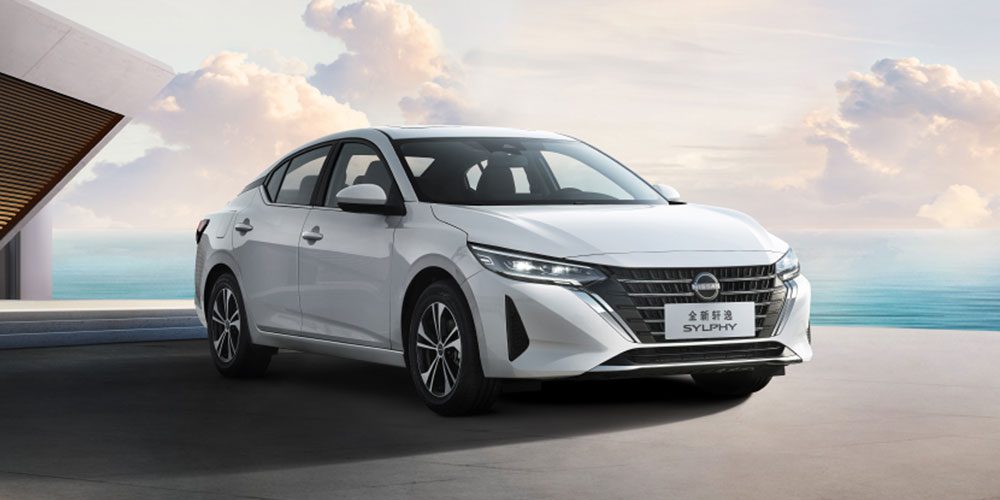
Nissan’s joint venture with Dongfeng, Dongfeng Nissan, is one of the key players in the Chinese market. It operates four major production bases in Huadu, Xiangyang, Zhengzhou, and Dalian.
To adapt to market changes, Nissan has begun producing EVs at its Wuhan plant and closed some fuel-vehicle factories to optimize capacity.
Toyota’s Production System
Honda’s Production Network
Nissan’s Manufacturing Bases
Mazda partners with Changan Automobile and FAW, producing models like the Mazda 3 at its Nanjing plant.
Mitsubishi, once in a joint venture with GAC, ceased local production in October 2023 due to slow electrification progress and exited engine production in July 2025.
Suzuki has fully withdrawn from the Chinese market. It previously produced compact cars through Changan Suzuki.
For buyers seeking Japanese cars for sale, here’s how to tell if a vehicle is made in China:
As China’s auto market accelerates toward electrification, Japanese car brands are actively adapting. Honda’s dedicated EV factory and Toyota’s planned Lexus EV plant exemplify this shift. At the same time, some brands like Mitsubishi have exited due to an inability to keep pace.
Looking ahead, Japanese auto production in China will increasingly focus on smart, electric vehicles. The country is not only a sales market but also a vital global hub for new energy vehicle innovation—a transformation reshaping the competitive landscape for Chinese cars and international car brands alike.

