

When should drivers use adaptive cruise control?
Choosing a reliable brand with high market availability is crucial when purchasing a used car. For instance, Japanese brands like Toyota and Lexus stand out for their long-term reliability.
The global used car market is undergoing profound changes. In 2026, China lifted restrictions on cross-regional vehicle transfers. This policy applies to cars meeting the China 5 and older emission standards. Consequently, used vehicles now circulate more freely nationwide. This change offers consumers more choices. It also includes a growing segment of chinese cars for sale on the international market.
Long-term reliability is the primary factor when buying a used car. According to data from Consumer Reports in the United States, Japanese brands dominate the reliability rankings for used cars aged 5-10 years. Their data comes from feedback from hundreds of thousands of owners.
Lexus and Toyota hold the first and second positions respectively. They far surpass other brands. Mazda, Honda, and Acura follow closely, which rounds out the top five.
These brands maintain high resale values in the used car market. This is linked to their conservative redesign strategies. They favor incremental improvements over frequent launches of entirely new systems. This approach ensures stability over extended use.
In the UK market, experts also highly recommend some cost-effective used models. The Kia Sportage stands out for its remaining manufacturer’s warranty.
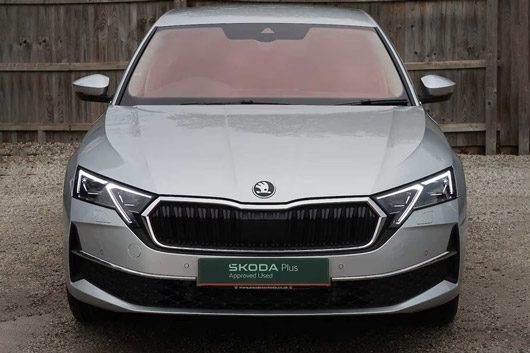
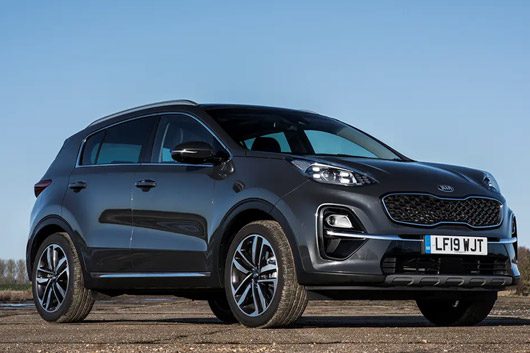
For approximately £12,500 (about $15,700 USD), you can buy a model under seven years old. It will still enjoy some original factory warranty. The Škoda Octavia offers a spacious interior and comfortable driving experience. This makes it a practical family choice. Well-equipped models range from £10,000 to £12,000 (about $12,600 to $15,100 USD).
Not all used cars offer good value. Experts list some models to avoid in 2026. These models have reliability issues, high repair costs, or practicality concerns.
People know early-production Tesla Model S (2021 and earlier) for initial quality control issues. Replacing EV batteries and motors costs extremely high. This makes long-term ownership of early models a significant risk.
The Toyota Mirai is a hydrogen fuel cell vehicle. It faces infrastructure challenges. Hydrogen refueling stations are scarce. Also, refueling costs are much higher than for traditional fuel vehicles. This limits its practicality.
The Jeep Renegade scores poorly in Consumer Reports reliability ratings. It has high repair costs and less-than-ideal fuel economy. It also shares a platform with the Fiat 500. This sharing could potentially lead to parts supply issues in Europe.
Buyers should also wary of other models. These include the Mitsubishi Mirage (overall lack of refinement), Ford F-150 PowerBoost hybrid (early technology issues), early Rivian models (2022-2023), Chevrolet Tahoe (2021 onward, numerous recalls), and the Nissan Altima (faces discontinuation and parts supply risks).
Certain classic models appeal to car collectors or buyers seeking a unique driving experience. They offer not only driving pleasure but also appreciation potential.
According to Hagerty’s 2026 market forecast, some classic models are worth watching. For example, consider the 2006-2013 Chevrolet Corvette Z06. It is priced around $55,900 USD. Experts consider it one of the best modern sports cars for performance-per-dollar.
The 1999-2005 Mazda MX-5 Miata is priced around $16,600 USD. It is renowned for its enduring popularity and driving fun.



In the new-energy used car sector, you should exercise extra caution. The Nissan Leaf is a cost-effective choice in the UK market. A 2018 model costs under £10,000 (about $12,600 USD). It offers a range of approximately 168 miles per charge.
Battery state of health (SOH) is a key consideration when buying a used new-energy vehicle. Prioritize vehicles with a battery SOH not less than 80%. Also, confirm if the warranty transfers with the car.
Mastering the right car-buying techniques can significantly reduce risk. First, vehicle history checks are an essential step. Always use professional platforms or franchised dealers. They can query maintenance and accident records for you.
During a physical inspection, check the vehicle’s condition systematically. A static inspection includes looking for signs of cutting or welding on key structural areas. Also, check the interior for water damage indicators.
Then, perform a dynamic test. Start the engine from a cold state to observe its operation. Next, do a road test to assess gearshift smoothness, steering response, and chassis stability.
The contract is your final safety net. Ensure it explicitly states “no major accidents, no water damage, no fire damage.” Also, insist on completing the ownership transfer before you make the full payment.
The Chinese used car market welcomed favorable policies in 2026. Authorities have completely lifted the nationwide restriction on cross-regional transfers. This allows China 5 and China 6 standard vehicles to circulate freely. It greatly enriches the selection of available vehicles.
Scrappage and replacement subsidies have increased. Trading in an old car for a new one can now yield a cash subsidy of up to 15,000 RMB. This reduces the cost of changing cars.
For owners considering Chinese used cars for sale, selling during the “golden transaction period” of 4-6 years is most cost-effective. At this age, the car’s performance is stable. The depreciation rate drops to about 8% per year. You can also avoid major scheduled maintenance expenses.
Timing the sale is also important. December is the best time. This avoids the devaluation that comes when the car becomes a year older after the New Year. Also, any remaining insurance can serve as a bargaining chip.
When purchasing a used new-energy vehicle, prioritize official manufacturer-certified channels. These channels typically offer more reliable warranties for the “three-electric” system. This system includes the battery, motor, and electronic control. They also provide nationwide after-sales service.
The Chinese used new-energy vehicle market saw significant growth in 2026. Its first-half transaction volume surged 65%, and prices rose 10%. When choosing, prioritize models with less than 15% range degradation. Also, look for models under 3 years old.
Smart used car buyers look for undervalued gems among popular models. At the same time, they stay wary of hidden traps in niche ones. For instance, the Lexus RX series maintains an astonishingly high resale value in the North American market. Conversely, some European luxury brands can depreciate faster than you might imagine after five years.
A Chinese consumer considering selling their China 5 standard vehicle will find the 2026 policy changes helpful. The changes have expanded their potential market from local to national. Meanwhile, a young buyer in the UK might find a used Volkswagen Up for under £8,000. It may meet their city commuting needs better than many new cars.
No absolute formula exists in the used car market. However, data and trends provide reliable navigation. In the end, the right car for you should make financial sense on paper. More importantly, it must reliably accompany you on every journey for years to come.

