
How can I improve my car AC performance in summer?
In the global compact SUV market, two popular models from the Volkswagen Group—the Skoda Karoq and the Volkswagen Tiguan—have been locked in fierce competition.
Sharing the same technical platform, they attract consumers worldwide with different brand positioning, pricing strategies, and design philosophies. We will compare and analyze these two models from a global user perspective to help you make the choice that best suits your needs.
The market positioning of the Skoda Karoq and the Volkswagen Tiguan shows clear differences. Although both models belong to the Volkswagen Group’s MQB platform, the Skoda brand focuses on “value for money” as its core competitive edge.
According to European market data, the starting price of the Skoda Karoq is around $26,800 (AUD 39,990 in the Australian market).
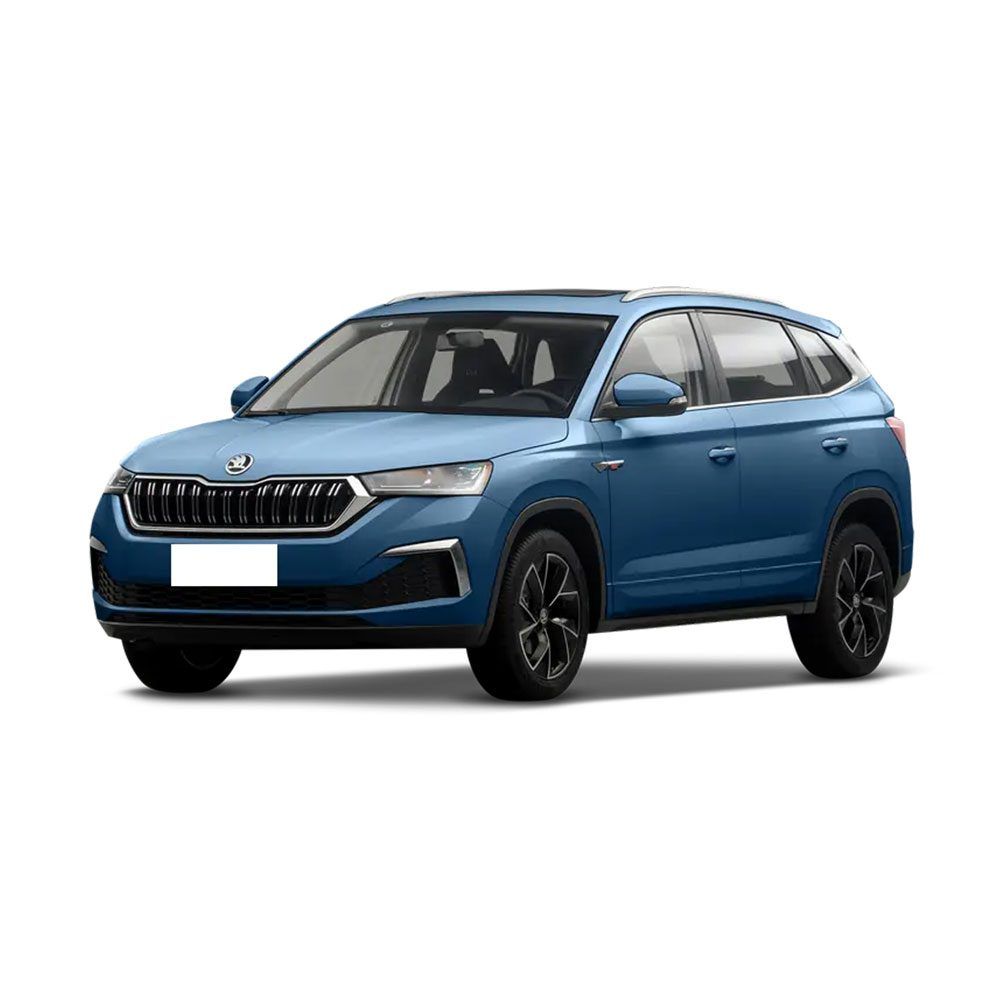
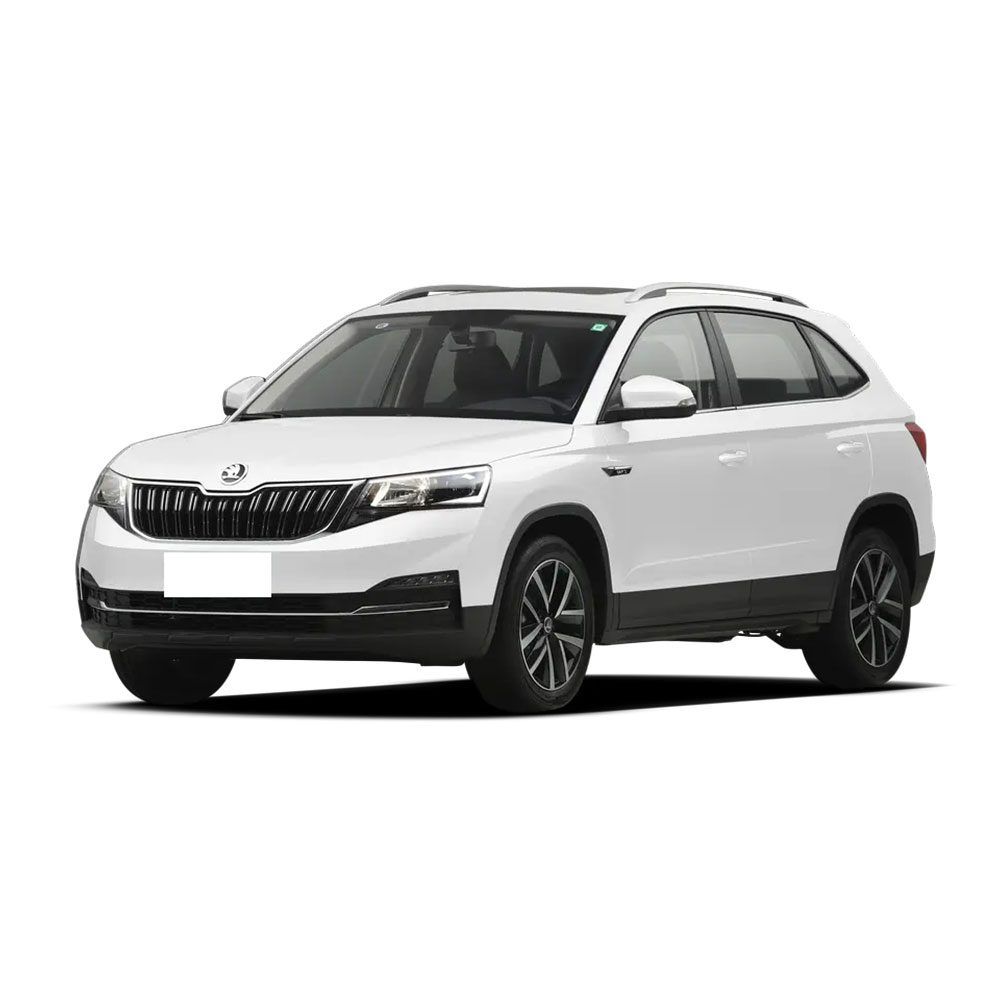
In the Chinese market, supplier quotes on Alibaba show that the price range for a new Skoda Karoq is between $16,500 and $18,000.
In contrast, the Volkswagen Tiguan, as a mainstay of the Volkswagen brand, is priced significantly higher. The starting price for the new Tiguan in overseas markets is $29,495, approximately 10% higher than the Skoda Karoq.
In the Chinese automotive market, the locally produced Tiguan manufactured by SAIC Volkswagen has a suggested starting price of around ¥200,000 RMB (approximately $27,500).
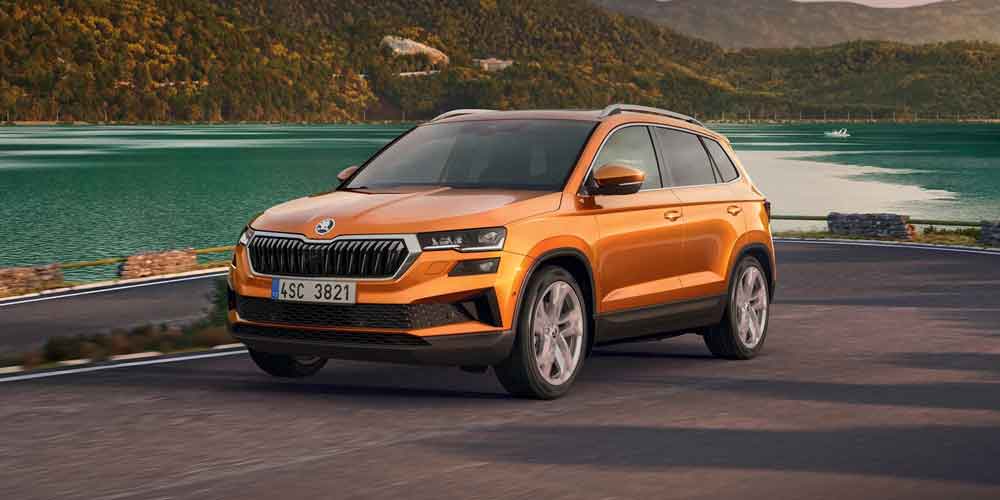
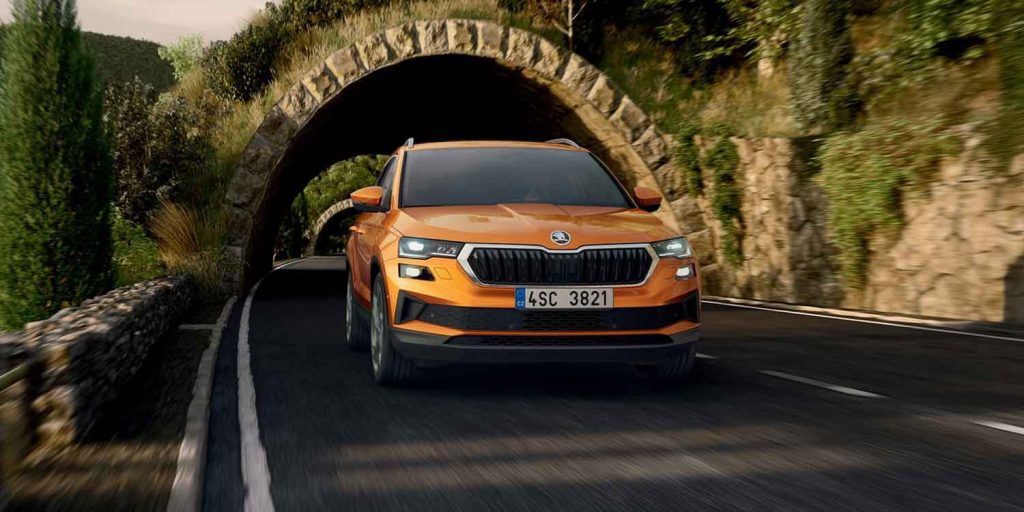
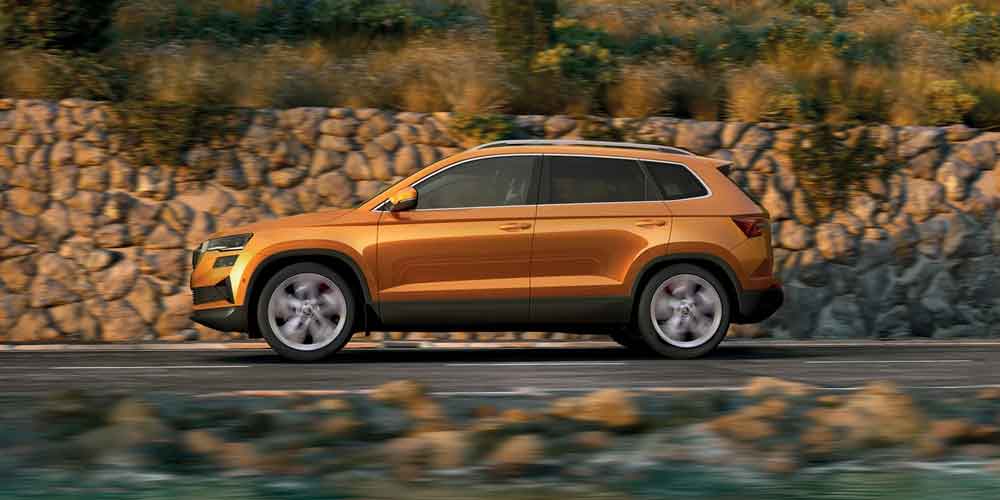
The two models present distinct styles in exterior design. The Skoda Karoq continues the family design language, featuring Czech crystal-cut lines that give it a balanced and timeless appearance. It resembles a scaled-down version of the Kodiaq, compact yet full of crossover character.
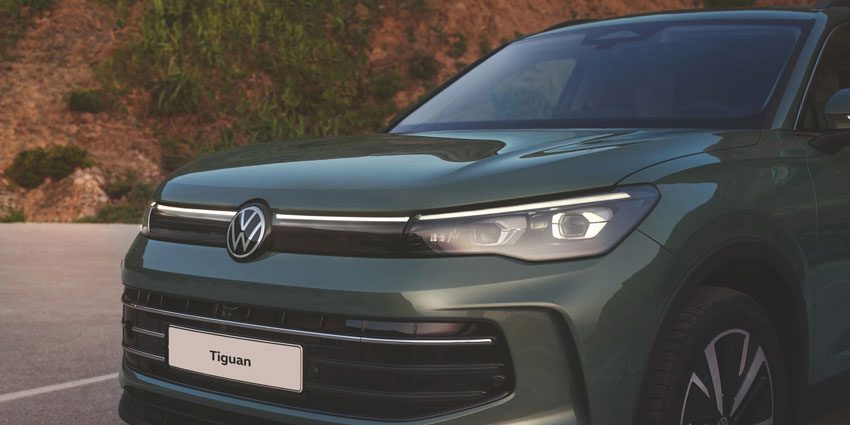
The Volkswagen Tiguan maintains the brand’s consistent reserved design, with smooth lines and a greater emphasis on urban fashion sense. Both models are compact SUVs. The Karoq measures 4382/1841/1605 mm in length, width, and height, with a wheelbase of 2638 mm.
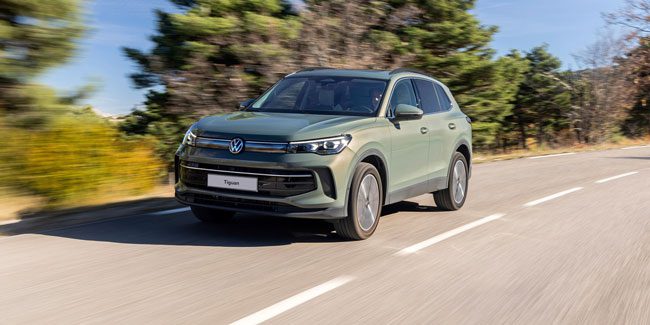
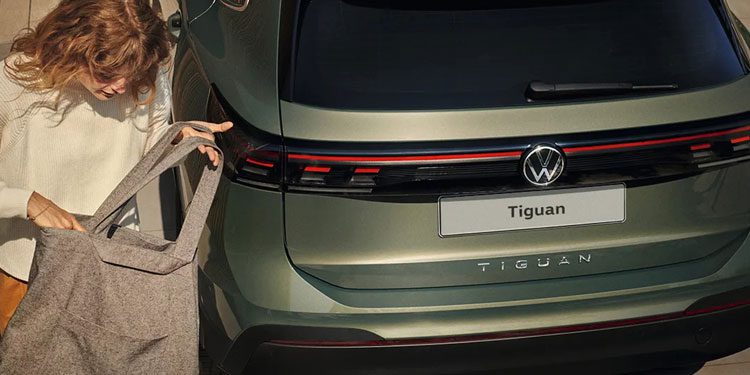
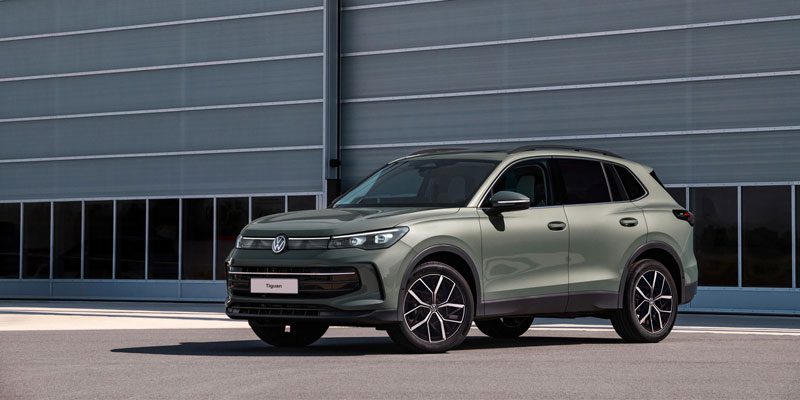
In terms of spatial practicality, the Skoda Karoq performs exceptionally well. Its standard 521-liter trunk space is sufficient for daily needs. Even more impressive is the innovative VarioFlex removable rear seat system, which allows the cabin to transform into a completely flat loading area, with a maximum capacity of up to 1810 liters.
In comparison, while the Volkswagen Tiguan also offers spacious interior room, its seat flexibility is not as versatile as the Karoq’s system.
Inside the cabin, the interior styles of the two models reflect their respective brand philosophies. The Skoda Karoq’s interior focuses on simplicity and practicality, with a mix of soft plastics, leather, and metal trim creating a stylish and homely atmosphere.
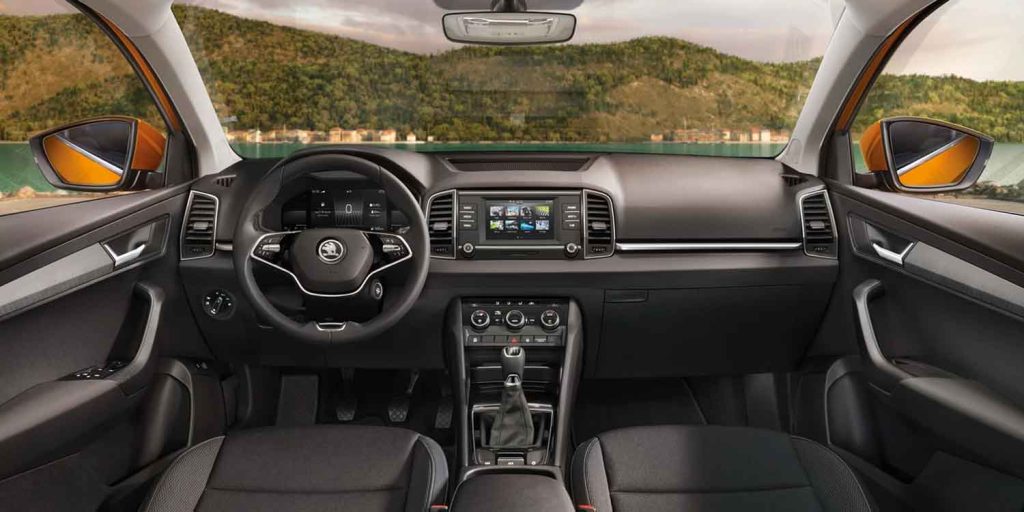
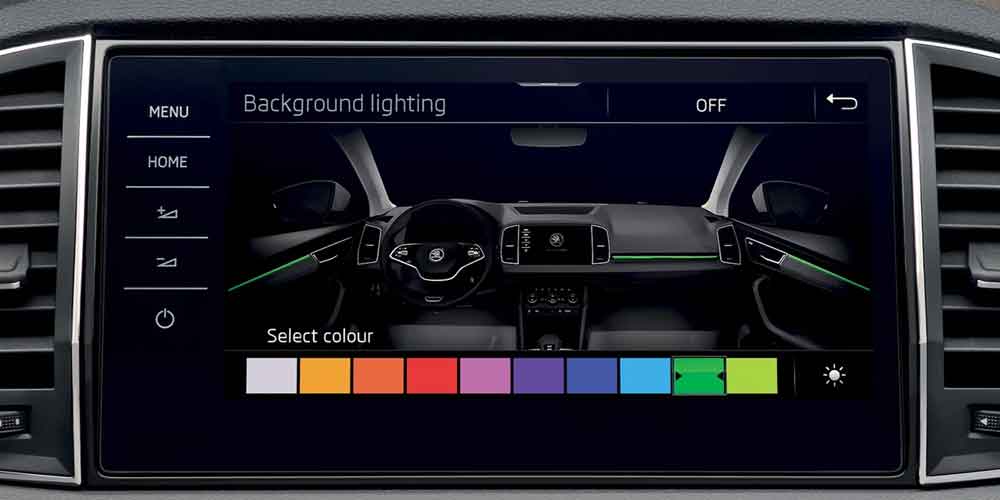
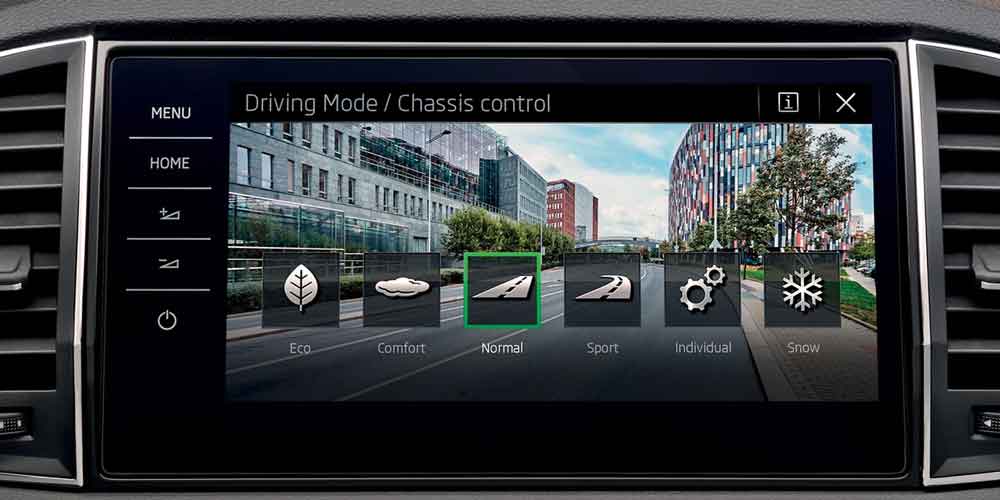
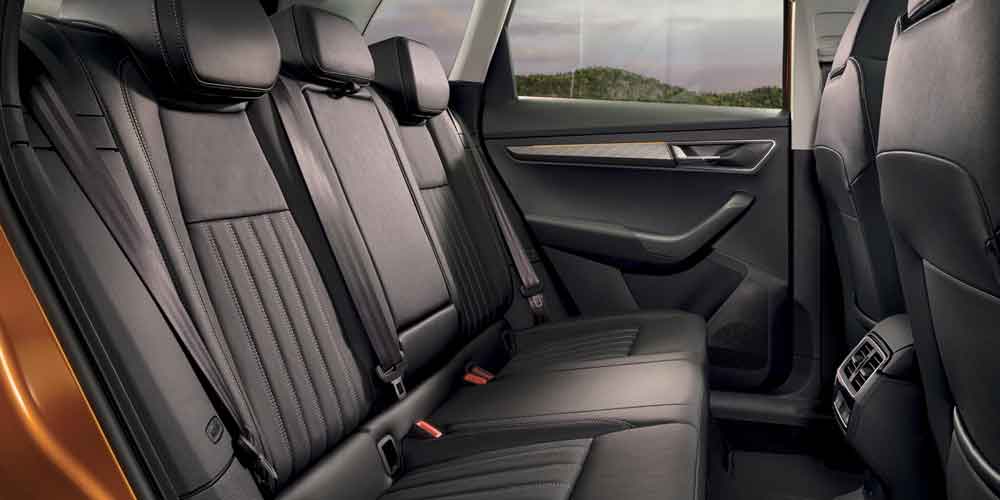
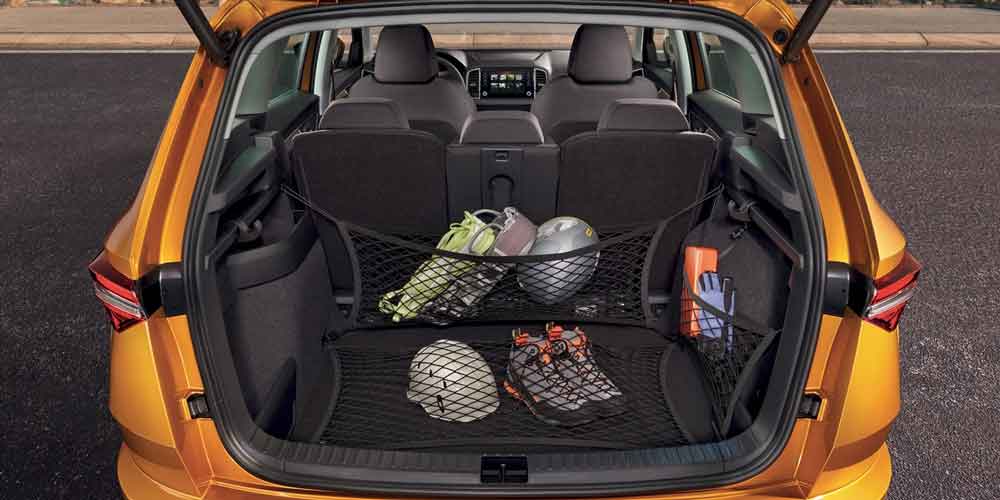
In terms of technology, the Karoq is equipped with a 6.5-inch or 8-inch touchscreen (depending on configuration), supporting Apple CarPlay and Android Auto smartphone connectivity.
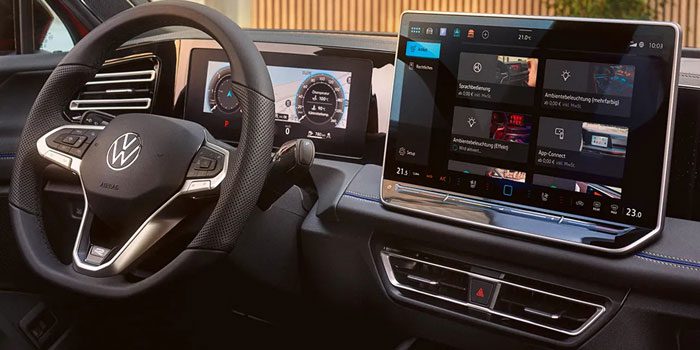
The Volkswagen Tiguan excels in interior luxury. The new Tiguan comes standard with a 10.25-inch digital instrument cluster and a 12.9-inch infotainment system. Additionally, Volkswagen’s latest IQ.Drive intelligent driving assistance system is also standard on the Tiguan, offering advanced features such as adaptive cruise control and active blind-spot monitoring.
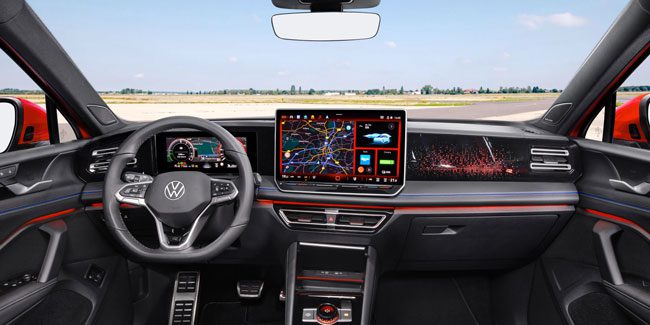
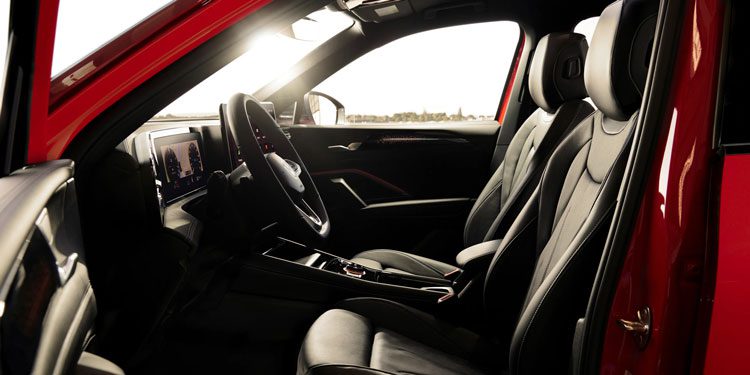
In safety, both models perform well. The Karoq offers up to nine airbags in higher trims, along with a comprehensive suite of driving assistance systems. The Tiguan holds an advantage in active safety thanks to the standard IQ.Drive system.
The powertrain is an area where these two models differ significantly. The Skoda Karoq offers a diverse range of engine options, including the 1.0 TSI and 1.5 TSI gasoline engines, as well as the 1.6 TDI and 2.0 TDI diesel engines.
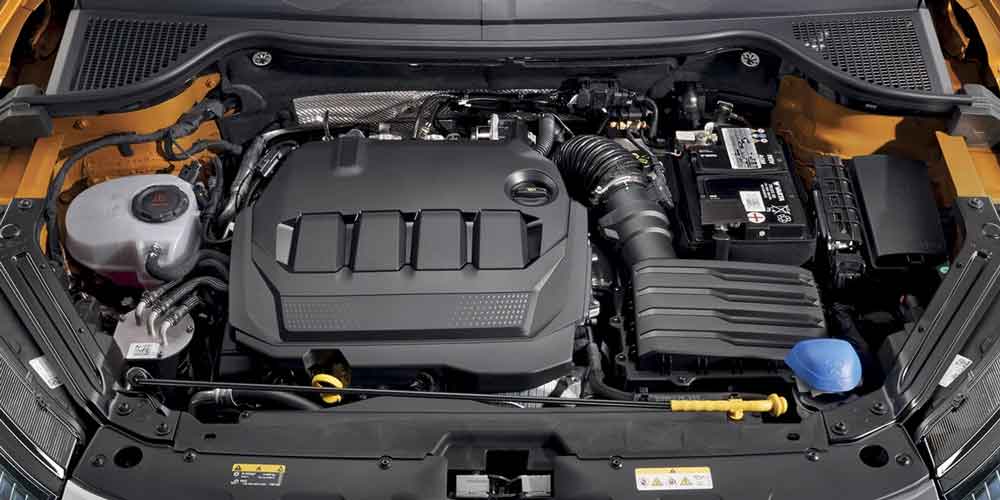
These powertrains are paired with either a six-speed manual or a seven-speed DSG dual-clutch transmission, providing consumers with abundant choices.
In contrast, the Volkswagen Tiguan has a more focused powertrain configuration. The new Tiguan is equipped across the range with a 2.0T turbocharged engine, with maximum output increased to 150 kW (approximately 201 horsepower), a gain of 17 kW over the previous model. This engine, paired with a seven-speed dual-clutch transmission, delivers a more uniform power delivery for the Tiguan.
Regarding driving experience, both models, based on the same MQB platform, offer a stable and solid chassis feel. The Skoda Karoq’s suspension tuning leans toward comfort while maintaining good support. The Volkswagen Tiguan places greater emphasis on driving precision and feedback, reflecting the brand’s consistent focus on driving dynamics.
Due to differences in brand positioning and target markets, there are noticeable variations in the pricing and configurations of the Skoda Karoq and Volkswagen Tiguan across global markets:
| Comparison Dimension | Skoda Karoq | Volkswagen Tiguan |
| Base Starting Price | ~$26,800 (Australia) | ~$29,495 (Global) |
| China Market Price | $16,500–$18,000 (Imported) | ~$27,500 (Locally Produced) |
| Powertrain Options | Diverse (1.0TSI/1.5TSI petrol, 1.6TDI/2.0TDI diesel) | Unified 2.0T turbocharged engine |
| Technology Features | 6.5″/8″ touchscreen, Apple CarPlay/Android Auto | 10.25″ digital cluster + 12.9″ infotainment |
| Space Flexibility | VarioFlex removable rear seats, max 1810L | Traditional seat layout, fixed space |
| Safety Features | Up to 9 airbags (high trim), optional driving assistance systems | Standard IQ.Drive intelligent driving assistance system |
It is worth noting that, due to the unique nature of the Chinese automotive market, the policies and pricing strategies for Chinese cars for sale significantly impact both models. The Tiguan is already locally produced in China, while the Karoq is primarily sold through imports.
Faced with these two distinctive compact SUVs, consumers should base their choice on personal needs and budget:
Choose the Skoda Karoq if you:
Choose the Volkswagen Tiguan if you:
As competition in the global automotive market intensifies, differences in strategies for Chinese cars for sale further differentiate the market performance of these two models.
Regardless of the choice, consumers ultimately get a compact SUV with German heritage and solid craftsmanship. The distinction lies in whether you are more willing to pay a premium for brand and technology or place greater value on the direct return of practicality and cost-effectiveness.

