
How can I improve my car AC performance in summer?
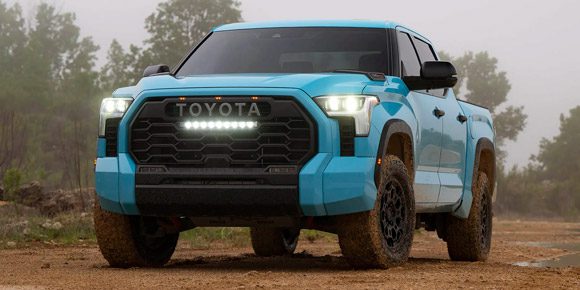
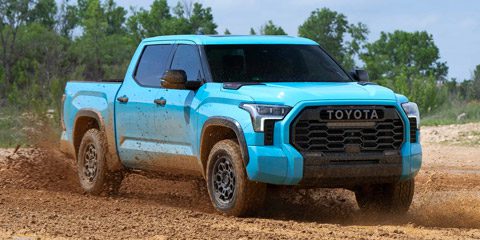
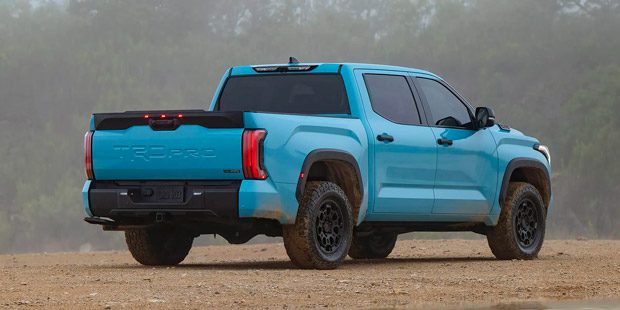
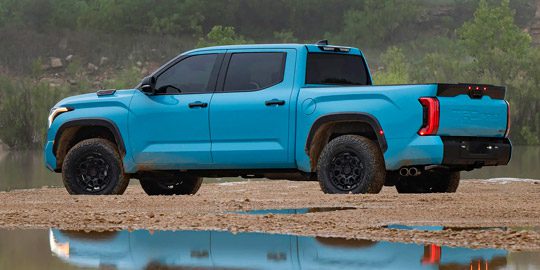
The 2026 Toyota Tundra is now available for pre-order in the North American market, starting at $41,260, which is $1,170 higher than the previous model. The most notable change in the new Tundra lies in its interior, featuring a fresh black-and-gray color scheme accented with brown stitching, significantly enhancing its luxurious appeal.
Additionally, the ISO Dynamic Seats come standard across the entire lineup. This technology intelligently detects road bumps and actively filters vibrations, directly addressing the common fatigue issue during long-distance drives in pickup trucks.
Since its debut in 2000, the Toyota Tundra has undergone three major generations, each making significant strides in performance, comfort, and technology. Understanding this evolution is fundamental to choosing the model that best suits your needs.
The first-generation Tundra (2000–2006) established Toyota’s presence in the full-size pickup market, primarily equipped with a 4.7L V8 engine that delivered reliable and practical performance.
The second generation (2007–2021) marked an important milestone, introducing a more robust 5.7L V8 engine, allowing the Tundra to directly challenge its American rivals in terms of power.
The third-generation Tundra (2022–present) represents a comprehensive overhaul, moving away from the traditional large-displacement V8 to more efficient powertrains: a 3.4T V6 twin-turbo and a 3.5T V6 hybrid system.
Information on the Toyota Tundra for sale in today’s market covers models from all three generations, catering to consumers with varying budgets and preferences.
The evolution of the powertrain is at the core of the Tundra’s development. While the large-displacement naturally aspirated engines in earlier models were reliable, they had clear drawbacks in fuel economy and emissions.
Starting with the 2022 model, the third-generation Tundra offers two advanced powertrain options: the i-FORCE 3.4T V6 twin-turbo gasoline engine, delivering 394 horsepower and 649 Nm of torque, and the more powerful i-FORCE MAX hybrid system, with a combined output of 443 horsepower and a peak torque of 790 Nm.
These modern powertrains not only enhance performance but also significantly improve fuel efficiency. According to real-world data, the new Tundra’s city fuel consumption is approximately 11.2L/100km, nearly 3L lower than the previous gasoline-only models.
The Tundra’s interior has transitioned from a purely utilitarian workspace to a luxurious mobile environment. The updates in the 2026 model are particularly noteworthy, reflecting Toyota’s renewed focus on pickup comfort.

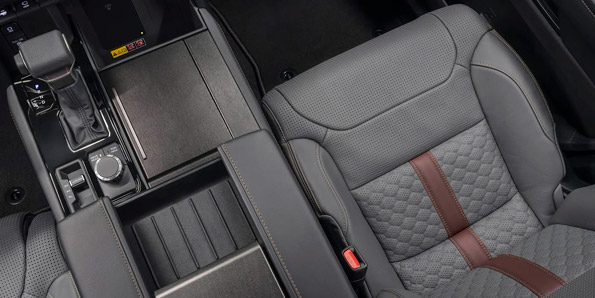
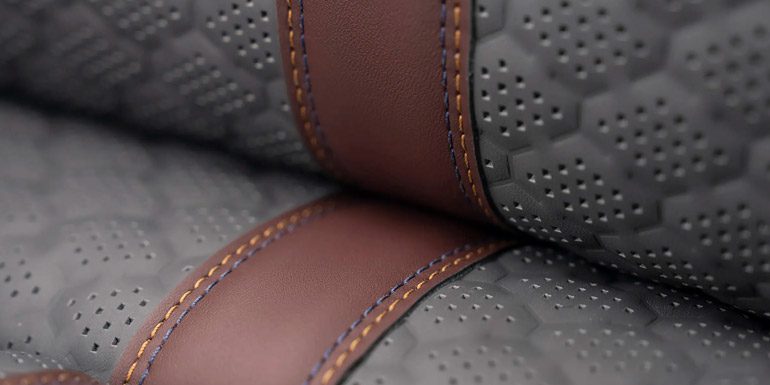
The latest Tundra features a black-and-gray dual-tone interior with brown stitching, noticeably elevating its premium feel. The climate control system has also been upgraded, with special attention given to rear passenger comfort.
The most striking addition is the ISO Dynamic Seats, now standard across all trims. They actively sense road vibrations and reduce the amount transmitted to passengers, addressing the fatigue commonly associated with long drives in traditional pickups.
The table below clearly illustrates the core differences among the Toyota Tundra generations:
| Generation | Production Years | Powertrain Highlights | Interior & Features | Current Market Positioning |
| First Generation | 2000–2006 | 4.7L V8 Naturally Aspirated | Basic, utility-focused | Classic, practical choice for budget-conscious buyers |
| Second Generation | 2007–2021 | 5.7L V8 Naturally Aspirated | Improved comfort, gradual tech integration | Balances performance and price; popular on the used market |
| Third Generation | 2022–Present | 3.4T V6 Turbo / 3.5T V6 Hybrid | Luxury tech, standard ISO Dynamic Seats & advanced features | Cutting-edge, ideal for users seeking the latest experience |
This comparison provides a clear reference for consumers to understand the characteristics of each Tundra generation.
Choosing the right Tundra largely depends on your needs, budget, and usage scenarios. There is a suitable option for every type of user within this model lineup.
If you are a practical buyer primarily concerned with the Toyota Tundra price and reliability, the second-generation Tundra (2016–2021) might be the best choice. These models are technologically mature, have a large market presence, and relatively lower maintenance costs. According to market data, prices for a used Toyota Tundra for sale range from approximately $18,000 to $38,000.
For tech enthusiasts and frequent long-distance drivers, the 2026 Tundra is undoubtedly the top choice. Its ISO Dynamic Seats significantly reduce driving fatigue, while the hybrid system offers stronger power and better fuel economy.
Off-road enthusiasts and outdoor adventurers should focus on the TRD Pro trim. The 2026 TRD Pro introduces a unique “Wave Maker” blue exterior paint and enhanced off-road capabilities.
For budget-conscious consumers who still want to experience a full-size pickup, the first-generation Tundra (2000–2006) is an economical option. Although the technology is dated, these models remain reliable and durable, with starting prices around $4,000.
Chinese consumers should take several specific factors into account when considering a Tundra purchase. Since the Tundra primarily enters the Chinese market through parallel import channels, its price is considerably higher than in North America.
A 2026 Tundra priced at around $41,260 in North America may cost close to or even exceed 500,000 RMB in China. Additionally, it is important to understand local regulations regarding pickup trucks, such as urban access restrictions.
Within the broader Chinese cars for sale market, the Tundra maintains strong resale value. Industry data indicates a 5-year residual value of up to 65%, giving it a clear advantage among comparable models.
Regardless of the model chosen, a test drive is highly recommended, with particular attention to seat comfort, driving visibility, and parking convenience. Off-road enthusiasts should evaluate the four-wheel-drive system and ground clearance, while family users should prioritize rear space and passenger comfort.

