

Is It Better to Buy a Car at Month-End or Year-End?
In 2010, a major event shook the global automotive industry: China’s Zhejiang Geely Holding Group acquired the renowned Swedish car brand, Volvo. However, even today, many people remain unclear about the exact relationship between these two companies. Volvo Cars is fully owned by Geely Holding, while the Volvo Group (which primarily produces commercial vehicles like trucks and buses) is a separate entity. Geely is merely one of its significant shareholders. Next, we will dissect this complex and fascinating corporate network in detail.
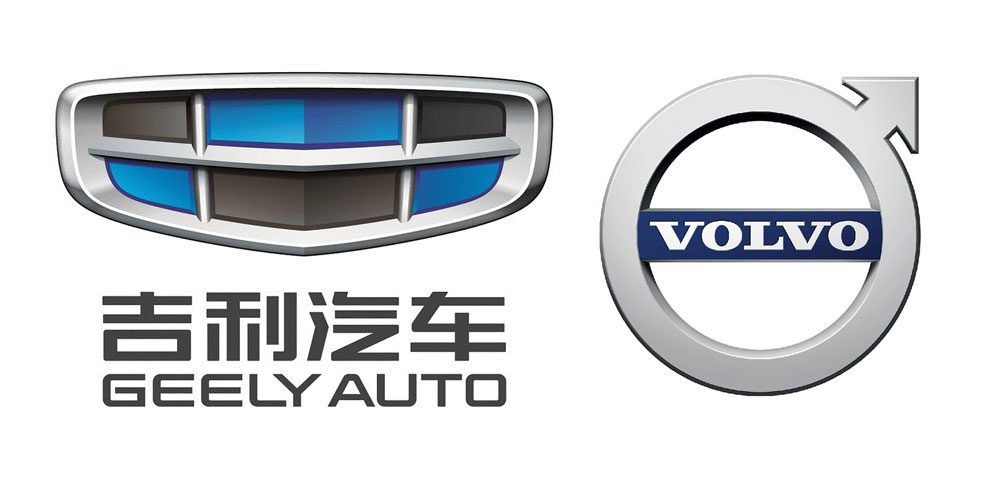
On March 28, 2010, Geely Holding Group officially signed an agreement with Ford Motor Company to acquire 100% of Volvo Cars’ shares and related intellectual property for $1.8 billion. The deal was completed in the third quarter of that year, marking the formal inclusion of Volvo Cars under Geely Holding Group.
It is worth noting that Ford had acquired Volvo Cars in 1999 for $6.45 billion. Thus, Geely’s purchase price eleven years later was only about one-third of what Ford paid. This acquisition not only gave Geely a complete luxury car brand but also included 9 product series, three production platforms, a global network of over 2,000 dealers, and crucial technical support.
Post-acquisition, Geely made a “three-unchanged” pledge: Volvo’s headquarters location and production facilities would remain unchanged; partnerships with unions, dealers, and other partners would remain unchanged; and the corporate culture would remain unchanged. This strategy alleviated concerns about potential over-“Sinicization” of the brand and laid the foundation for Volvo Cars’ sustained development.
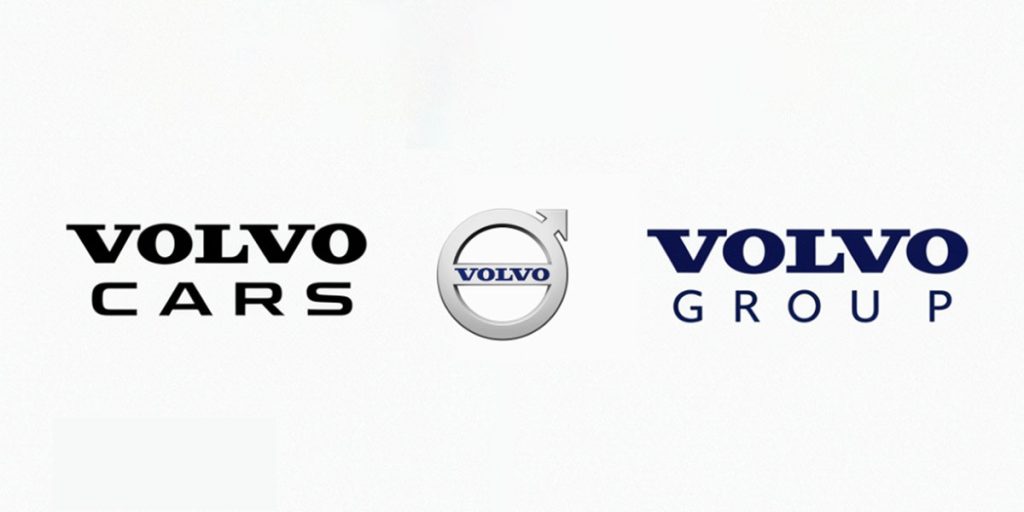
To understand the relationship between Geely and Volvo, one must first distinguish between two often-confused entities:
Although the two companies share the “Volvo” brand name and historical roots, they have been separate business entities since the Volvo Group sold its car business to Ford in 1999. In 2017, Geely Holding acquired an 8.2% stake in the Volvo Group, becoming its second-largest shareholder, but this is separate from fully owning Volvo Cars.
After acquiring Volvo, Geely did not simply absorb the Swedish company. Instead, it adopted a balanced strategy: maintaining Volvo’s independent operations while gradually deepening cooperation between the two.
“Geely is Geely, Volvo is Volvo,” stated Li Shufu publicly, emphasizing that two separate management teams would serve different consumer groups. This management philosophy, which respects brand distinctiveness, allowed Volvo to maintain its luxury brand positioning and European design style.
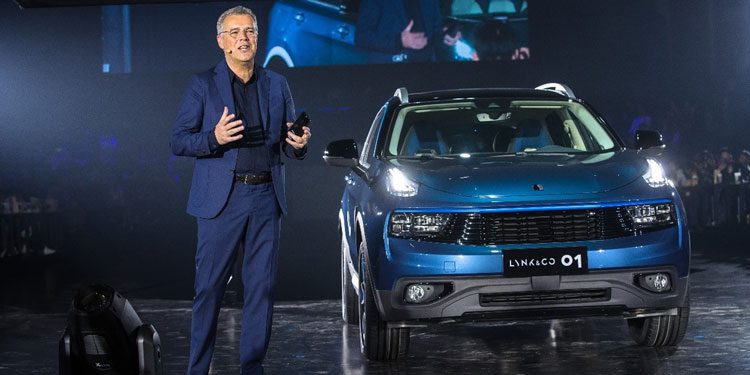
Meanwhile, cooperation between Geely and Volvo gradually deepened:
In July 2021, Volvo Cars announced the acquisition of Geely Holding’s stake in their Chinese joint venture, thereby fully integrating its manufacturing, R&D, and sales operations in China. This move made Volvo Cars the first global carmaker to fully integrate its Chinese business.
Following Geely’s acquisition, both companies gained significant development opportunities. Volvo Cars achieved continuous global sales growth under Geely’s leadership, with particularly outstanding performance in the Chinese market.
In 2020, despite the pandemic, Volvo Cars’ sales in China reached 166,617 units, a 7.5% increase from 2019, setting a sales record for the eighth consecutive year. In the first half of 2021, its sales growth year-on-year surged to 44.9%.
Simultaneously, Geely gained access to core technologies, management experience, and a global sales network through this acquisition. The Compact Modular Architecture (CMA) co-developed by both parties is used not only for Volvo cars but also underpins the Lynk & Co brand and some of Geely’s premium models. This synergy created a genuine win-win situation.
The table below summarizes the key distinctions in the Geely-Volvo relationship:
| Entity | Primary Business | Geely’s Ownership Role | Operational Status |
| Volvo Car Corporation | Passenger Vehicles (Cars, SUVs, etc.) | 100% Ownership | Wholly-owned subsidiary of Geely Holding Group |
| Volvo Group | Commercial Vehicles (Trucks, Buses, etc.) | Second Largest Shareholder (approx. 6.8%-8.2% stake) | Independent publicly listed company |
| Geely-Volvo Joint Venture (China) | Manufacturing, R&D, and Sales | Volvo Cars acquired Geely’s stake in the JV in 2021 | Now fully controlled by Volvo Cars |
In early 2024, reports indicated that Geely sold part of its stake in the Volvo Group (reducing it from 8.2% to 6.8%). However, this does not affect Geely’s 100% ownership of Volvo Cars. This share adjustment primarily involved the commercial vehicle-focused Volvo Group, not the passenger car-producing Volvo Cars.
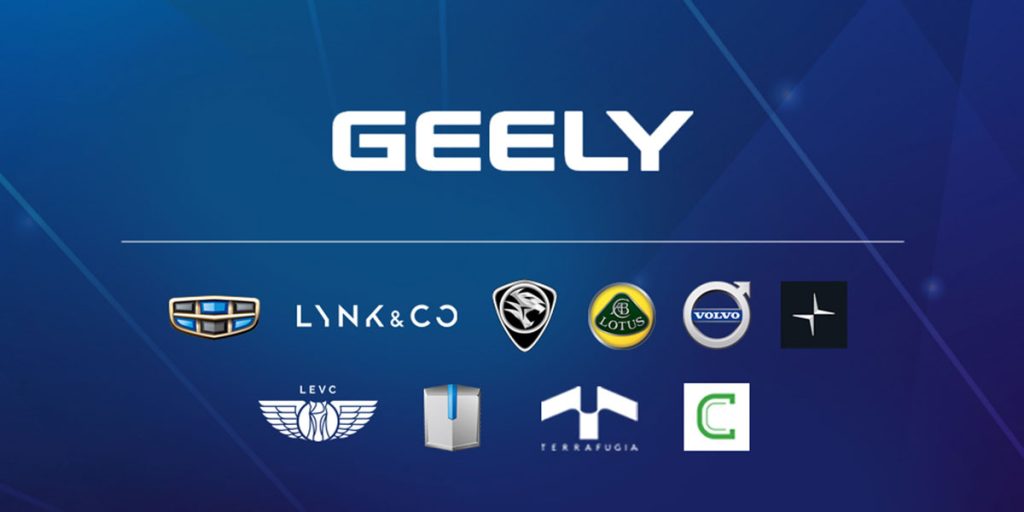
Currently, Geely Holding Group boasts a portfolio including Geely Auto, Lynk & Co, Volvo Cars, Polestar, Proton, Lotus Cars, London Electric Vehicle Company, and others, forming a powerful global automotive brand matrix.
Looking ahead, Geely and Volvo plan to continue deepening cooperation in the “Four Modernizations” of automobiles (electrification, intelligence, connectivity, sharing), jointly developing new-generation electric vehicles and autonomous driving technologies to meet the transformational challenges of the automotive industry.
In summary, Volvo Car Corporation is fully owned by Geely Holding Group, and this ownership has remained stable since the 2010 acquisition. However, Geely adopted a wise management strategy, achieving synergy through technical cooperation and resource integration while maintaining Volvo’s brand independence and European design tradition.
This successful cooperation model not only fostered the global development of Volvo Cars, particularly its growth in the Chinese market, but also laid the groundwork for Geely Holding Group to become a significant player in the global automotive industry. The story of Geely and Volvo is a successful case study in the internationalization process of Chinese automotive enterprises, demonstrating how to achieve win-win outcomes in cross-border mergers and acquisitions through respect for brand differences and precise strategic investment.

