
How can I improve my car AC performance in summer?
Buying a used car can be one of the smartest financial decisions you make. You avoid the steep depreciation of a new vehicle while still getting reliable transportation. However, purchasing a used vehicle requires careful inspection and research. Whether you’re considering local brands or browsing Chinese cars for sale, knowing what to check before signing the deal can save you thousands of dollars and prevent future headaches.
This comprehensive guide covers the most important things to inspect before buying a used car.

Unlike new vehicles, used cars come with a history. That history may include accidents, poor maintenance, hidden mechanical issues, or excessive wear and tear. A careful inspection helps you determine whether the car is a great deal or a costly mistake.
Doing your homework before purchasing gives you:
Better negotiation power
Lower repair risks
Confidence in your purchase
Long-term savings
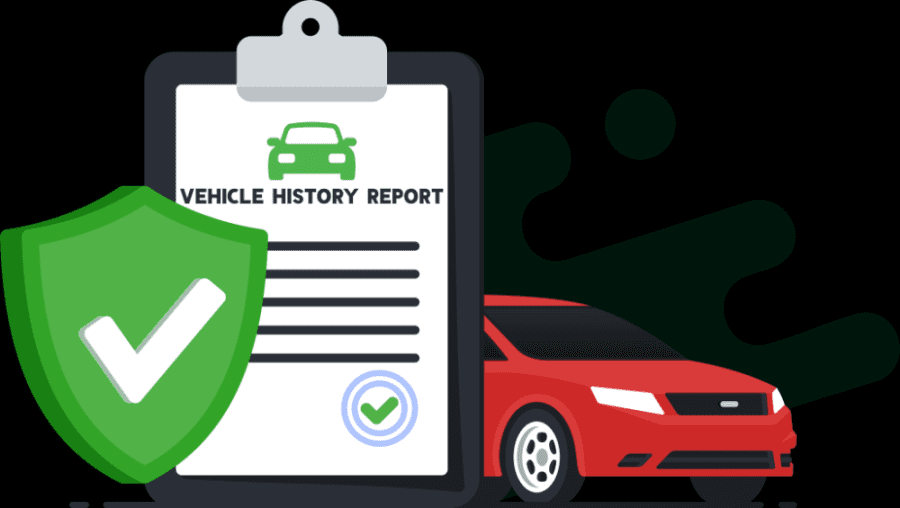
The first step before inspecting the car physically is reviewing its history.
Look for:
Previous accidents or damage
Ownership history
Mileage records
Service and maintenance records
Flood or fire damage
This is especially important when browsing Chinese cars for sale or imported vehicles, where documentation quality may vary depending on the seller.
A clean history report does not guarantee a perfect car, but a bad report is a major red flag.
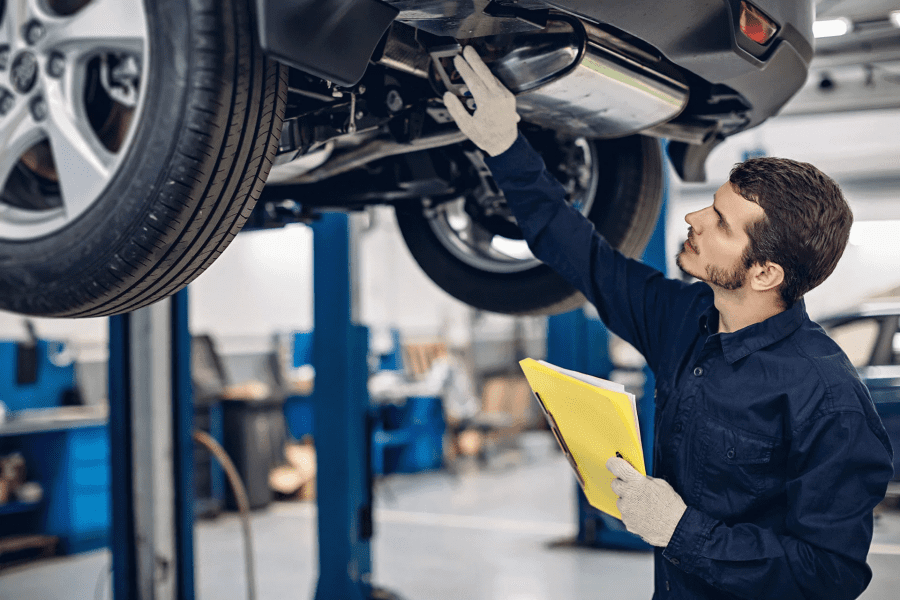
Walk around the car slowly and examine every panel.
Uneven paint color or texture
Misaligned doors or panels
Different gaps between body panels
Overspray on rubber seals or trim
These signs may indicate past collisions or poor repairs.
Tires can reveal how the car has been driven.
Look for:
Uneven tire wear
Cracks or dry rot
Low tread depth
Matching tire brands
Replacing tires can be expensive, so factor this into your budget.
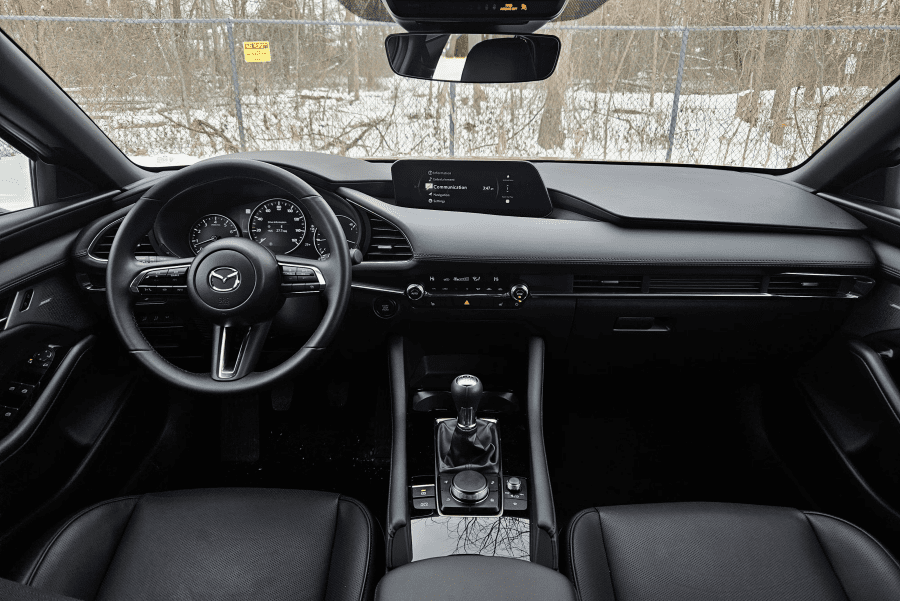
The interior reflects how the car was treated by previous owners.
Check:
Seat wear and upholstery condition
Dashboard cracks or fading
Working buttons and switches
Window and door functionality
Air conditioning performance
Many buyers exploring Chinese cars for sale prioritize modern interiors and technology, so ensure everything functions properly.
You don’t need to be a mechanic to spot warning signs.
Look for:
Oil leaks or fluid stains
Corrosion on battery terminals
Cracked hoses or belts
Dirty or sludgy oil
A clean engine bay usually indicates proper maintenance.
Mileage alone doesn’t determine a car’s condition. A well-maintained high-mileage car can be better than a neglected low-mileage one.
General guidelines:
10,000–15,000 km per year is average
Extremely low mileage may indicate long storage
High mileage requires excellent maintenance records
Compare mileage with the car’s overall wear.
Never buy a used car without driving it.
During the test drive, evaluate:
Smooth acceleration and braking
Steering response
Transmission performance
Suspension comfort over bumps
Unusual noises or vibrations
Chinese brands have improved significantly in recent years, but driving the car ensures it meets your expectations.
Modern cars include many electronic systems that are expensive to repair.
Test everything:
Infotainment and navigation
Parking sensors and cameras
Lights and indicators
Air conditioning and heating
Power windows and mirrors
If you are considering Chinese cars for sale, technology features are often a major selling point—so make sure they work perfectly.
Never overlook paperwork.
Verify:
Vehicle registration
VIN number matches documents
No outstanding loans or fines
Valid insurance history
Missing paperwork can create serious legal issues later.
Even if the car looks perfect, a professional mechanic inspection is highly recommended.
A mechanic can identify:
Hidden mechanical problems
Upcoming maintenance costs
Structural damage
Engine or transmission issues
Spending a small amount on inspection can save you a lot of money.
Research similar vehicles before negotiating.
Consider:
Age and mileage
Brand reputation
Condition and features
Local market prices
Chinese cars often offer excellent value, but pricing still varies depending on model and condition.
Buying a used car doesn’t have to be risky if you know what to check. Focus on vehicle history, mechanical condition, test driving, and legal documentation before making a decision.Whether you are searching for a reliable family car or exploring Chinese cars for sale, careful inspection and research will help you make a smart purchase and enjoy worry-free driving for years to come.

