



What is tire rotation and why is it important?
Have you ever wondered what tire rotation means? Simply put, tire rotation is the periodic moving of a car’s tires from one position to another. For example, you can move the front tires to the rear, or swap left and right. This operation allows the tires to wear more evenly.
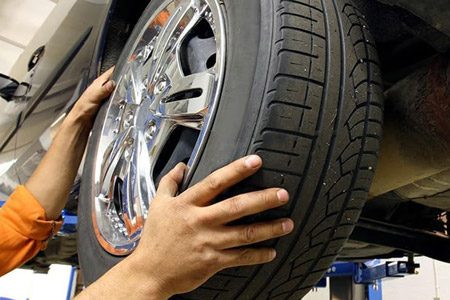
Tire rotation is a routine maintenance method. A service technician removes all four tires and reinstalls them according to a specific pattern. Common patterns include front-to-rear cross rotation, front-to-rear straight rotation, and so on. Each pattern is suitable for vehicles with different drive types.
First, tire rotation extends tire life. A car’s front and rear tires bear different pressures. The front tires are typically responsible for steering and also bear more braking load. As a result, front tires often wear out faster. By rotating them regularly, you can equalize the wear on each tire.
Second, tire rotation improves driving safety. Unevenly worn tires can lead to reduced grip. This risk is especially pronounced on wet roads or during emergency braking. Evenly worn tires provide stable handling performance.
Moreover, tire rotation saves you money. A set of high-quality tires is expensive. If you neglect rotation, some tires may wear out prematurely. You would have to buy new tires sooner than necessary. Regular rotation allows all four tires to reach the end of their service life at the same time.
Most car manufacturers recommend rotating tires every 8,000 to 12,000 kilometers. You can have the rotation done each time you change the oil. Consult your vehicle owner’s manual to confirm the specific rotation interval.
Front-wheel drive vehicles: Move the rear tires crosswise to the front positions, and move the front tires straight back to the rear.
Rear-wheel drive vehicles: Move the front tires crosswise to the rear positions, and move the rear tires straight forward to the front.
All-wheel drive vehicles: Typically use a cross rotation pattern, i.e., left front to right rear, right front to left rear.
If you never rotate your tires, they will develop irregular wear. For example, the outer edges of the front tires may wear down quickly, while the rear tires still have deep tread. This difference can cause the vehicle to shake and produce increased noise while driving. More seriously, you will lose fuel economy. Unevenly worn tires increase rolling resistance, thus consuming more gasoline.
When you plan to sell a car, tire condition directly affects buyer confidence. A savvy buyer will check whether the tires are evenly worn. Even wear indicates that the owner pays attention to overall maintenance. Conversely, unevenly worn tires may suggest long-term neglect of upkeep.
This principle also applies to the used car market in China. Whether you are selling a used car in Beijing, Shanghai, or Guangzhou, tire condition is a key selling point. Vehicles that have undergone regular tire rotation often command higher offers. Buyers are willing to pay a premium for safe and reliable vehicles. Therefore, keep your tire rotation records. They serve as proof that you have taken good care of your vehicle.
Do I need dynamic balancing after tire rotation?
Not necessarily. If the vehicle does not vibrate, additional balancing is usually not required. However, checking the balance during rotation is not harmful.
Does the spare tire need to be included in the rotation?
For some vehicle models, the spare tire can be incorporated into the rotation cycle. Check your owner’s manual for confirmation.
Is it necessary to recalibrate the tire pressure monitoring system after rotation?
Some vehicles require a manual reset of the TPMS. The technician will complete this step using specialized tools.
Tire rotation is a simple and low-cost procedure. It significantly extends tire life, improves safety, and saves fuel. More importantly, it protects your investment. Starting today, inspect your tire tread depth. If your last rotation was more than 10,000 kilometers ago, check your tire condition as soon as possible.

