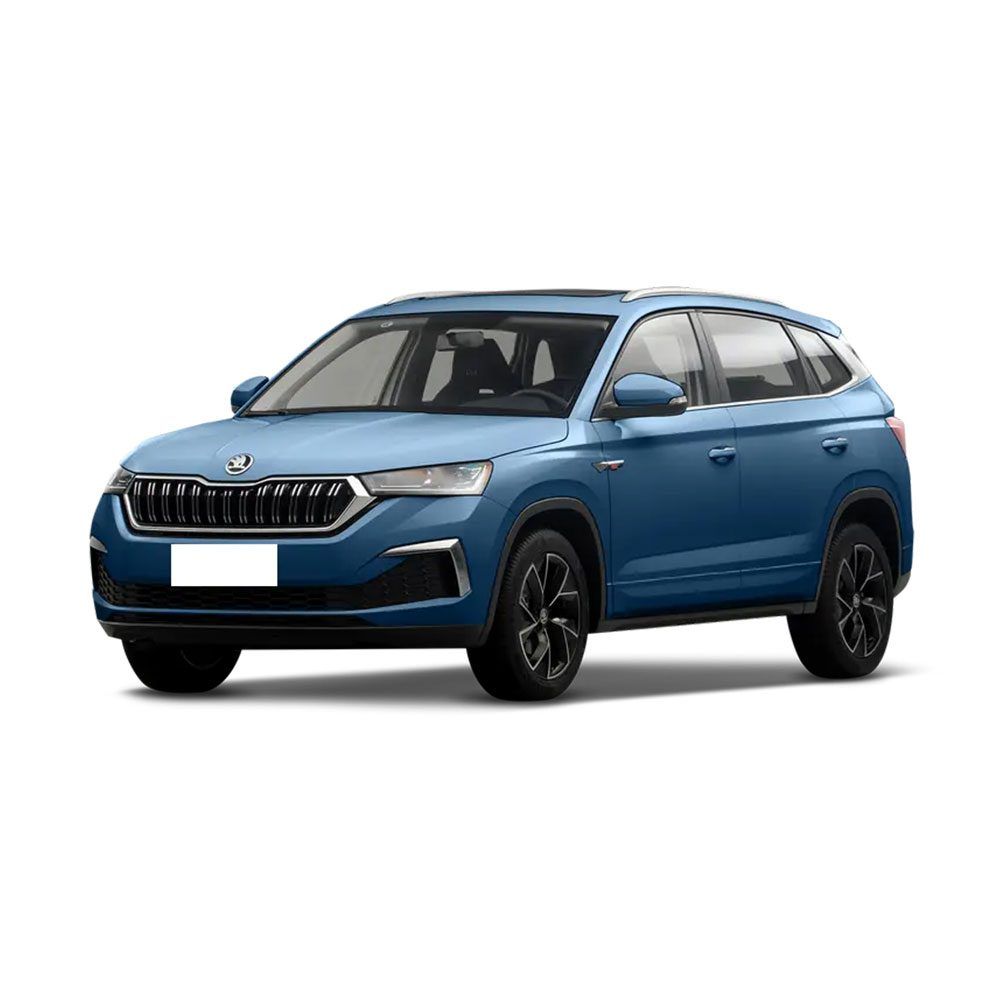
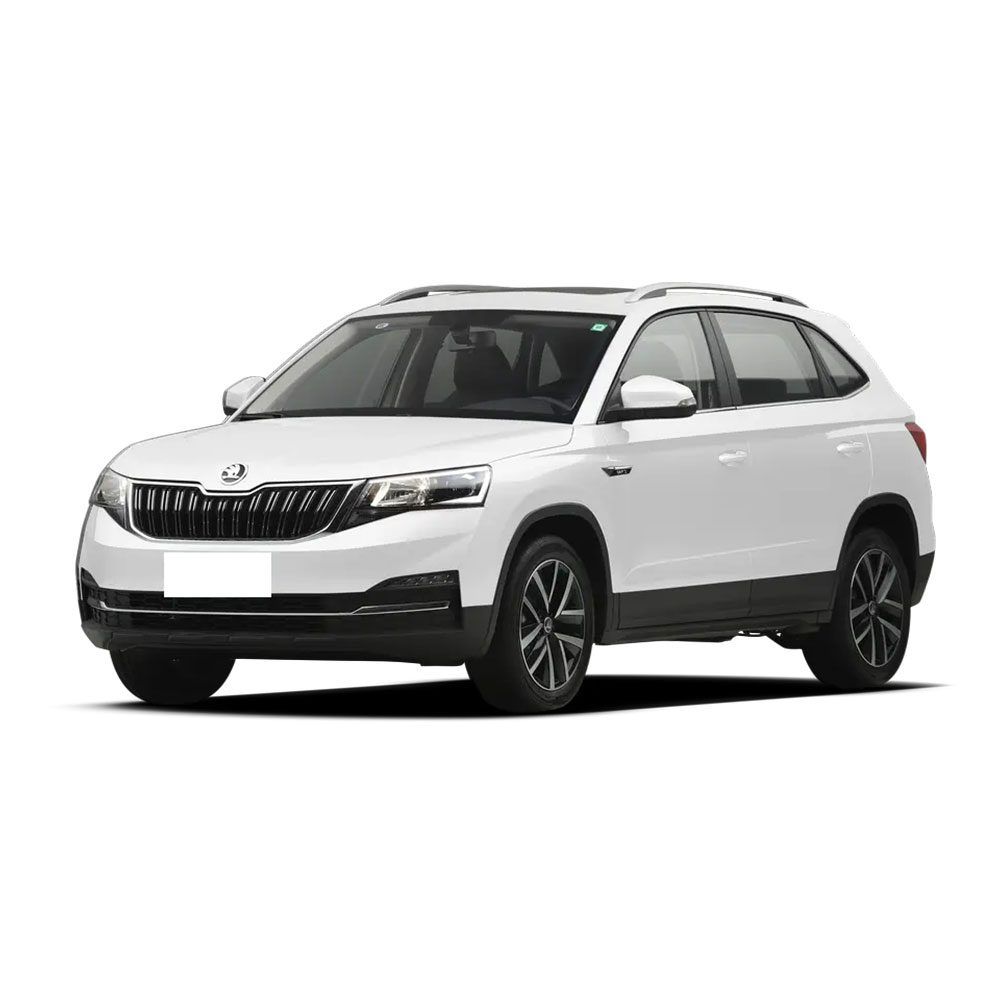

Which Chinese EV brands are available outside China?
In recent years, China’s automotive industry has completed a historic leap. It moved from “bringing in” to “going global.” The number of Chinese cars sold to consumers worldwide reached an astonishing 8.324 million units in 2025. Entering 2026, this momentum has only increased. In January alone, China’s vehicle export volume grew by 44.9% year-on-year. New energy vehicles contributed the primary growth momentum.
If you live outside of China, look around your local streets. Whether you are in Australia, Germany, Brazil, or Thailand, you will likely see electric vehicles from Chinese brands. These vehicles are no longer synonymous with “low price, low quality.” They are quietly reshaping the global automotive market. They bring advanced intelligent cockpits, efficient battery technology, and highly competitive prices.
In overseas markets, Chinese automotive brands have formed clear echelons. Some brands, through years of deep cultivation, have already integrated into local consumers’ lives. Others ride the wave of new energy. They have rapidly carved out a place in major global markets.
Here are several Chinese brands with the most extensive global sales networks and the most prominent sales volumes:
| Brand | Main Overseas Markets | Market Performance & Characteristics |
| Chery | Russia, Middle East, Latin America, ASEAN | It ranks first in Chinese brand exports for many consecutive years. It has over two decades of overseas operational experience. |
| BYD | Europe, Southeast Asia, South America, Australia | Overseas sales approached one million vehicles in 2025. Products have entered the Transport Canada directory, preparing for North American entry. |
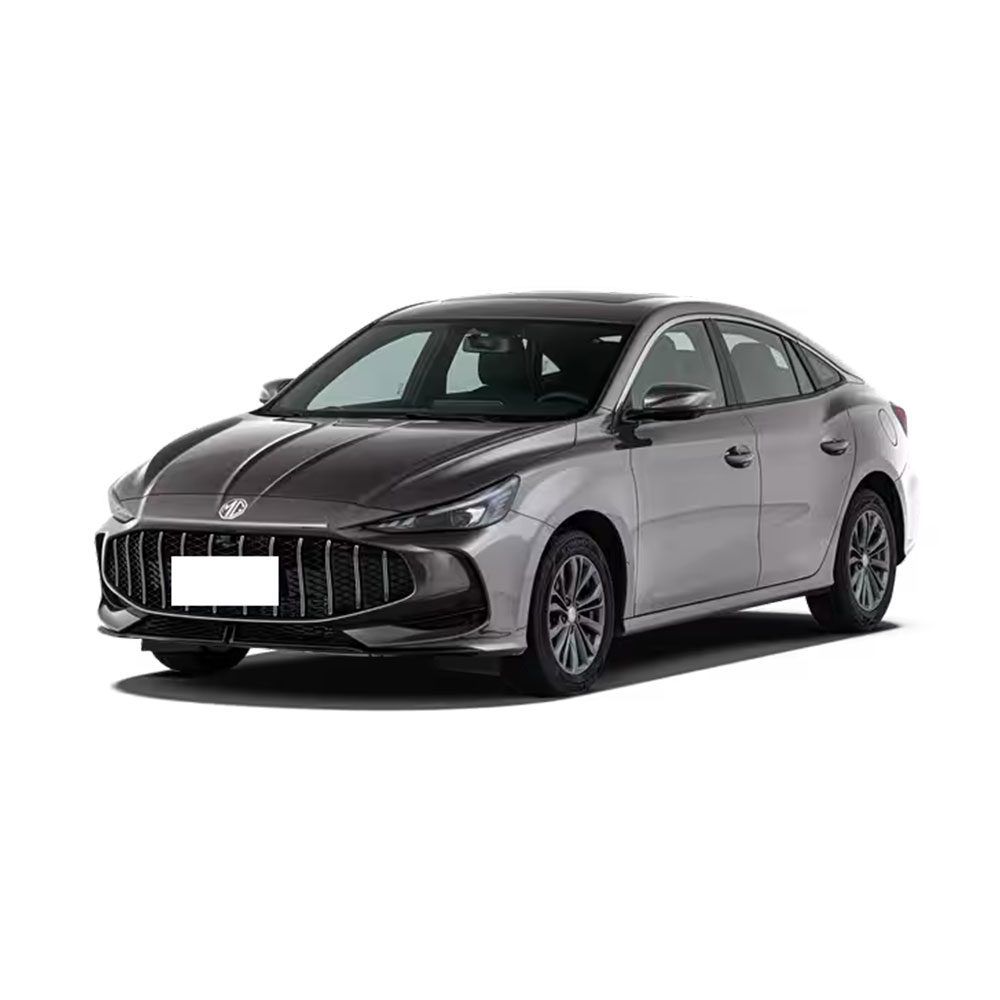
| MG | Europe, UK, South Asia, Australia | It has deep roots in European and right-hand drive markets. UK sales account for nearly one-tenth of local new car sales. |
| Great Wall Motors (GWM) | Thailand, Brazil, Middle East, Australia, Russia | Its sub-brands like Haval, Tank, and Ora go global together. Rugged off-road vehicles and hybrid models create differentiated advantages overseas. |
| XPeng | Europe (Norway, Netherlands, etc.), Middle East | It represents the new forces. The 2026 model P7+ has shipped to 18 countries globally. It will promote localized production in Austria. |
| Geely / Zeekr | Europe, Middle East | It achieves synergistic going-global by integrating resources like Volvo. Zeekr expands in the European market with a mid-to-high-end positioning. |
Chinese automakers’ overseas activities now go beyond simple vehicle sales. They have begun in-depth layouts based on different regions’ needs.
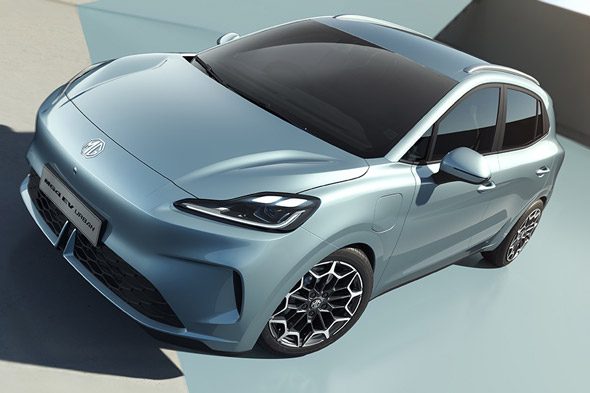
Europe is one of the most competitive overseas markets for Chinese electric vehicles. Despite the EU imposing tariff barriers, Chinese automakers hold their ground. They rely on strong product strength. In Germany, sales of a leading Chinese new energy brand increased more than tenfold year-on-year. It even surpassed the sales of a well-known American brand in Germany. MG continues pushing forward in the UK market. It launched the competitively priced new MG4 EV Urban. Its starting price is £23,495 (approximately $32,000, this is the UK market price). It aims to make electric vehicles more affordable for more British families.
Southeast Asia was once the domain of Japanese cars. Chinese brands are actively breaking this pattern. In Thailand, during January 2026, a leading new energy automaker from Shenzhen, China (BYD) saw its monthly sales surge. It jumped to second place in the market. BYD not only sells cars but has also established a local factory. It achieved a transition from “importing” to “local production.”
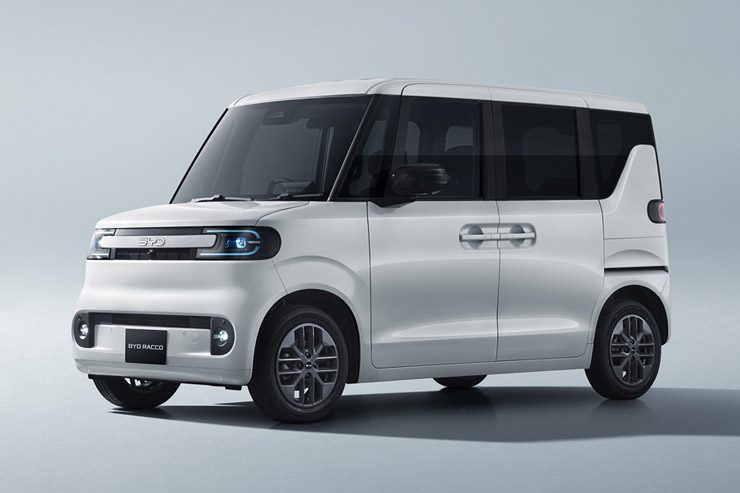
In Australia, Chinese brand cars have reached an astonishing 22.4% market share. They have become the second-largest source of imports. In Brazil, South America, BYD’s sales exceeded 100,000 vehicles for the first time in 2025. The Brazilian President even personally visited BYD’s factory. He thanked the company for bringing employment and dignity to the local area. To adapt to Japan’s unique K-Car culture, BYD also designed a pure electric micro-car. They named it “Racco” for the Japanese market. It has an estimated price of 2.5 million yen (approximately 110,000 RMB). They plan to launch it in the summer/autumn of 2026.
For the North American market, especially the United States, the situation is quite special. The US imposes tariffs exceeding 100% on Chinese cars. Consequently, passenger vehicles from Chinese brands face almost impossible odds. They cannot sell in the US at normal prices.
However, this does not mean Chinese cars are completely cut off from the US market. For example, Zeekr collaborates with Waymo to test Robotaxis in California, USA. BYD operates an electric bus manufacturing plant in California. Additionally, some e-commerce platforms import Chinese electric vehicles through special channels. They use them for testing and disassembly. If you add all tariffs and shipping costs, the landed cost of the cheapest Chinese electric vehicle in the US could exceed $90,000. Therefore, the US is currently not a mainstream sales market for Chinese brand electric vehicles.
Today, what Chinese cars sell globally is no longer limited to complete vehicles. This represents an “ecological going-global.” It encompasses technology standards, supply chains, and user experience.
Although Chinese electric vehicles advance rapidly overseas, they also face numerous challenges. In Canada, extremely cold climates pose a significant test for vehicle performance. In Europe, they must adapt to strict data security and carbon footprint regulations. In Brazil and Mexico, sudden policy changes also test the automakers’ adaptability.
But regardless, 2026 will be another critical year for Chinese automakers going global. More and more Chinese brands establish full-chain capabilities overseas. These include R&D, production, sales, and service. The story of Chinese cars sold to consumers worldwide is opening a new chapter. Whether you are a family seeking value for money, or a tech enthusiast eager for the latest smart technology, you can find an electric vehicle from China. It will meet your needs in the world’s major automotive markets.

