
Which EVs have the fastest charging technology?
Imagine this: you have just parked your car, plugged in the charging gun, and gone to grab a coffee. By the time you return, your car is fully charged, with enough range to take you across the entire country. This scenario is no longer a distant future; it represents the reality of 2026. Charging technology for electric vehicles is undergoing unprecedented change, and the race for charging speed has intensified.
For global consumers, charging speed has become one of the key factors when purchasing an electric vehicle. Today, we will take a global perspective and guide you through which electric vehicles boast the fastest charging technology. You will discover that, alongside traditional automotive powerhouses, models with Chinese cars for sale to markets around the world are playing a leading role in this technological race.
First, we need to clarify one concept: what defines “fast”? Just a few years ago, a charging power of 50kW was considered quick. Today, that standard has been completely overturned. Industry experts believe that models capable of stable charging power between 300kW and 600kW are the ones that truly offer practical value.
Battery technology has experienced a massive breakthrough in 2026. For example, CATL’s second-generation Shenxing ultra-fast charging battery achieves a tested peak power of 1.3 megawatts. This means it can add 2.5 kilometers of range per second, and replenish 520 kilometers of range in just 5 minutes. It represents a technological revolution, not just a numbers game, that fundamentally changes user habits.
So, which specific models stand at the pinnacle of this speed race? We have compiled a list of the fastest-charging vehicles from around the globe for you.
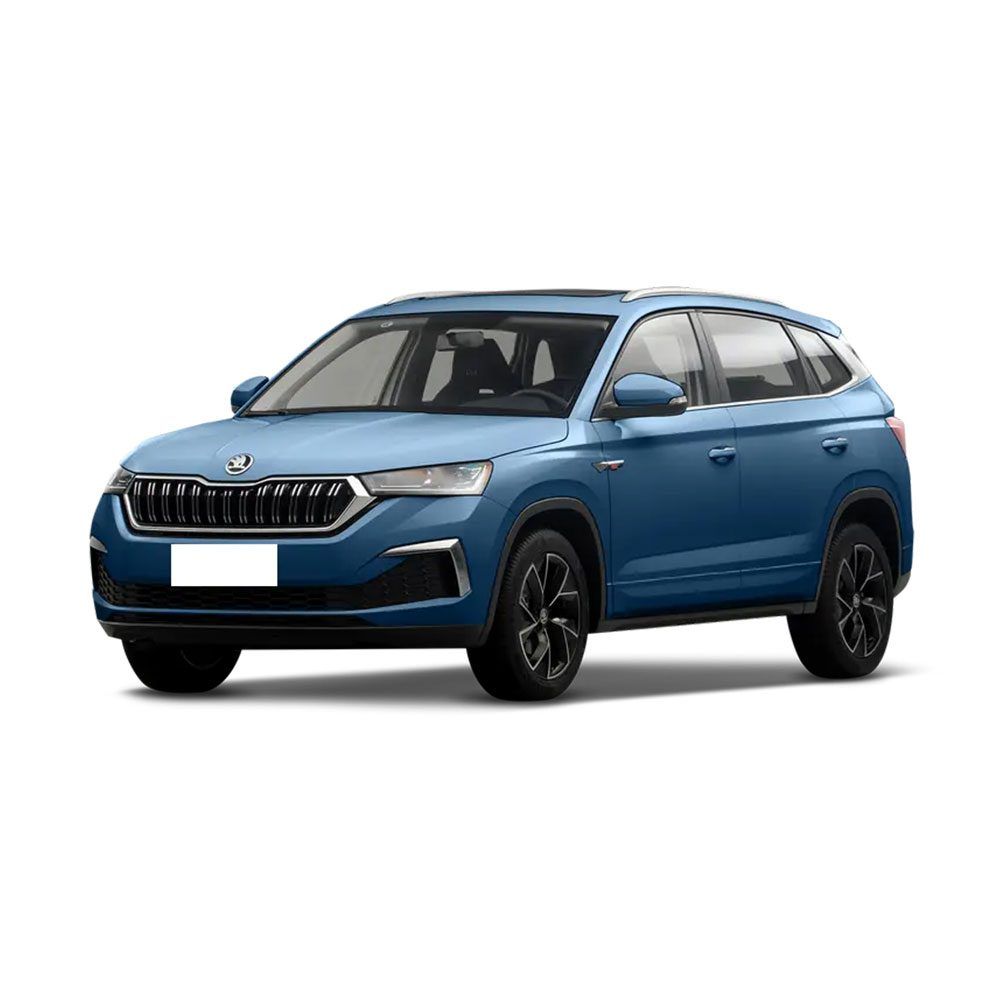
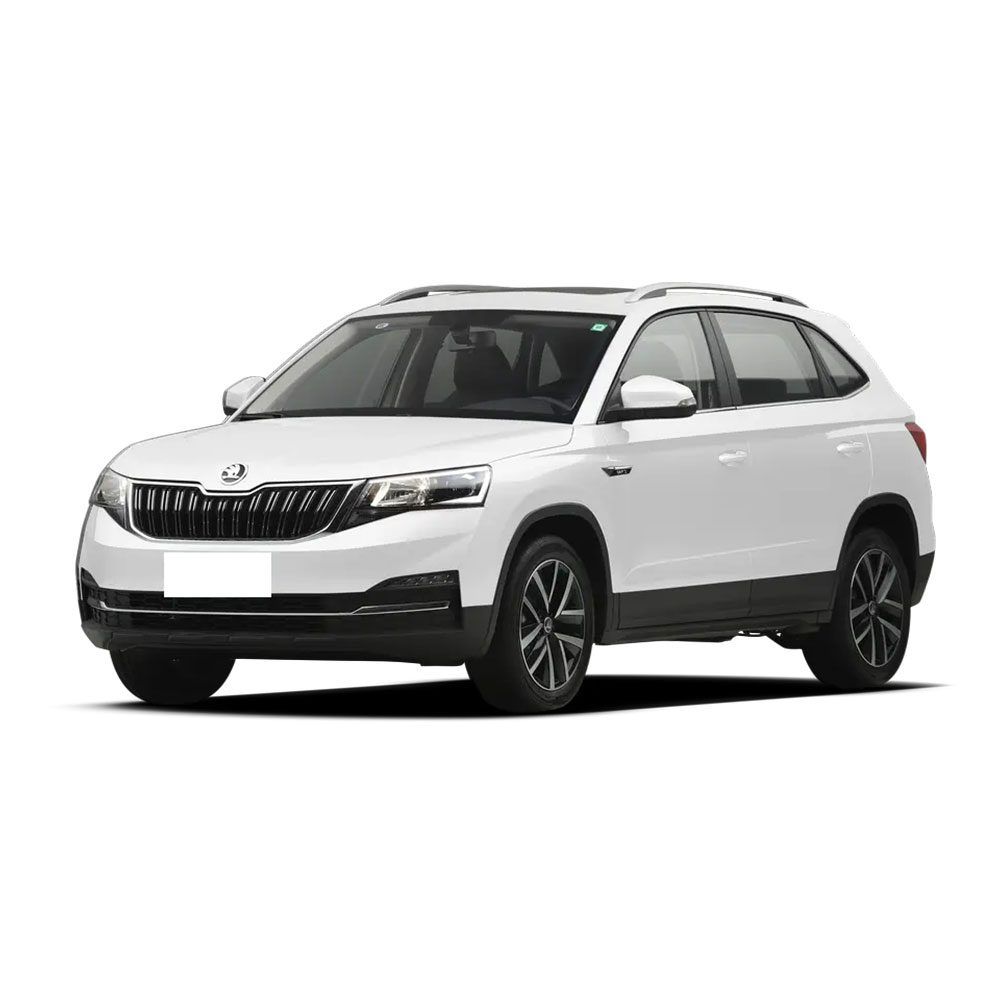
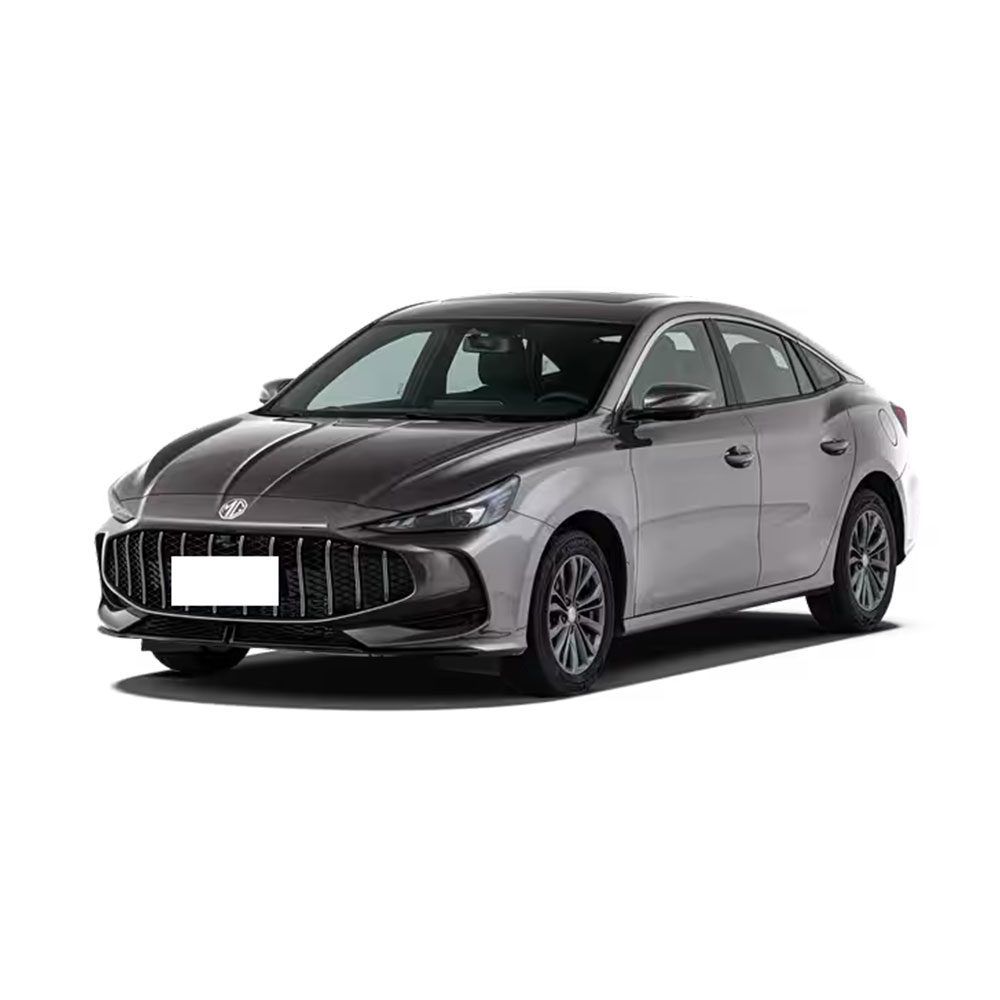
Chinese brands have already reached the world’s forefront in charging technology. Whether in mainland China itself, or in models available through Chinese cars for sale to Europe, Australia, Southeast Asia, and beyond, they all demonstrate astonishing charging performance.
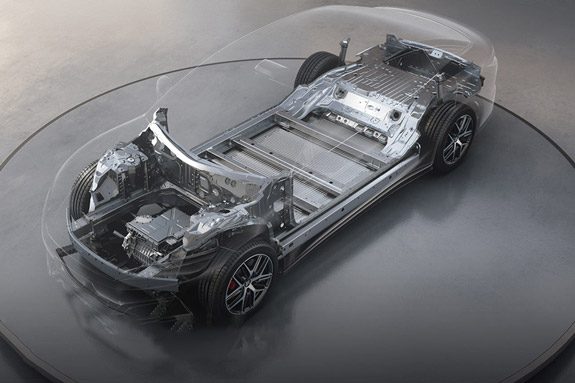
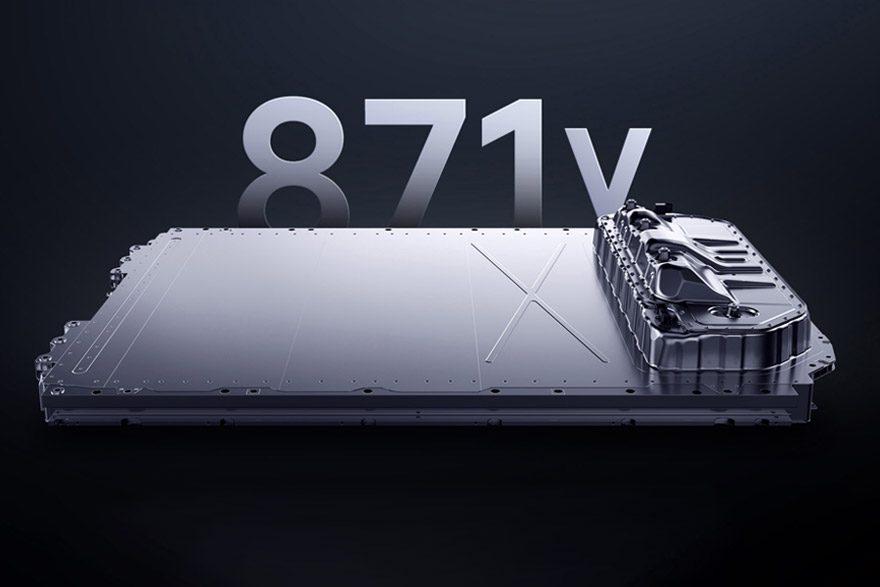
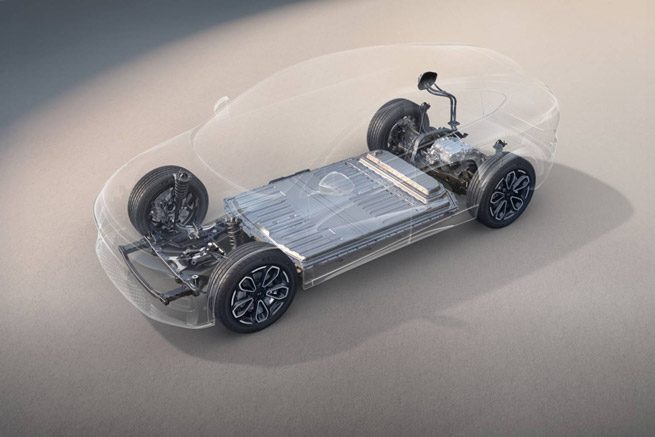
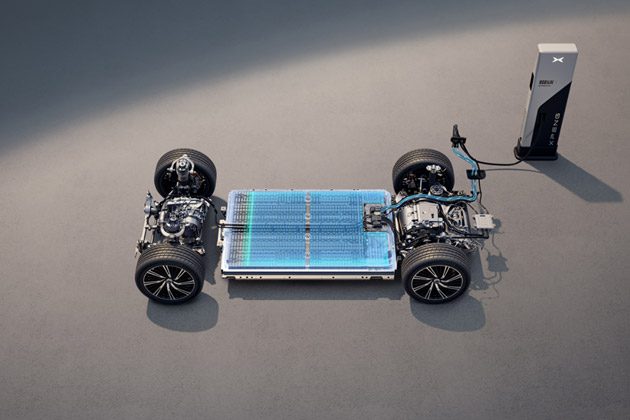
South Korean brands are also actively improving charging speeds to meet global market demands.
Facing the strong rise of Chinese brands, traditional European and American automakers are also accelerating their deployment of higher-power charging technology.
Below is a simplified comparison table of the performance of mainstream fast-charging models globally in 2026. It provides a quick reference for you:
| Model | Peak Charging Power | 10%-80% Charging Time | Core Technology |
| Xpeng G9 | 525 kW | 12 minutes | 800V + 5C Ultra-fast AI Battery |
| BYD Han L EV | 1000 kW (1 MW) | 9.5 minutes | Flash-charging Blade Battery, 1000V Architecture |
| Zeekr 007 | ~500 kW | 10.5 minutes | 800V Architecture, High Rate Battery |
| Xiaomi SU7 Max | 600 kW | 15 minutes (adds 510km) | 800V Platform |
| Porsche Cayenne Electric | 400 kW | Not detailed | 400V/800V Technology |
| Tesla Model 3 | 250 kW (V3 Supercharger) | ~30 minutes | 400V Platform, Mature Battery Management |
Data based on different testing standards, for reference only. Actual performance is affected by factors like charging station and temperature.
While the vehicle’s own technology is crucial, charging infrastructure also limits charging speed. In countries like Germany, public charging stations currently typically cannot provide power exceeding 400kW. This contrasts with the more advanced ultra-fast charging piles deployed in places like China and Norway.
To truly get these speed demons, which “drink electricity like water,” running effectively, automakers and charging operators are accelerating the deployment of ultra-fast charging networks globally. For example, BYD plans to install hundreds of megawatt-level charging stations across Europe to support the launch of its high-end models. Operators like IONITY have also activated charging stations with power up to 500kW in places like Norway.
In the past, when overseas consumers mentioned Chinese cars, they often associated them with “low price.” But today, the situation has fundamentally changed. As brands like BYD, Xpeng, and Zeekr feature their most advanced fast-charging technology in Chinese cars for sale worldwide, the perception of overseas consumers has been completely overturned.
In Australia, the upgraded Xpeng G6 and G9 boast extreme charging speeds. They have led local media to exclaim the results are “record-breaking.” In Uzbekistan, the BYD Song EV has become the preferred choice for the local middle class and government officials. It is priced at around 220,000 RMB (approximately $30,400 USD based on local market pricing) and is considered a mid-to-high-end vehicle. In Europe, sales of Chinese cars surged by over 99% last year compared to the previous year. Monthly sales in December reached an astonishing 109,800 units. As one Chinese car dealer spending the New Year overseas noted, overseas clients’ perception of Chinese cars has shed the old label of low quality and low price.
Chinese automakers have mastered core technologies across the board—batteries, electric motors, and electronic controls. By manufacturing their own batteries and developing their own management systems, they can iterate rapidly. They launch hardcore technologies like 5C ultra-fast charging and Blade Batteries.
In summary, Chinese brands undoubtedly occupy a dominant position among the world’s fastest-charging electric vehicle lineup in 2026. From Xpeng’s 525kW to BYD’s 1000kW, these figures not only represent technological heights. They also signal that the era of electric vehicles completely surpassing fuel vehicles has arrived.
However, as experts point out, the second half of the charging technology competition will shift from a pure “speed race” to “experience optimization.” How to sustain high-power charging for longer, how to deploy a wider ultra-fast charging network, and how to maintain speed in extremely cold environments will be the problems all automakers need to solve next. But regardless, for consumers, this is undoubtedly the best era—charging anxiety is becoming a thing of the past.

