


2026 Hyundai Palisade Hybrid Review: A Smarter Three-Row SUV for Families
The Cadillac Optiq, General Motors’ luxury electric newcomer, made its global debut in China at the end of 2023. Locally produced by SAIC-GM in Wuhan, it was subsequently rolled out to global markets including North America, Australia, and the Middle East. The Tesla Model Y, on the other hand, has long been a “phenomenon-level product” in the EV world — by the first quarter of 2026, the Model Y had clinched the title of the world’s best-selling pure electric vehicle for three consecutive years, with cumulative sales surpassing four million units. Its Shanghai Gigafactory alone delivered 213,000 vehicles in the first quarter, representing a year-on-year increase of 23.5%.
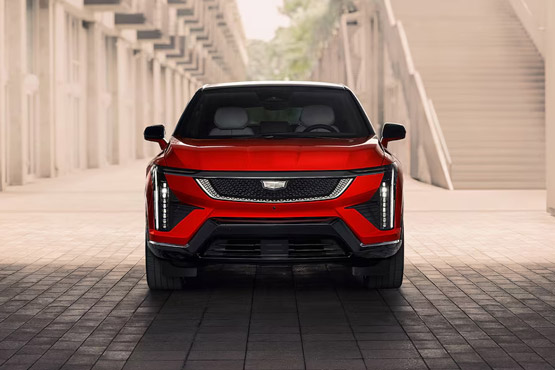
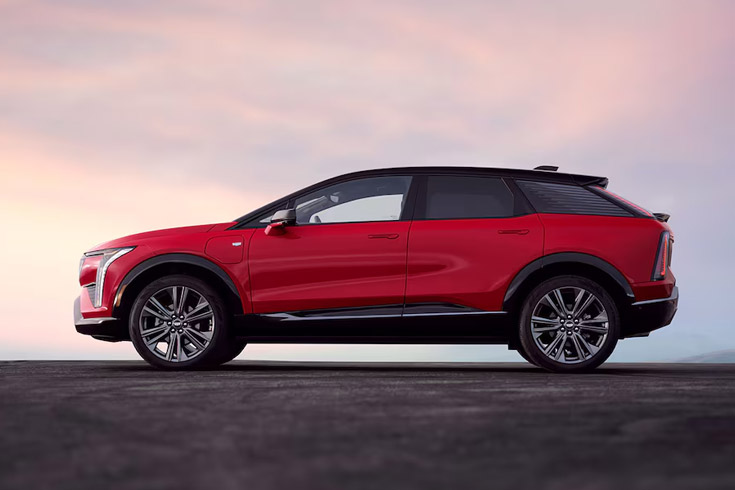
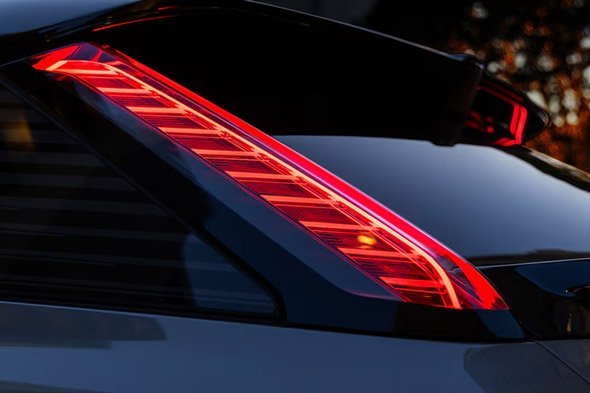
Notably, the role of Tesla’s Shanghai factory is no longer limited to “Made in China” — it also serves as Tesla’s global export hub, with Model Y vehicles produced there exported to European and Asia-Pacific markets, accounting for half of Tesla’s global production capacity. This “Made in China, Exported Globally” model is a microcosm of the growing global competitiveness of Chinese automotive components.
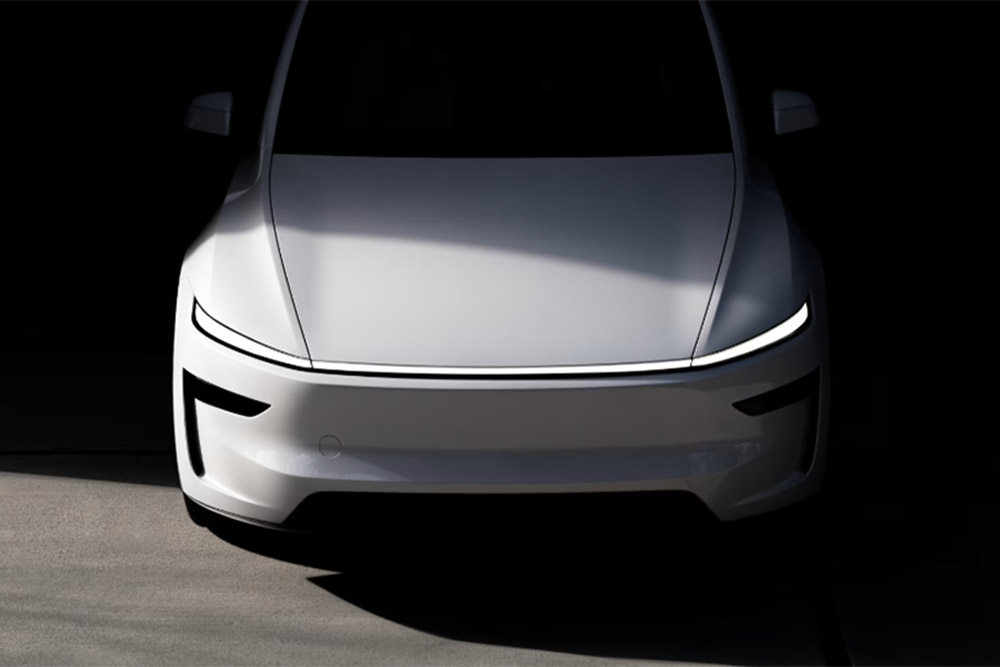
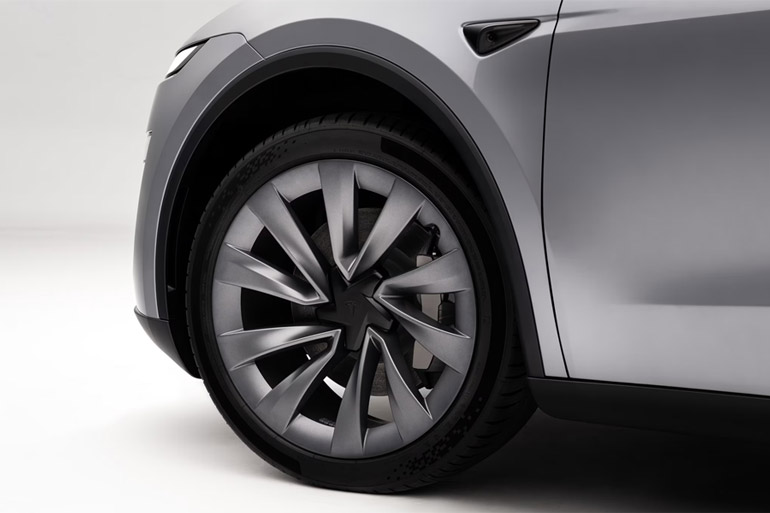
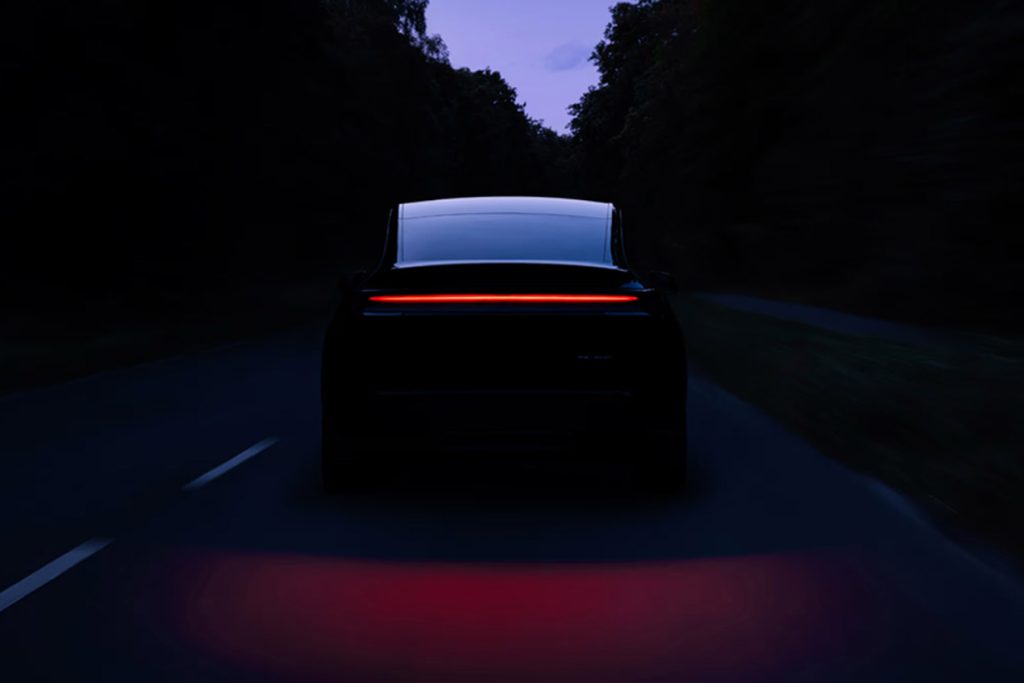
When Cadillac’s all-new luxury electric SUV goes head-to-head with Tesla’s long-standing sales champion, how should consumers choose? This article will provide a global car-buying reference for buyers from different countries, analyzing five dimensions: range, performance, interior, tech features, and price competitiveness.
The 2026 Cadillac Optiq is equipped with an 85 kWh battery pack. Under EPA conditions, the rear-wheel-drive version delivers a range of up to 317 miles (approximately 510 km), while the all-wheel-drive version achieves 303 miles (approximately 488 km). Under the more lenient WLTP testing standards, the range performance is even more impressive, at around 486 km.
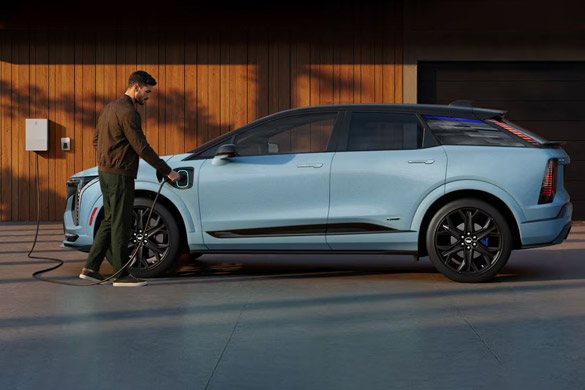
However, vehicle configurations vary across different markets. For example, the Optiq Sport launched in Australia comes only with a 75 kWh battery, offering a range of about 425 km, with real-world range potentially closer to 376 km. This means that in the North American market, the Optiq’s range is satisfactory; but in other regional markets, range data varies depending on battery strategy.
The Optiq’s charging efficiency is likewise mid-tier — it supports 150 kW DC fast charging, adding roughly 94-127 km of range in 10 minutes. While this charging speed is not class-leading, it is more than adequate for daily commuting and short weekend trips.
The Tesla Model Y’s advantage in range is distinct and difficult to shake. The 2026 Model Y Long Range Rear-Wheel Drive version, equipped with 4680 batteries, achieves an astonishing 821 km of range under CLTC conditions. Even under the U.S. EPA standard, the Model Y Long Range RWD version still delivers a result of 357 miles.
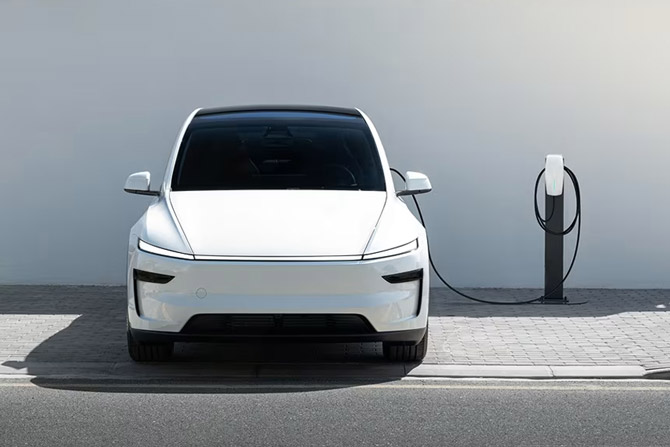
Under the WLTP standard, the Model Y Long Range AWD offers a range of approximately 466-600 km, depending on the battery configuration. The entry-level RWD version has a range of 466 km and is priced under USD 40,000 in the U.S. market.
Even more “hardcore” is Tesla’s Supercharger network. The Model Y supports Supercharging at up to 250 kW, far exceeding the Optiq’s 150 kW limit. A 15-minute charge can replenish about 243 km of range, making long-distance travel vastly more efficient than in the Optiq. Globally, the coverage and reliability of Tesla’s self-built Supercharger network remains a core barrier that other brands still find hard to match.
Winner: Tesla Model Y, with a clear advantage. Tesla leads by a wide margin in both range and charging network. If you live in an area with relatively underdeveloped charging infrastructure or frequently need to drive long distances, the Model Y is clearly the more reassuring choice. For users who primarily drive within the city and have a home charger, the Optiq is perfectly capable.
Cadillac offers power choices ranging from 300 hp to 519 hp for the Optiq. The base version features a dual-motor all-wheel-drive system with 300 hp and a peak torque of 480 Nm, accelerating from 0-100 km/h in about 6 seconds. The high-performance Optiq-V boosts power output to 519 hp, capable of sprinting to 100 km/h in just 3.5 seconds — even 0.2 seconds faster than the Tesla Model Y Performance.
The Optiq-V also comes standard with Brembo six-piston calipers and 390 mm large brake discs, ensuring stability and composure under high-speed braking. Combined with the Passive Plus suspension system derived from GM’s Corvette high-performance models, the Optiq strikes a solid balance between handling and comfort — stable at high speeds and composed when navigating bumps at low speeds.
The Tesla Model Y’s reputation in performance needs little elaboration. The Model Y Performance, equipped with dual motors and all-wheel drive, accelerates from 0-100 km/h in just 3.5 seconds (or 3.7 seconds), placing it in the same league as the Optiq-V. Even the more accessible Long Range AWD version completes 0-60 mph in under 5 seconds, offering ample power reserves for daily driving.
However, the Model Y Performance’s chassis tuning leans toward a firmer style, providing good support during high-speed cornering but filtering daily road bumps less gently than the Optiq. In terms of pure driving pleasure, Tesla’s dual-motor power response is nearly instantaneous; but for long-distance comfort, some consumers may prefer Cadillac’s tuning style.
A tie. The Optiq-V and Model Y Performance are evenly matched in 0-100 km/h acceleration, catering to two different driving orientations: “comfortably fast” versus “hardcore fast.” In daily driving, the Cadillac offers superior ride comfort; under aggressive handling, Tesla’s chassis response is more direct. The choice rests in your hands.
When you open the door of the Optiq, what greets you is an exquisitely designed luxury atmosphere — a 33-inch 9K ultra-high-definition curved screen stretches across the dashboard, capable of rendering over one billion colors, as if bringing a work of art into the cabin. This stands in stark contrast to Tesla’s minimalist, cool interior style.
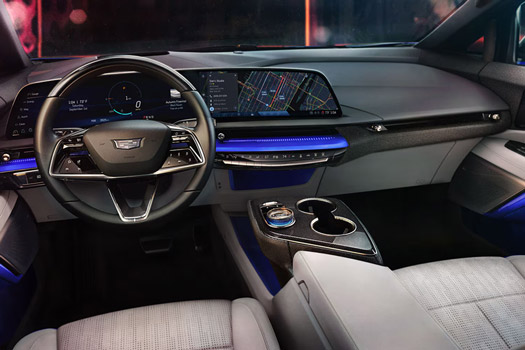
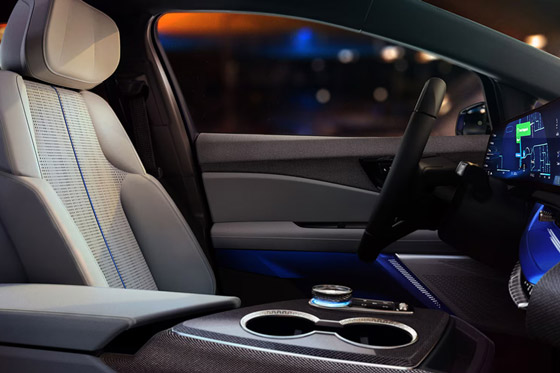
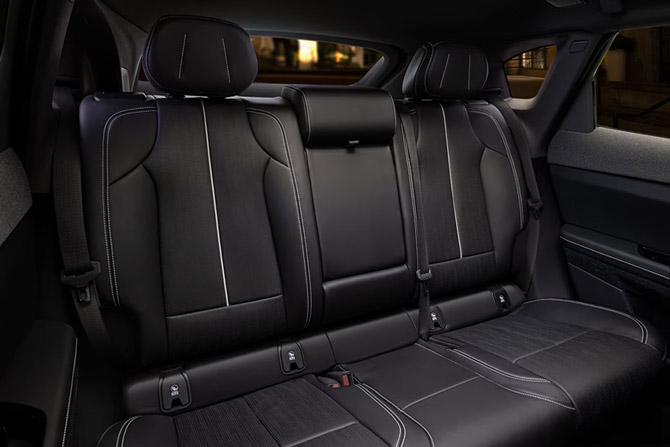
The Optiq’s seats use Ineluxe eco-friendly faux leather, paired with quilting and perforation craftsmanship. The front seats support heating, ventilation, and massage functions, while the rear seats also offer heating. For interior materials, the Optiq extensively uses recycled fiber fabrics and PaperWood composite wood trim — proving that environmental consciousness and luxury are not mutually exclusive.
The sound system is another ace up the Optiq’s sleeve — a 19-speaker AKG Studio system supporting Dolby Atmos, turning the cabin into a mobile concert hall. Additionally, 126-color adjustable ambient lighting, a panoramic sunroof, and wireless Apple CarPlay and Android Auto all make every moment behind the wheel an experience to savor.
The Model Y’s interior is described by Tesla enthusiasts as “minimalist” and criticized by detractors as “spartan.” A 15.4-inch center screen handles almost all functional operations; there is no traditional instrument cluster and no HUD head-up display, so you may need to take your eyes off the road to see speed information.
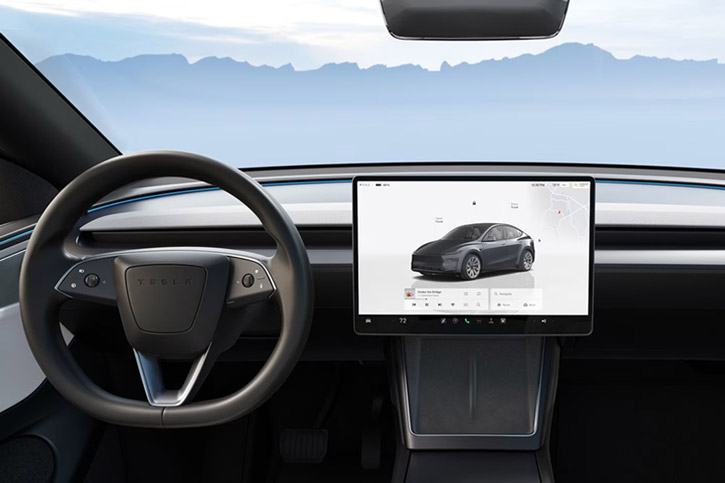
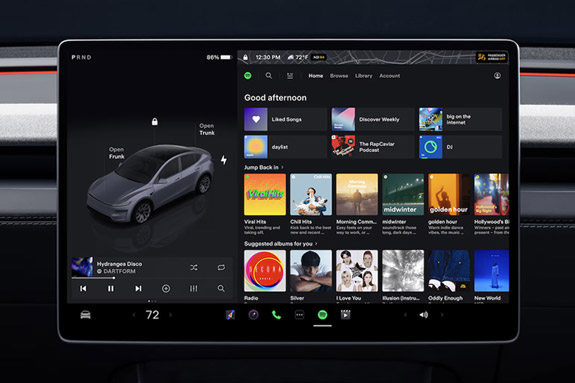
This design philosophy has its pros and cons: on one hand, it creates a clean and uncluttered sense of space; on the other, it sacrifices some convenience and a sense of luxury. That said, the 2026 Model Y has seen improvements in interior materials, using more soft-touch materials, and its NVH sealing performance has been enhanced with the addition of acoustic glass.
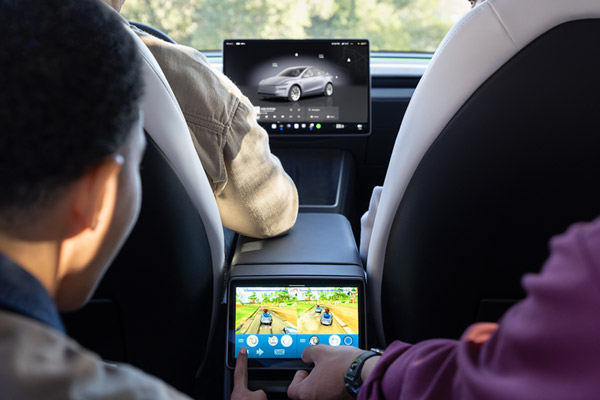
Tesla has also added some unique feature experiences to the interior — such as Camp Mode, in-car gaming, and a theater-level entertainment system. These “software-defined cabin” features may not directly elevate the interior’s sense of luxury, but they add enjoyment and convenience inside the car. Additionally, the Model Y offers an optional seven-seat layout, which is rare among compact SUVs.
Winner: Cadillac Optiq, with a significant advantage. Cadillac represents a tangible “see-it-feel-it” American luxury. From the 33-inch large screen to the 19-speaker AKG audio, from the seat massage function to the 126-color ambient lighting, every detail conveys a sense of opulence. Tesla, by contrast, adheres to functionalism, not playing the game of material textures and light effects, and focuses more on the efficiency of human-machine interaction and the richness of its software ecosystem.
The Cadillac Optiq comes standard with the Super Cruise advanced driver assistance system, which has already achieved L2+ autonomous driving capability on select highways in North America, allowing the driver to completely take their hands off the wheel. Multiple professional reviews rate Super Cruise as superior to Tesla’s Autopilot in terms of ease of use and system transparency. The new car also includes three years of OnStar connected services, covering functions like remote vehicle control and emergency assistance.
In terms of infotainment, the Optiq’s 33-inch 9K curved screen houses Google’s native system, supporting Google Maps, Google Assistant, and the myCadillac mobile app for remote control. However, in some regional models, the Optiq does not support Apple CarPlay and Android Auto, which may be a point of dissatisfaction for users accustomed to phone mirroring.
Tesla’s Autopilot automated driver assistance system has long been an industry benchmark. The 2026 Model Y has been further upgraded to FSD (Supervised), enabling more complex automated driving assistance under the driver’s constant supervision, including automatic lane changes and automatic recognition of traffic lights.
The central 15.4-inch touchscreen is highly responsive, and its over-the-air (OTA) cloud update capability is powerful, effectively enabling the vehicle’s intelligent features to continuously evolve. However, Tesla likewise does not support Apple CarPlay and Android Auto, and the stability and accuracy of its voice control can fluctuate from time to time.
Interestingly, the 2026 Optiq comes standard with a native NACS charging port (i.e., Tesla’s Supercharger interface) across all trims, meaning the Optiq can directly use Tesla’s Supercharger network without an adapter — an important result of GM’s collaboration with Tesla. In terms of charging compatibility, the Optiq no longer lags behind.
Tesla Model Y wins by a slim margin. Tesla still leads in OTA update capability and the functional depth of FSD, while Super Cruise delivers excellent basic driver assistance tasks while paying more attention to the driver experience — each has its own merits. In infotainment, the Optiq’s 33-inch large screen is more impressive, but Tesla’s software ecosystem is more mature.
Price comparisons differ significantly globally. Below is a breakdown by key markets to present the clearest car-buying picture.
The Cadillac Optiq starts at USD 52,395 (including destination charges) in the U.S., with the high-performance Optiq-V starting at USD 68,795. All trims are eligible for the federal EV tax credit. The Tesla Model Y starts at USD 39,990, and even a fully loaded configuration can be kept under USD 60,000.
The price gap is significant — the Optiq costs over USD 12,000 more than the entry-level Model Y. However, for consumers seeking a luxurious interior and Super Cruise, the Optiq’s value proposition in the Premium Luxury trim (starting at USD 54,595) stands out quite strongly.
In the Australian market, the Cadillac Optiq is sold in a single Sport configuration, starting at 80,000 AUD. The Tesla Model Y Premium Long Range starts at 68,900 AUD, while the Performance version starts at 89,400 AUD.
Notably, some Tesla Model Y variants in the Australian market are produced and exported from the Shanghai Gigafactory. The “Made in China, Sold Globally” model gives Tesla formidable cost control capability. At the same time, the Optiq’s pricing in Australia is higher than that of Chinese-brand competitors but lower than rivals like the Audi Q5, BMW X3, and Mercedes-Benz GLC in the same class.
In the Chinese market, the Cadillac IQ Aoge (the Chinese-market version of the Optiq) is domestically produced by SAIC-GM, with a guide price of 239,700–269,700 RMB, making it a highly competitive entry-level luxury electric SUV. The Tesla Model Y Long Range Rear-Wheel Drive is priced at 288,500 RMB, and the Long Range All-Wheel Drive version is priced at 313,500 RMB.
Positioned at a price lower than equivalent fuel-powered luxury SUVs in its class, the Optiq demonstrates a special pricing advantage in China. Meanwhile, Tesla, leveraging the local supply chain advantages of its Shanghai factory, also maintains an extremely aggressive pricing strategy.
Advantages:
Disadvantages:
Advantages:
Disadvantages:
After a comprehensive comparison across the above five dimensions, the answer largely depends on your personal preferences and driving scenarios:
If you pursue a luxurious interior, ride comfort, and a high-end audio experience, choose the Cadillac Optiq without hesitation. The visual impact delivered by the 33-inch 9K large screen, the auditory immersion created by the 19-speaker AKG system, and the composed performance of Super Cruise on the highway make the Optiq a “luxury electric SUV” in the truest sense. In this price range, it is hard to find a competitor that offers more luxury features as standard than the Optiq.
If you need ultra-long range and extreme charging speed, the Tesla Model Y is the only logical answer. Hard metrics like an EPA range of 357 miles and replenishing 243 km in 15 minutes remain unmatched to this day. For users who frequently travel for business or live in areas with incomplete charging infrastructure, the Model Y is the most worry-free choice. Coupled with a starting price of under USD 40,000, the Model Y is almost flawless for consumers who value cost-effectiveness.
In summary, in terms of luxury experience and comfort, the Cadillac Optiq has successfully redefined what an “entry-level luxury electric SUV” can be; in terms of range, charging, and technological ecosystem, the Tesla Model Y remains a formidable global champion. These two cars represent two distinctly different automotive philosophies — American luxury versus Silicon Valley technology — and both are well worth a serious test drive experience.

