


2026 Hyundai Palisade Hybrid Review: A Smarter Three-Row SUV for Families
BMW and Tesla, two giants with fundamentally different philosophies, are defining the future of mobility. BMW is infusing its deep car-making heritage into the electric era, while Tesla is rewriting the rules with disruptive technology.
At the same time, Chinese cars for sale around the world are claiming an ever-growing share, further reshaping the global automotive landscape. Against this backdrop of intensifying global competition, the choice of a luxury electric sedan has become richer and more complex.
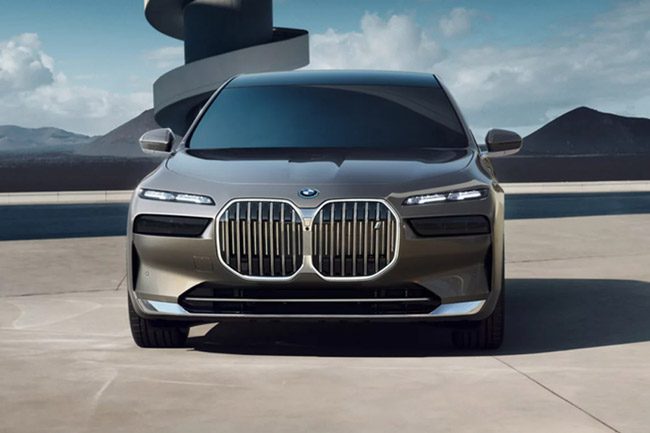
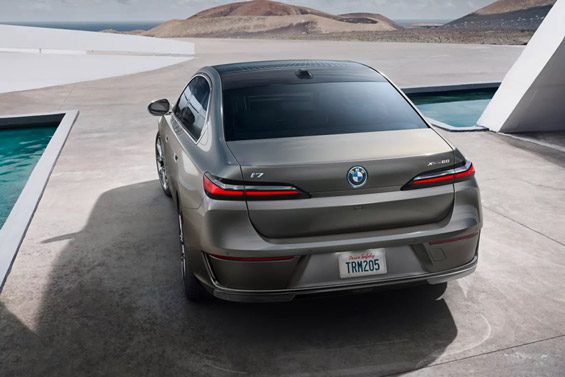
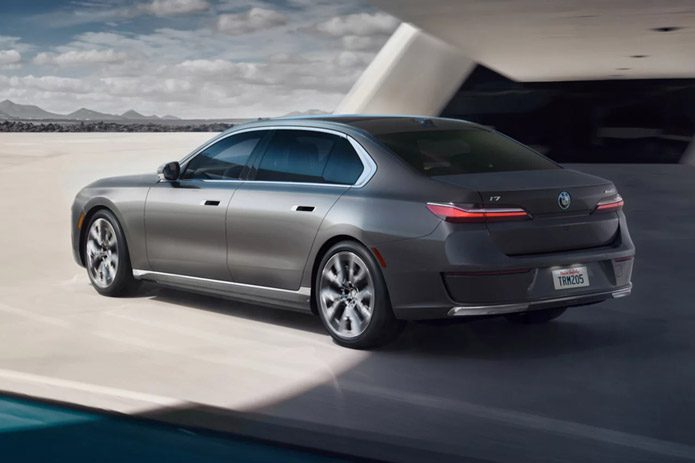
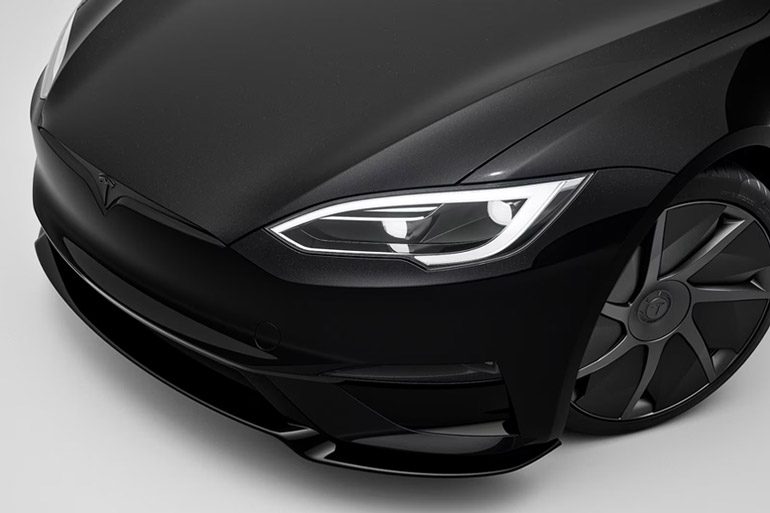
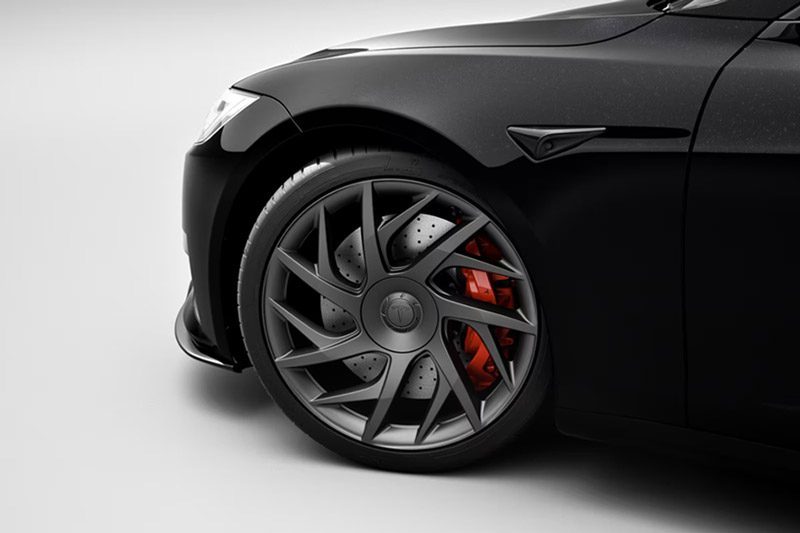
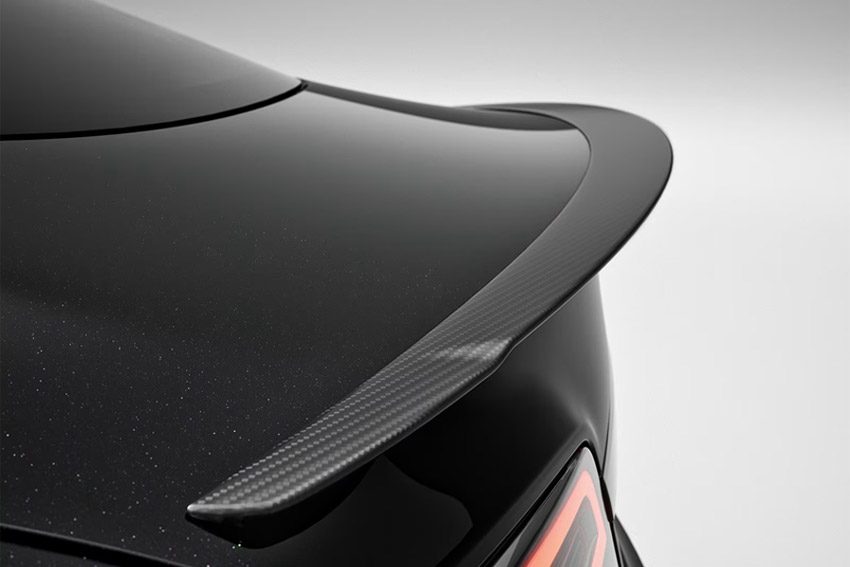
Opting for the BMW i7 means embracing luxury and comfort. Choosing the Tesla Model S represents a pursuit of speed and efficiency. This article will offer an in-depth comparison of the 2026 BMW i7 and the Tesla Model S in terms of driving range, performance and technology features, helping you make the right decision.
Range has always been at the heart of the purchase decision for a pure electric vehicle. In 2026, both cars deliver impressive numbers.
The 2026 BMW i7 has made a major breakthrough in driving range. Based on the all-new Neue Klasse platform, the i7 50 xDrive version can achieve a range of up to 727.4 kilometres, and the i7 60 xDrive version reaches 725.8 kilometres. Even the high-performance M70 xDrive version delivers a range of 685.6 kilometres. It is worth noting that the entry-level eDrive50L rear-wheel-drive version can travel 620 kilometres under the CLTC cycle, while the xDrive60L version offers a maximum CLTC range of 650 kilometres, equipped with a 101.7 kWh slim battery pack.
BMW’s progress in fast charging is equally impressive. The new i7’s DC fast-charging power has been significantly increased from 195 kW to 250 kW. The xDrive60L version can complete a fast charge in just about 0.57 hours, a qualitative leap in charging efficiency compared to the previous generation. To charge from 10% to 80%, the BMW i7 takes only about 34 minutes. In terms of the chassis, the new car is equipped with an upgraded Magic Carpet intelligent air suspension and active comfort anti-roll function, which can adjust the body posture in real time to ensure outstanding ride quality.
The Tesla Model S does not easily relinquish its range crown. The 2026 dual-motor all-wheel-drive version comes with a 100 kWh ternary lithium battery pack, achieving a range of 715 kilometres under the CLTC cycle. Under the EPA standard, the range of the base Model S increases to 410 miles (approximately 660 kilometres), while the Plaid version reaches 368 miles (approximately 592 kilometres).
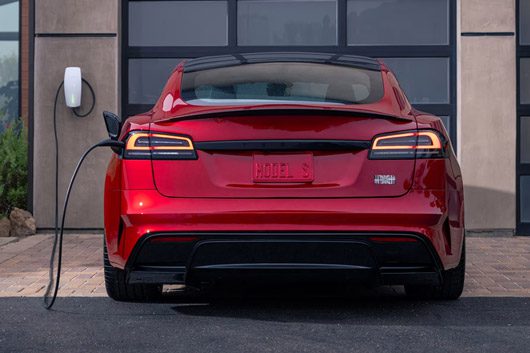
Tesla’s energy consumption control remains excellent. The Model S consumes just 15.4 kWh per 100 kilometres, notably better than the BMW i7’s 18.2 kWh, fully demonstrating Tesla’s deep expertise in the efficiency of its electric drive system. In addition, Tesla’s vast global Supercharger network provides an irreplaceable charging convenience for users – an ecosystem barrier that remains a core advantage no other brand can replicate.
Range Summary: The BMW i7 has achieved a notable catch-up in 2026, especially with its long-range versions approaching or even surpassing Tesla’s CLTC figures. However, with lower energy consumption and an even stronger charging ecosystem, Tesla still holds a certain advantage in real-world use. Its charging network offers wide coverage, guaranteeing long-distance charging convenience.
The power philosophies of the two cars are completely different, and this is precisely what makes their core appeal so fascinating.
Tesla never bows down when it comes to performance parameters. The 2026 Model S dual-motor all-wheel-drive version delivers a combined output of 493 kW (approximately 670 hp) and accelerates from 0 to 100 km/h in just 3.2 seconds. If you seek the ultimate acceleration experience, the Model S Plaid tri-motor version boasts a maximum power of 1,020 horsepower, achieving 0–60 mph in just 1.99 seconds. This figure shatters all previous notions of the performance limits of a four-door sedan.
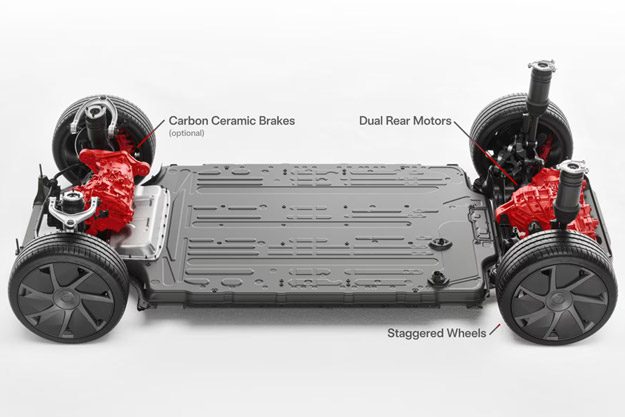
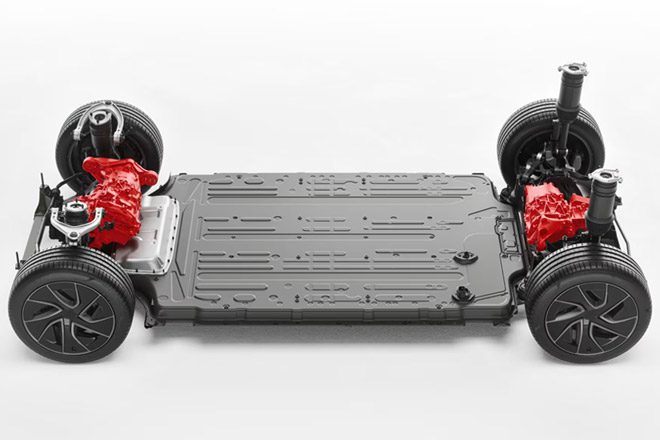
The Model S provides a direct and instantaneous power response; a push of the accelerator delivers a surge of push-back sensation that makes the adrenaline soar. The chassis tuning leans towards a sporty style, offering excellent high-speed cornering stability and an addictively precise steering wheel feel. However, this extreme pursuit also brings some compromises – the suspension is on the firmer side, and vibrations over speed bumps are quite noticeable.
The BMW i7 takes an entirely different path. The xDrive60L version is equipped with front and rear dual motors, producing a combined output of 400 kW, a peak torque of 745 Nm, and a 0–100 km/h acceleration of 4.7 seconds. The high-performance M70 version can deliver 680 horsepower with a massive torque of 1,015 Nm. Although this figure does not beat the Model S Plaid, it already represents a top-tier level in the luxury sedan segment.
What truly makes the i7 stand out is its driving quality. BMW skillfully blends sporty genes with luxury comfort, and the rear-wheel-drive layout makes cornering dynamics more agile. The air suspension filters road bumps at a textbook level – gliding over potholes feels as if stepping on cotton, composed and elegant. It is worth emphasizing that the top speed of the BMW i7 is 235 km/h, while the Model S can reach 240 km/h, a negligible difference. For daily use, such figures far exceed real-world needs.
Performance Summary: If you crave the speed and passion of an adrenaline rush, the Model S is undoubtedly your perfect choice. But if you value driving quality and composure more – that “steady yet powerful” flagship demeanour – the BMW i7 will leave an even more unforgettable impression on you.
If performance and range are a contest of hard power, then technology features reflect a brand’s complete imagination of the future. In this regard, BMW and Tesla embrace completely different philosophies – one pursues extreme minimalism, the other embraces immersive luxury.
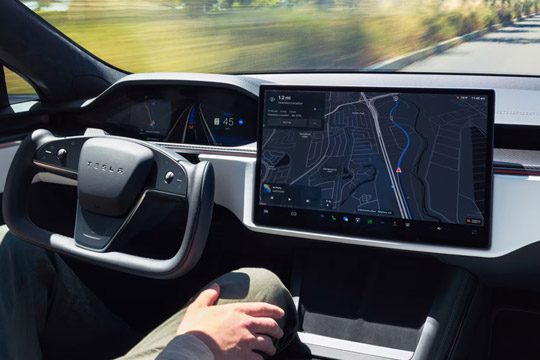
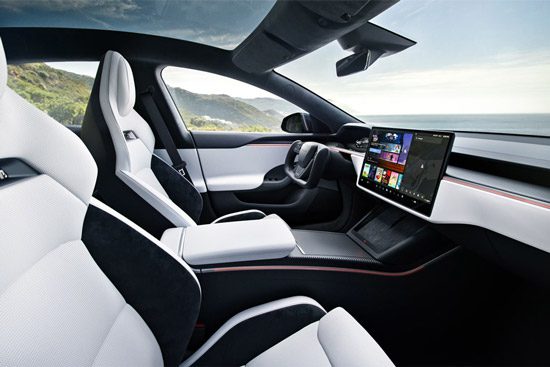
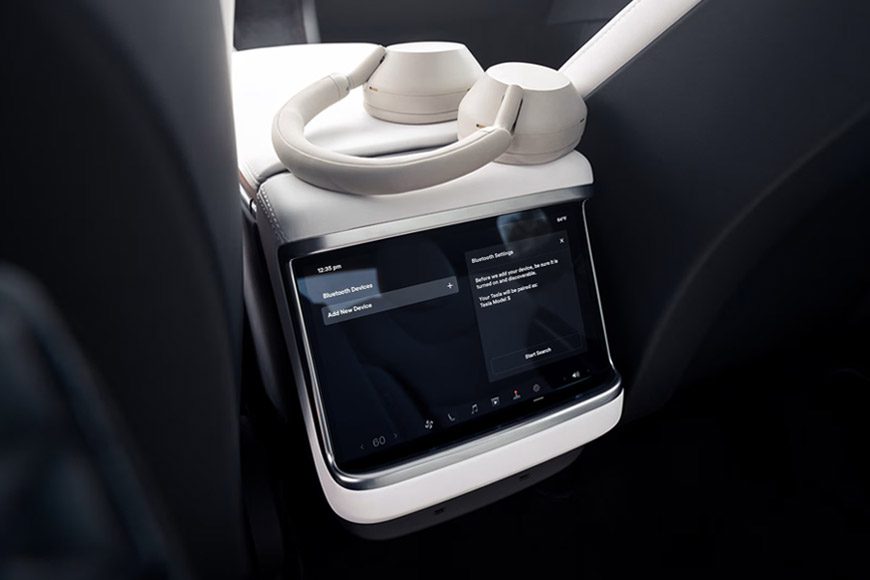
The interior of the Tesla Model S adheres to a minimalist design concept. The heart of the cabin is a massive 17.4-inch landscape touchscreen, paired with a 12.3-inch driver display and a 9.4-inch rear touchscreen. The Yoke steering wheel is full of futuristic flair; although it takes some time to get used to, it feels surprisingly engaging to drive with. The entire cockpit has almost no physical buttons, with all operations performed via the screen, offering an unprecedented interactive experience for tech enthusiasts.
The BMW i7, on the other hand, pushes the smart cockpit to a whole new dimension – the Panoramic iDrive system. This system is comprised of a 43-inch Panoramic Vision head-up display, a 3D head-up display, a 17.9-inch central control screen, and a 14.62-inch front passenger entertainment screen. BMW, in collaboration with Alibaba, has developed an AI digital engine, and the intelligent personal assistant is profoundly empowered by the integration of DeepSeek technology. What is even more surprising is that the system also supports the Huawei HarmonyOS ecosystem, demonstrating BMW’s deep understanding of and emphasis on the Chinese market. The cockpit adopts a visual cone layout, projecting driving information onto a cross-dashboard panel below the windscreen, replacing the traditional instrument cluster and keeping the driver’s attention focused on the road ahead.
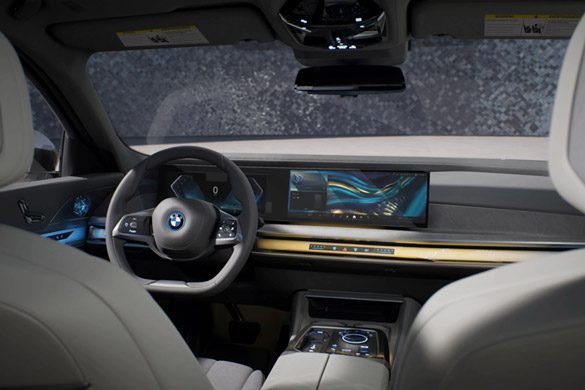
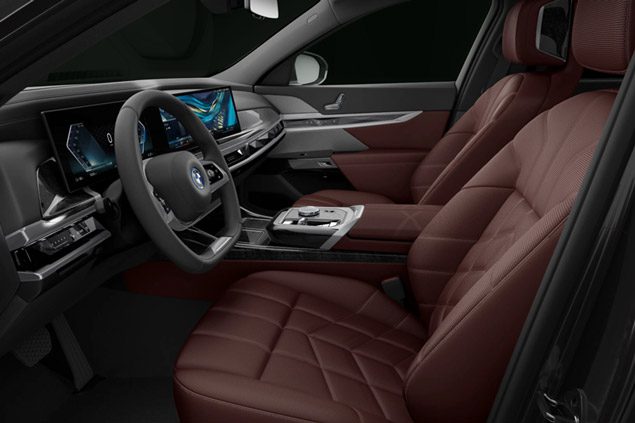
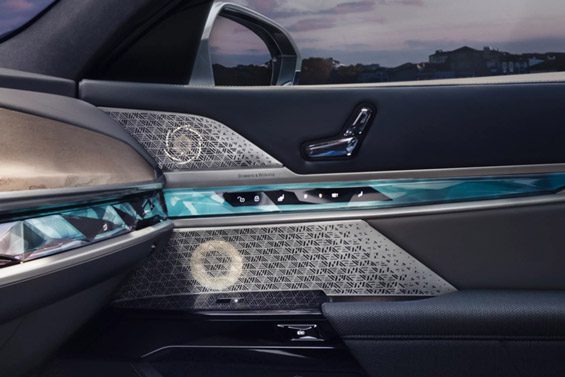
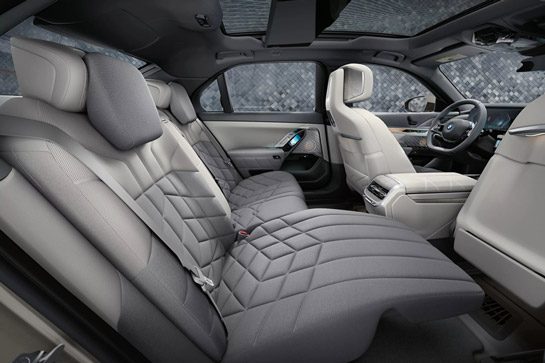
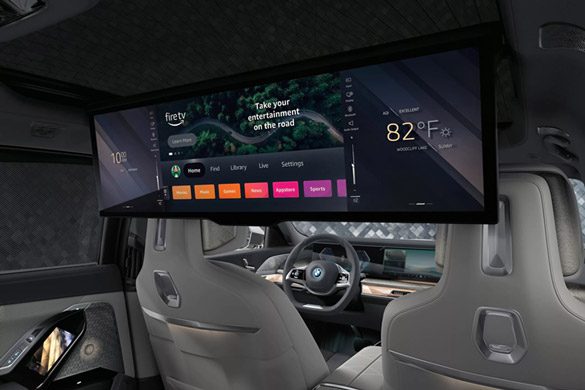
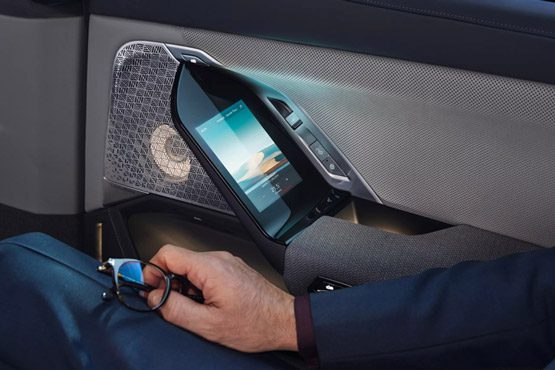
Furthermore, BMW has prepared a 31.3-inch 8K floating theatre screen for rear-seat passengers, combined with a 36-channel Bowers & Wilkins Diamond Surround Sound system, creating the ultimate mobile private cinema experience. The rear executive seats offer a maximum recline angle of 42.5 degrees, complemented by seamless leg rests, elevating comfort to first-class standards.
The 2026 Model S is equipped with the AI 4 chip and the Autopilot system, performing proficiently and decisively in lane keeping and automatic lane changing, with recognition accuracy among the best in the industry.
The BMW i7, in contrast, is fitted with a driving assistance system specifically tailored to China’s complex traffic environment, covering the full range of urban, highway and parking scenarios. Features like reversing assistant and automatic parking are particularly friendly to novice drivers. The new-generation AI-driven BMW driving assistance system is powered by an end-to-end AI large model. The new i7 also adopts advanced large cylindrical battery technology to further enhance energy density.
Technology Features Summary: Tesla leads the aesthetic trend with its minimalist elegance and large-screen interaction, while BMW redefines the standard of luxury with its immersive cockpit and rear-seat opulence. The choice between the two ultimately depends on your personal interpretation of the word “technology”.
After a comprehensive comparison, one conclusion becomes clear: between the 2026 BMW i7 and the Tesla Model S, there is no absolute winner.
The Tesla Model S, with its breathtaking acceleration, excellent energy efficiency and a charging network that is hard to replicate, redefines the upper limits of what a pure electric sedan can achieve. The BMW i7, with its exquisite craftsmanship, immersive rear-seat experience and composed, elegant driving quality, upholds the right of traditional luxury brands to speak authoritatively in the electric era.
It is worth mentioning that the competitive landscape of the global luxury EV market is evolving rapidly. The pace of Chinese cars for sale in global markets continues to accelerate, and a growing number of high-quality Chinese new energy models are pouring into this segment. This means that consumers in 2026 will be presented with an unprecedentedly rich array of choices.
Therefore, the power of choice lies in your hands. If you pursue extreme speed and efficiency, the Model S has everything ready for you. If you aspire to flagship-level luxury and composure, the i7 is waiting for you in the showroom.

