


2026 Hyundai Palisade Hybrid Review: A Smarter Three-Row SUV for Families
Fuel efficiency is one of the most important factors drivers consider when owning a vehicle. Rising fuel costs and increasing environmental awareness have made many motorists look for ways to maximize every gallon of fuel. While most people focus on engine maintenance, tire pressure, and driving habits, one often-overlooked factor is the amount of weight being carried inside the vehicle.
So, does carrying extra weight in your vehicle affect fuel efficiency? The simple answer is yes. Additional weight forces the engine to work harder, which increases fuel consumption. Whether you drive a compact sedan, an SUV, a pickup truck, or one of the many modern Chinese cars for sale, understanding the relationship between vehicle weight and fuel economy can help you reduce operating costs and improve overall performance.
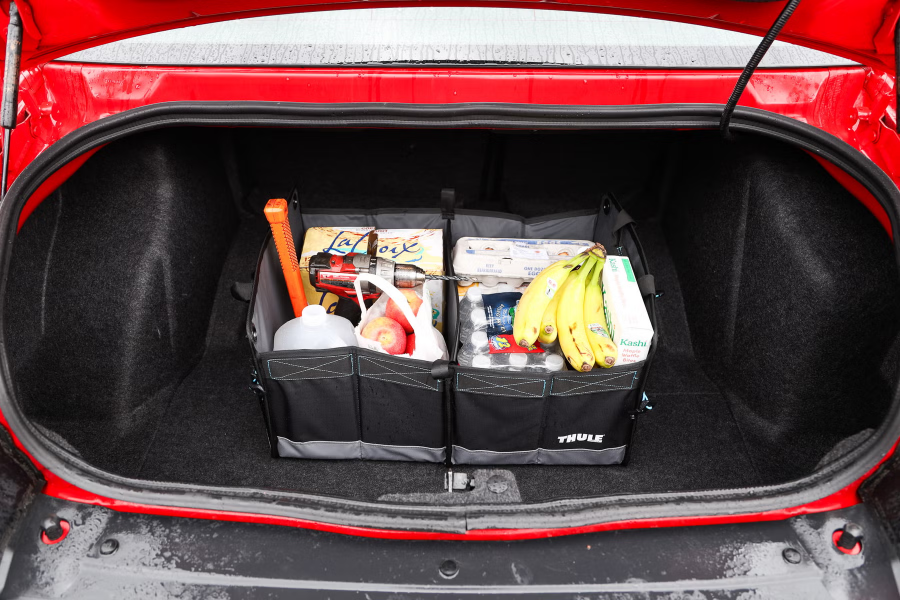
Every vehicle is designed to carry a specific amount of weight, including passengers, cargo, and accessories. When additional weight is added, the engine must generate more power to move the vehicle.
The heavier a vehicle becomes, the more energy it requires for:
Since fuel provides the energy needed to move the vehicle, increased energy demand naturally leads to higher fuel consumption.
In simple terms, the more weight you carry, the more fuel your vehicle is likely to burn.
According to automotive engineers, fuel economy is closely linked to the amount of energy needed to overcome inertia. Inertia is the resistance of an object to changes in motion.
A heavier vehicle has greater inertia, meaning it requires more force to start moving and more energy to reach desired speeds.
This effect becomes particularly noticeable during:
Drivers who regularly carry unnecessary items may unknowingly reduce their vehicle’s fuel efficiency over time.
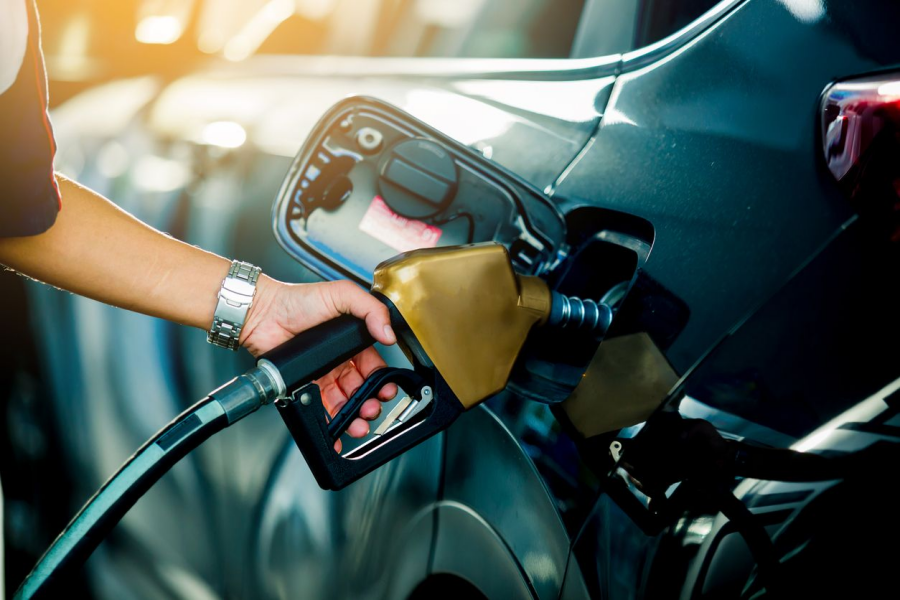
The exact impact depends on the type of vehicle and driving conditions. However, automotive studies have shown that every additional 100 pounds (45 kilograms) of weight can reduce fuel economy by approximately 1% to 2%.
For example:
The effect tends to be greater in smaller vehicles because the added weight represents a larger percentage of the vehicle’s total mass.
The impact of extra weight varies depending on where you drive.

Weight has the greatest effect during city driving because vehicles constantly accelerate and decelerate.
Each time you stop at a traffic light and accelerate again, the engine must work harder to move the added mass.
As a result, drivers who frequently travel in urban areas may experience a larger reduction in fuel efficiency when carrying extra cargo.

On highways, vehicles typically maintain a consistent speed. Since less energy is required for acceleration, the effect of added weight becomes less significant.
At highway speeds, aerodynamic drag often has a greater impact on fuel economy than vehicle weight.
However, excessive cargo still increases fuel consumption, especially during uphill driving.
Many drivers unknowingly carry extra weight every day.
Some common examples include:
Golf clubs, exercise gear, bicycles, and recreational equipment can add significant weight over time.
Contractors and tradespeople often carry heavy toolboxes and equipment that may not always be needed.
While emergency kits are important, oversized or outdated supplies can add unnecessary bulk.
Many people leave boxes, luggage, or personal items in the trunk for months without realizing the effect on fuel efficiency.
Regularly cleaning out your vehicle can help reduce excess weight and improve fuel economy.
Even if you’re not carrying heavy cargo inside the vehicle, roof-mounted accessories can affect fuel efficiency.
Roof racks, cargo boxes, and bicycle carriers create additional aerodynamic resistance.
This increases drag, forcing the engine to work harder, especially at highway speeds.
In many cases, removing an unused roof rack can improve fuel economy more than reducing a small amount of cargo weight.
The relationship between weight and efficiency is not limited to gasoline-powered vehicles.
Electric vehicles also experience reduced efficiency when carrying additional weight.
Extra cargo can:
Many modern Chinese cars for sale now include electric and hybrid models. Owners of these vehicles should pay close attention to cargo weight, as it can directly affect battery performance and driving range.
Reducing unnecessary weight is one of the easiest ways to improve fuel efficiency.
Consider the following tips:
Periodically inspect your vehicle and remove anything that is not essential.
Only carry items you need for your current trip.
Distribute weight evenly and avoid carrying duplicate equipment.
Take off roof racks and cargo carriers when not in use.
Avoid exceeding the manufacturer’s recommended weight capacity.
These simple steps can help improve fuel economy while reducing wear on vehicle components.
Improved fuel efficiency is not the only advantage of carrying less weight.
Benefits also include:
Lighter vehicles respond more quickly when accelerating.
Reduced weight shortens stopping distances and decreases brake wear.
Excessive weight increases pressure on tires, causing faster wear.
Carrying heavy loads regularly places additional strain on suspension components.
Over time, minimizing unnecessary weight can lower maintenance costs and improve vehicle longevity.
Automakers continually work to reduce vehicle weight without sacrificing safety or comfort.
Many newer models use:
Manufacturers offering Chinese cars for sale have also embraced lightweight vehicle design to improve fuel efficiency, performance, and driving range. As a result, many modern Chinese vehicles compete effectively with established global brands in terms of economy and practicality.
Carrying extra weight in your vehicle does affect fuel efficiency. The additional load requires more energy to move, leading to increased fuel consumption, especially during city driving and frequent acceleration.
Whether you drive a traditional gasoline vehicle, a hybrid, or one of the latest Chinese cars for sale, reducing unnecessary weight can improve fuel economy, lower maintenance costs, and enhance overall vehicle performance.By regularly cleaning out your vehicle, removing unused accessories, and traveling with only the items you need, you can maximize efficiency and save money at the pump over the long term.

