


2026 Hyundai Palisade Hybrid Review: A Smarter Three-Row SUV for Families
When summer arrives, many car owners share a common question: why does my car consume significantly more fuel in the summer? Even if you maintain good driving habits, poorer fuel economy in summer is a very common phenomenon. This article will delve into the five core reasons behind summer fuel economy decline and share practical fuel-saving tips to help you effectively reduce fuel consumption in hot weather.
First and foremost, the most direct and influential factor is undoubtedly the vehicle’s air conditioning system.
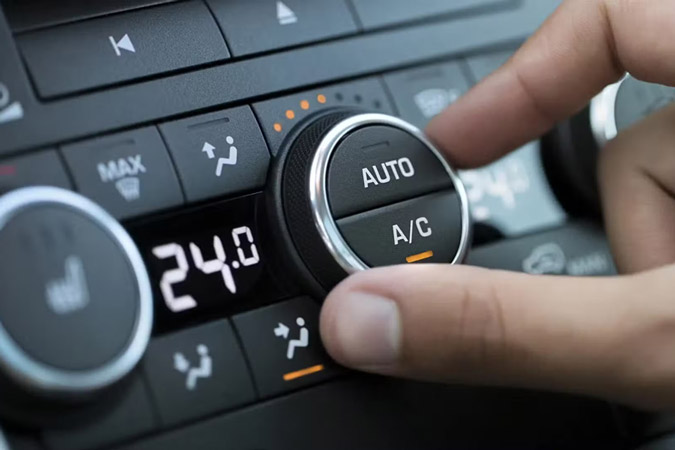
When you turn on the A/C on a scorching summer day, the engine must additionally drive the air conditioning compressor. More importantly, the power of this compressor can easily reach 3 to 5 kilowatts, adding a significant extra load to the engine. This load increase is especially pronounced at low speeds or idle. As a result, to maintain the vehicle’s normal power output, the Engine Control Unit (ECU) has to inject more fuel. In short, this is a direct energy conversion consumption and the primary driver behind soaring summer fuel consumption.
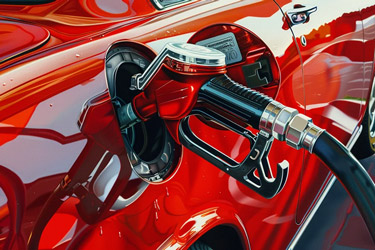
Second, a frequently overlooked but critically important reason is that summer-specific gasoline formulations change.
To protect the environment, gasoline blending is adjusted with the seasons. In summer, to reduce evaporative emissions at high temperatures, refineries lower the gasoline’s Reid Vapor Pressure (RVP). This means reducing the content of highly volatile small hydrocarbon molecules (such as butane) in the gasoline. The result? While this formulation effectively suppresses fuel vapor emissions and protects the atmospheric environment, it comes at the cost of reducing the gasoline’s combustion energy density. In other words, each liter of fuel you pump in summer may contain slightly less energy than in winter. Additionally, high temperatures themselves cause the gasoline in the tank and fuel lines to warm up and decrease in density, meaning you are actually “buying” less fuel mass.
Third, let’s discuss aerodynamics, which many people misunderstand.
Many experienced drivers think, “Running the A/C wastes fuel, so I’ll just roll down the windows.” However, it’s not that simple. At low speeds, driving with windows open is indeed more fuel-efficient than using the A/C. But once the vehicle reaches moderate to high speeds (typically above 60-80 km/h or 37-50 mph), wide-open windows severely disrupt the car’s streamlined design, causing the drag coefficient to spike dramatically. At that point, the fuel consumed by the engine to overcome this massive drag is far greater than what the A/C compressor would use.
At the same time, the physical properties of summer air itself play a role. The higher the temperature, the lower the air density, meaning the air is “thinner.” On the surface, thinner air slightly reduces aerodynamic drag, which is beneficial. But the deeper impact is that it also reduces the amount of air entering the engine’s cylinders, thereby affecting combustion efficiency and forcing the engine computer to adjust fuel injection strategies.
Following the topic of air density, let’s move to the fourth point: the direct impact of high temperatures on the engine itself.
Internal combustion engines rely on drawing in cold air to ensure volumetric efficiency. Cold air is denser and contains more oxygen, allowing for more complete combustion. In contrast, with summer ground temperatures easily exceeding 40°C (104°F), intake air temperatures become extremely high, making the engine prone to “knocking.” To suppress knocking, the ECU actively retards the ignition timing and enriches the fuel mixture to cool the combustion chamber. This series of self-protective actions ultimately leads to a significant drop in thermal efficiency—in layman’s terms, the engine feels weak and wastes fuel.
Furthermore, high temperatures also cause engine oil and transmission fluid to thin out. While lower viscosity helps reduce cold-start wear, during high-load summer operation, excessively thin oil films may lead to insufficient lubrication protection and minor losses in drivetrain efficiency.
Finally, we must turn our attention to changes in driving environment and driving habits.
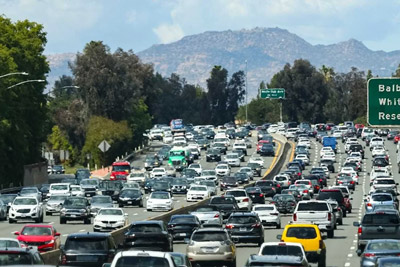
Summer is peak travel season. There are noticeably more cars on the road, and congestion becomes even worse than usual. Frequent stop-and-go, prolonged idling with the A/C on—these extremely unfavorable driving conditions are a disaster for fuel economy. Additionally, many people prefer to drive at night to avoid the scorching daytime sun, but nighttime driving often involves turning on more high-power electrical devices for safety, which indirectly increases the alternator load and consumes fuel.
After reading the five reasons above, you might feel a bit discouraged. But don’t lose heart. While we can’t change the weather, we can certainly turn the tide with some adjustments in driving and maintenance.
In summary, higher summer fuel consumption is a natural phenomenon resulting from multiple combined factors. There is no need to worry excessively that your car is broken. By understanding the principles behind it and developing green driving habits, you can drive farther and spend less this summer.

