


2026 Hyundai Palisade Hybrid Review: A Smarter Three-Row SUV for Families
The Suzuki Swift has long been an iconic model in the affordable hatchback market. It combines a lightweight body, outstanding fuel economy and nimble handling. For decades, it has remained a top choice for drivers worldwide. However, the automotive market in 2026 is undergoing dramatic changes. Chinese brands expand their global footprint at an astonishing pace. They continuously launch models with lower prices, richer equipment and more thorough electrification to seize market share. This wave of competition is fierce. So we have to ask: Does the 2026 Suzuki Swift still deserve the crown of the king of affordable hatchbacks? Let’s break it down step by step from a global perspective.
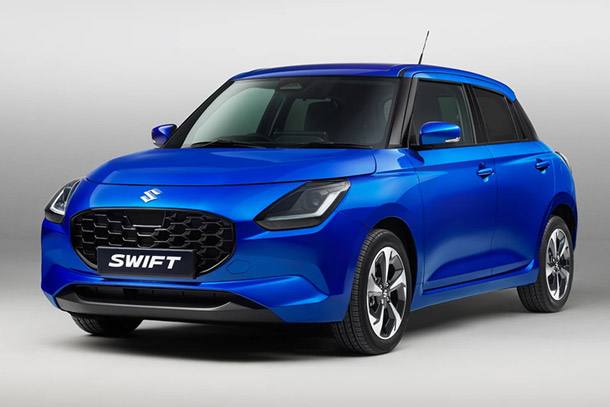
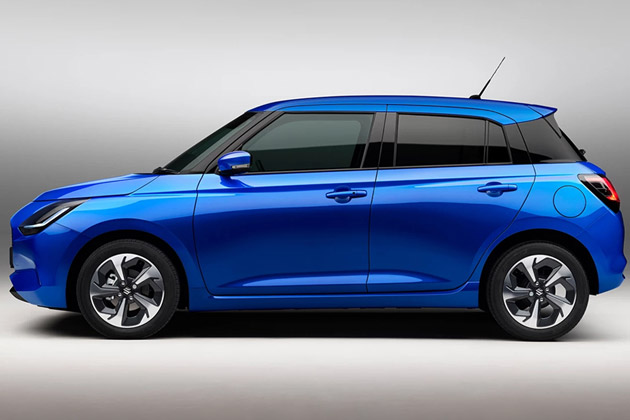
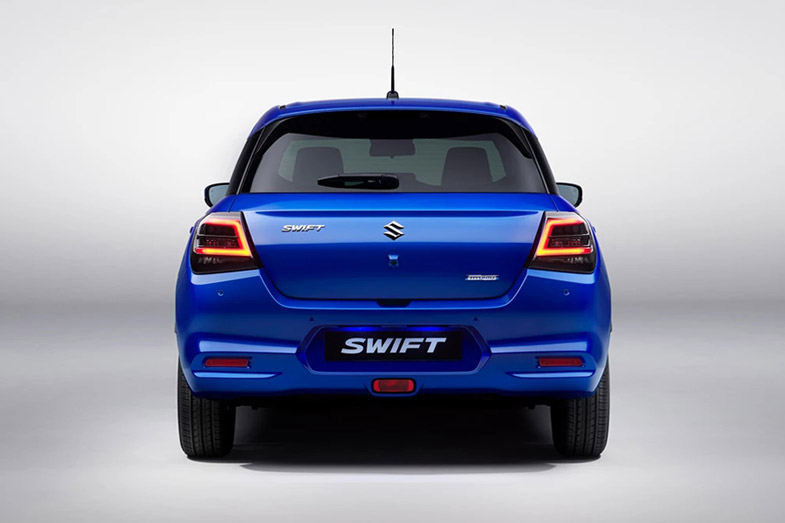
The 2026 Suzuki Swift uses the all-new Z12E 1.2-litre three-cylinder naturally aspirated engine. Its on-paper figures are just 60 kW of power and 112 Nm of torque. These may seem unremarkable. But its greatest highlight is its exceptionally outstanding fuel economy. This engine uses a multi-point fuel injection system and improved thermal management technology. Its official combined fuel consumption is as low as 4.0 to 4.4 L/100km.
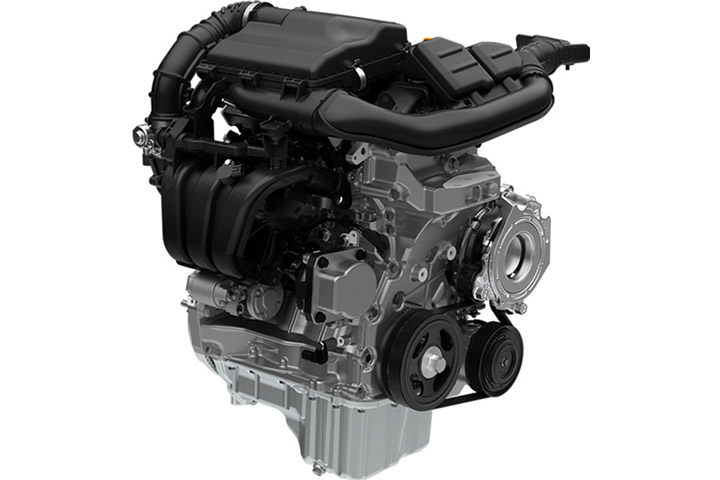
In real-world driving, the Swift’s fuel consumption performance is truly impressive. A long-term test by Top Gear reports that the Swift easily achieves over 56 mpg in daily driving. A full tank costs around £40 and delivers a range of up to 380 miles. In South African media tests, the Swift’s real-world fuel consumption stayed below 5.0 L/100km. The rival MG3 and Volkswagen Polo Vivo in the same test could not match this level. For buyers who want to save every penny on their daily commute, the Swift is an excellent choice. It remains one of the most fuel-efficient cars on the global market today.
Suzuki also offers the Swift as a mild hybrid version (MHEV). This system adds an integrated starter generator and a 12-volt lithium-ion battery pack to the 1.2-litre engine. It provides slight assistance with performance and energy consumption. It is not a full hybrid system in the true sense. Yet its fuel-saving effect is still very noticeable in stop-and-go city traffic.
The 2026 Swift has a kerb weight of just 957 kg. Some variants weigh as little as 908 kg. This is thanks to Suzuki’s new-generation Heartect lightweight platform. The Swift’s steering is light and precise. In corners, the chassis shows a balance that far exceeds rivals in the same class. It keeps body roll well in check. This delivers a pure driving pleasure rare among small hatchbacks. The RAC review also confirms this. It calls the Swift a genuinely enjoyable little car to drive.
Chinese-brand electric vehicles, such as the BYD Atto 1, also target the entry-level segment with fresh, interesting designs. Their battery packs add extra weight. This noticeably reduces handling lightness and cornering agility compared to the Swift. If you seek a man-machine unity driving experience, the Swift’s lightweight combustion solution is still the unmatched benchmark.
Inside the 2026 Swift’s cockpit, you won’t feel luxury. But you will find every function within easy reach. The high-spec GLX variant offers plenty of practical features. You get a 9-inch central touchscreen, Apple CarPlay, Android Auto, satellite navigation, automatic climate control and wireless charging. Its safety equipment also impresses. It provides a full suite of active safety systems. These include six airbags, ESP electronic stability program, autonomous emergency braking (AEB), adaptive cruise control and lane-keeping assist.
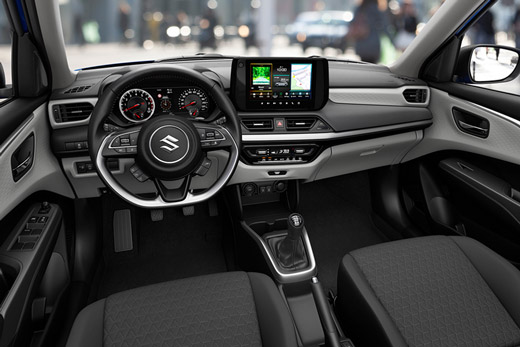
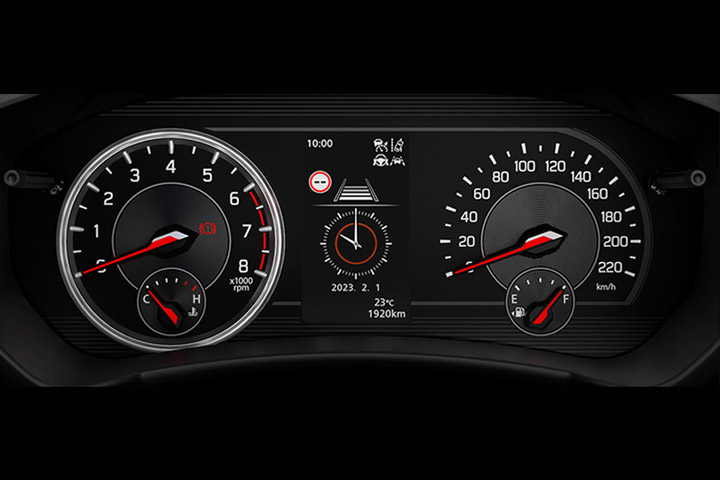
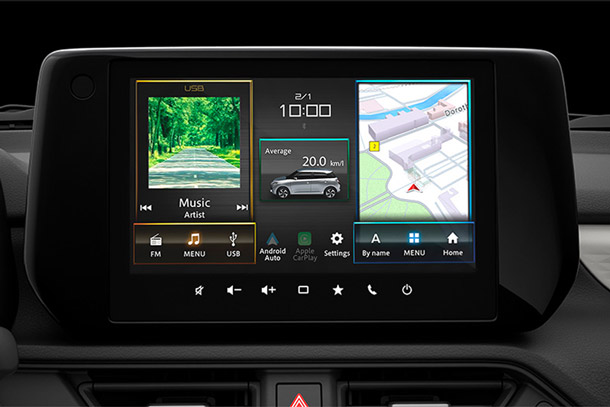
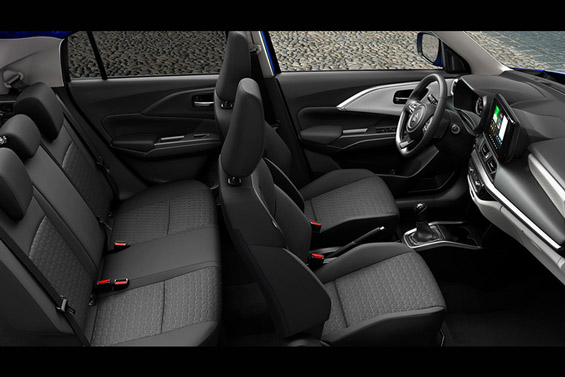
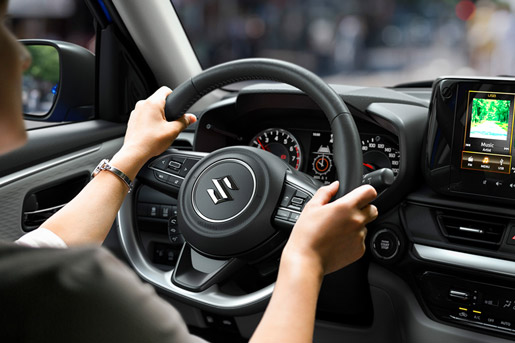
However, the Swift uses hard plastics extensively for its interior materials. In terms of detailed refinement, it lags behind Chinese-brand models at the same price. This is something that deserves rational consideration. Furthermore, the Swift has received only a three-star ANCAP safety rating in some markets. Suzuki states that it has made targeted safety reinforcements. Still, this star figure seems somewhat inadequate. It faces a new wave of Chinese-brand models with even stricter safety standards.
From a pricing perspective, the Swift’s competitiveness varies across different market environments. In the UK, the 2026 Swift starts at £19,699. That is slightly higher than the Renault Clio but lower than key rivals like the Toyota Yaris. In Australia, the Swift’s drive-away prices range from 28,453 to 33,088 Australian dollars. You could say that the Swift’s overall pricing remains within a reasonable range. However, it is no longer the only high-value option in its class. Chinese cars keep flooding in with higher-tech features and ever more competitive prices. As a result, the Swift’s pricing appeal faces unprecedented challenges.
Of course, the Swift is not without its shortcomings. Rear passenger space and boot capacity are relatively small. Interior noise suppression is just average on long journeys. The CVT gearbox shows some delayed response under hard acceleration. Power delivery is on the gentle side. For drivers used to turbocharged or electric cars, the Swift’s acceleration feels a bit flat. Moreover, the three-star ANCAP rating may put off consumers in markets that highly value safety ratings.
In summary, here is our answer. The 2026 Suzuki Swift still leads its segment in two core areas: fuel economy and driving fun. Your top priorities may be exceptional fuel efficiency, low maintenance costs and a pure driving experience. For those, the Swift remains an outstanding and rare choice in today’s market.

