


2026 Hyundai Palisade Hybrid Review: A Smarter Three-Row SUV for Families
Have you ever worried that remote start might harm your car’s engine? Many car owners have this question. If you frequently use remote start in the freezing winter or scorching summer, you may have doubted this as well.
In this article, we’ll dive deep into the relationship between remote start and engine health. More importantly, we’ll help you separate fact from myth.
You simply press a button on your key fob. Your vehicle receives the signal, and then it ignites the engine remotely. The system engages the starter motor, turns the engine over, and the fuel pump begins delivering fuel. This process is exactly the same as when you get in the car, press the brake, and push the start button.
Modern remote start systems use encrypted wireless signals. These signals prevent hackers from stealing your vehicle. Moreover, newer vehicles integrate smartphone apps, turning your phone into a full-featured remote control. Therefore, whether you are at the office or at home, you can easily start the engine.
Key point: Technically, remote start does not cause “extra harm” to your engine. The engine doesn’t care where the signal comes from — it simply executes the starting procedure.
Many people believe that remote start harms the engine. But modern engine engineering has completely resolved this issue.
According to multiple automotive experts and technical centers, there is no credible evidence that occasional use of remote start damages modern engines. Today’s engines are specifically designed to handle brief idling. The concerns that mechanics had in the 1990s simply don’t apply to your current car.
Manufacturers test all remote start systems under extreme conditions. They verify their reliability with thousands of start cycles. They learn from these tests and continuously improve the technology.
However, we still need to pay attention to one fact: extended idling after a remote start can indeed lead to problems.
Imagine a winter scenario. You remote start your car. The engine begins running at low RPMs. But the engine oil is still cold and thick. It cannot flow to all components as quickly as warm oil. Therefore, during a cold idle, internal engine friction increases.
Russian automotive expert Konstantin Ershov also highlights this: If the engine runs at low RPMs for a long time with cold oil, its service life will be shortened. More specifically, if you let the engine run for 15–20 minutes every few hours throughout the night, the engine never reaches its optimal operating temperature. As a result, some fuel may wash the protective oil film off the cylinder walls and dilute the oil in the crankcase. In the long term, there will be more carbon deposits, and the lifespan of the cylinder-piston group will be reduced.
Nevertheless, you can still significantly reduce this risk. Simply follow reasonable usage durations.
Frequent remote starting also increases battery power consumption. Every start requires a large amount of electricity. If you remote start several times in a row without driving long enough for the alternator to fully recharge the battery, the battery will eventually be drained.
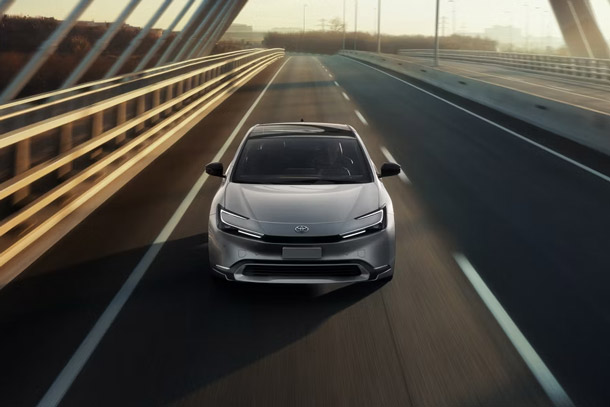
Additionally, some vehicles have experienced special cases. In 2026, the Toyota Prius often failed to remote start in extreme cold. The culprit was a software logic conflict between the EV heat pump and the internal combustion engine, combined with extra strain on the 12V battery.
Also, BMW recalled hundreds of thousands of vehicles in 2026 due to a potential fire risk from the engine starter. BMW specifically stated: “After the engine has been started — especially after a remote start — the vehicle should not be left unattended with the engine running.”
These cases tell us: remote start itself is not the culprit. The real risks come from quality defects and incorrect usage.
In extremely cold climates, remote start becomes almost a “must-have.” Kelley Blue Book clearly points out that remote start can save a small amount of wear on the engine and transmission in severe cold. After all, allowing the oil to circulate and warm up slightly ahead of time does help reduce the shock of cold starting.
However, modern engines actually need less than a minute of idling to warm up before driving. Prolonged idling just wastes fuel.
In scorching climates, the function of remote start is entirely different. Your goal is not preheating but pre-cooling. You start the engine remotely. The air conditioning system begins working immediately. The cabin temperature drops to a comfortable level within a few minutes.
Therefore, the true value of remote start lies not merely in protecting the engine, but even more in enhancing comfort.
Now, allow us to add an important dimension. In the Chinese auto market, remote start has become a mainstream smart feature. Moreover, these vehicles perform exceptionally well under harsh conditions.
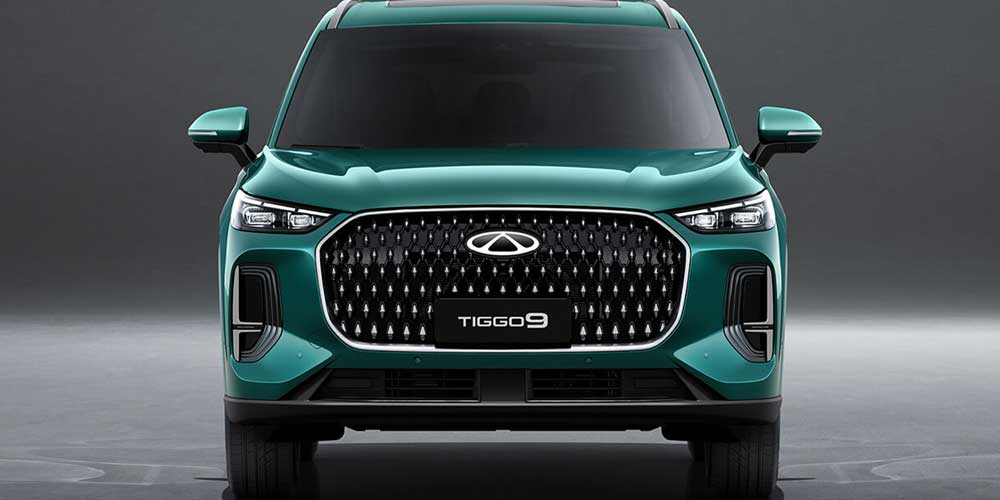
Take the Chery Tiggo 9 as an example. On a cold winter morning, while lying in your warm bed, you open the mobile app and tap “Remote Start.” Your Tiggo 9 quietly starts the engine. It also simultaneously turns on the air conditioning, seat heating, and steering wheel heating. Ten minutes later, as you approach the vehicle, you are greeted by a warm cabin, not a freezing “metal box.”
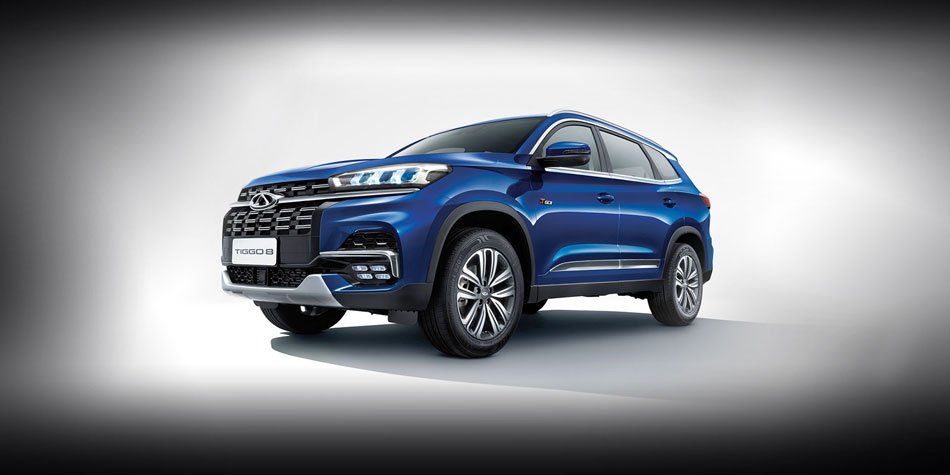
The fifth-generation Tiggo 8 perfectly embodies this convenience: you simply operate it via the mobile app, without having to search for a physical key. From remotely starting the air conditioning before getting in, to the phone automatically connecting once you are inside, to the automatic locking when you leave — the entire process is smooth and seamless.
You only need to follow a few simple principles.
Rule 1: Reasonably control idling time. In winter, preheating is recommended for 3–5 minutes. In summer, cooling also requires a similar duration. Do not develop the habit of “starting in advance and then forgetting about it for half an hour.” This only wastes fuel and increases carbon deposits.
Rule 2: Prioritize factory-installed systems. Factory remote start systems are rigorously tested and fully compatible with the vehicle’s electrical system. In contrast, aftermarket installations, if not done properly, can easily cause short circuits or battery drain.
Rule 3: Maintain your battery regularly. If you frequently make short trips, it is recommended to take a medium or long drive once a week to allow the battery to fully charge. A healthy battery is the foundation for enjoying the convenience of remote start.
Rule 4: Never use it in an enclosed garage. You must use remote start in an open, well-ventilated environment. Exhaust fumes contain carbon monoxide, which can be deadly in an enclosed space.
Rule 5: Consult your owner’s manual. Your vehicle manufacturer knows your car best. The owner’s manual will provide specific recommendations for using remote start.
So, is remote start bad for your engine?
You can set this worry aside completely. Modern automotive engineering has perfectly addressed this issue. As long as you use it sensibly, remote start will not damage your engine. On the contrary, in extremely cold weather, it can even slightly reduce cold start wear.
What truly harms the engine is not remote start itself, but poor usage habits. Remember our golden rules: control idling time, choose factory systems, maintain battery health, and never use it in an enclosed garage.

