


2026 Hyundai Palisade Hybrid Review: A Smarter Three-Row SUV for Families
Many drivers have experienced the stressful moment when the fuel warning light suddenly appears on the dashboard. Some people immediately search for the nearest gas station, while others continue driving for miles hoping to save time or money. Although modern vehicles are designed to provide a reserve fuel supply after the warning light comes on, consistently driving with very little fuel left can cause several mechanical and financial problems over time.
Whether you drive a compact sedan, SUV, pickup truck, or are exploring modern chinese cars for sale, understanding the risks of low fuel driving can help protect your vehicle and reduce long-term repair costs.
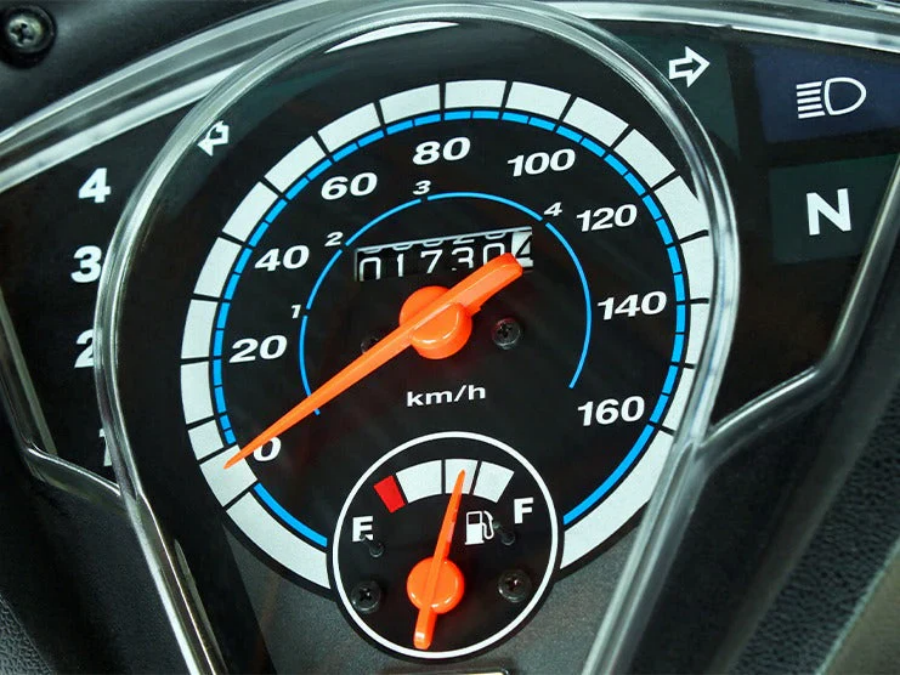
There are many reasons drivers continue driving with a nearly empty tank:
While occasionally driving with low fuel may not immediately damage your vehicle, making it a regular habit can negatively affect multiple engine and fuel system components.
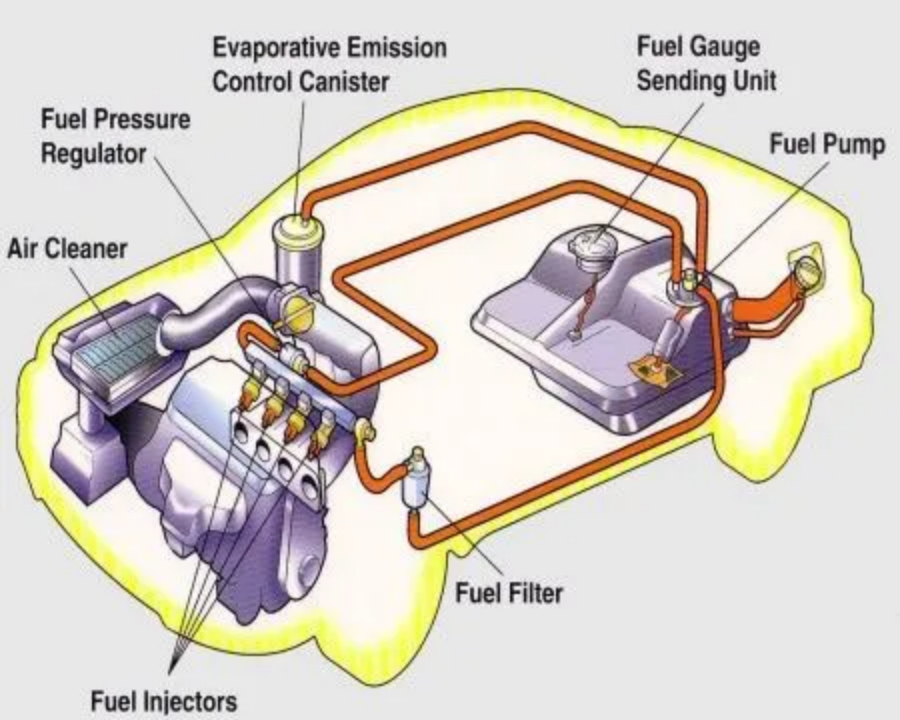
To understand the risks, it helps to know how a vehicle’s fuel system operates. Fuel is stored inside the tank and pumped through fuel lines by the fuel pump before reaching the engine.
In most modern vehicles, the fuel pump is located inside the fuel tank itself. Gasoline surrounding the pump helps cool and lubricate it during operation. When fuel levels drop too low, the pump may no longer remain fully submerged, increasing heat and wear.
This issue can affect all vehicle types, including many modern chinese cars for sale that use advanced fuel injection systems and high-pressure fuel pumps for better efficiency.
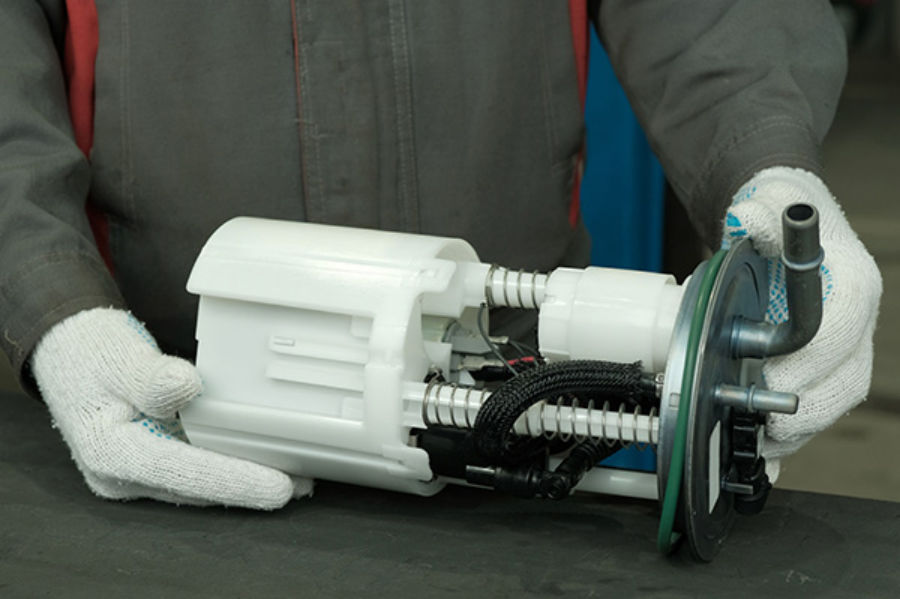
One of the biggest dangers of frequently driving with low fuel is premature fuel pump failure.
Because the fuel pump relies on gasoline for cooling, low fuel levels can cause it to overheat. Over time, this additional stress may shorten the lifespan of the pump and eventually lead to expensive repairs.
Replacing a fuel pump can be costly depending on the vehicle model. Preventing this issue is much easier and cheaper than repairing it later.
Fuel tanks naturally collect small amounts of dirt, rust particles, and debris over time. Most of this material settles at the bottom of the tank.
When fuel levels become extremely low, the fuel pump may draw some of these contaminants into the fuel system. Although fuel filters are designed to trap debris, excessive contamination can clog filters or affect fuel injectors.
Dirty fuel injectors may cause:
Drivers shopping for reliable chinese cars for sale should understand that proper fuel habits are essential for maintaining modern fuel injection systems.

Running extremely low on fuel increases the risk of sudden engine stalling. This can become dangerous, especially during:
If the engine suddenly loses fuel pressure, the vehicle may shut off unexpectedly. In addition to safety concerns, restarting the engine after running completely out of fuel can sometimes require extra steps, especially in diesel vehicles.
Low fuel operation can occasionally contribute to engine misfires, particularly if fuel delivery becomes inconsistent. Repeated misfires may send unburned fuel into the exhaust system, potentially damaging the catalytic converter.
Catalytic converter replacement is often expensive and may cost significantly more than simply maintaining proper fuel levels.
For owners of modern chinese cars for sale, protecting emission system components is especially important because newer vehicles rely heavily on advanced emissions technology.
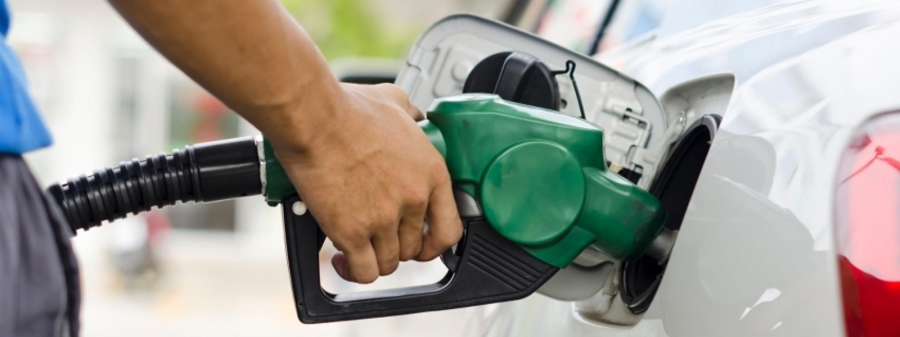
Some drivers intentionally push their vehicles far beyond the fuel warning light because they believe they know exactly how much fuel remains. However, fuel gauges and estimated range displays are not always perfectly accurate.
Factors that influence remaining range include:
A vehicle that normally has 50 kilometers remaining after the warning light appears may suddenly run out sooner under different driving conditions.
Driving with low fuel can become even riskier during hot weather. Higher temperatures may increase fuel evaporation and place additional stress on fuel system components.
In regions with high temperatures, maintaining at least a quarter tank of fuel is often recommended to help keep the fuel pump properly cooled.
This is especially relevant for drivers using chinese cars for sale in tropical or desert climates where long commutes and heat exposure are common.
Hybrid vehicles with gasoline engines can also experience fuel system problems when operated with very low fuel levels regularly. Although hybrids use less fuel overall, their gasoline systems still require proper maintenance.
Fully electric vehicles do not face the same fuel-related risks, but battery range anxiety creates a similar problem. Consistently draining EV batteries to extremely low levels may also affect long-term battery health in some cases.
As more electric and hybrid chinese cars for sale enter global markets, drivers should understand the importance of proper energy management for all vehicle types.
Most automotive experts recommend keeping at least one-quarter tank of fuel whenever possible. This provides several benefits:
While modern vehicles are designed to operate safely after the warning light appears, regularly driving at extremely low fuel levels is not ideal for long-term reliability.
If you frequently drive with little fuel left, watch for these warning signs:
These symptoms may indicate fuel delivery issues that require inspection.
Try to refuel before the gauge drops below one-quarter tank.
Know where fuel stations are located, especially in rural areas.
Sudden drops in mileage could signal fuel system issues.
Proper maintenance helps protect injectors and pumps.
Running until empty may save a few minutes temporarily but risks expensive repairs later.
So, what happens if you keep driving with very little fuel left? While your car may continue operating for a while after the warning light appears, repeatedly driving on an almost empty tank can increase wear on the fuel pump, raise contamination risks, and potentially lead to expensive repairs.
Whether you own a traditional gasoline vehicle, hybrid model, or are considering modern chinese cars for sale, maintaining healthy fuel habits is one of the simplest ways to improve reliability and extend vehicle lifespan.Keeping enough fuel in the tank not only protects your car but also helps ensure safer and more stress-free driving every day.

