


2026 Hyundai Palisade Hybrid Review: A Smarter Three-Row SUV for Families
In 2026, two heavyweight electric models go head-to-head — the all-new Polestar 4, born from Swedish design and manufactured in China and South Korea, and the Tesla Model Y, the global sales champion that has received the “Juniper” mid-cycle refresh. If you’re looking to buy a premium electric SUV, both deserve a place on your shortlist. So, which one is more worth buying?
The answer is not straightforward. The Polestar 4 brings a bolder design, a more luxurious cabin, and a potent 544 horsepower. The Model Y, on the other hand, holds its throne with longer range, a lower price, and the industry’s unrivaled Supercharger network. More notably, as brands like Polestar go global, the surge in sales and exports of Chinese automobiles is reshaping the competitive landscape of the global EV market.
The 2026 Polestar 4 is an all-new model from the Polestar brand, with a design style that sits between an SUV and a coupe. It first went on sale in the United States in December 2025, making 2026 its first full sales year in the North American market. The 2026 Tesla Model Y “Juniper” is a significant mid-cycle refresh of an existing model, bringing a new exterior design, an upgraded suspension system, and a more refined cabin.
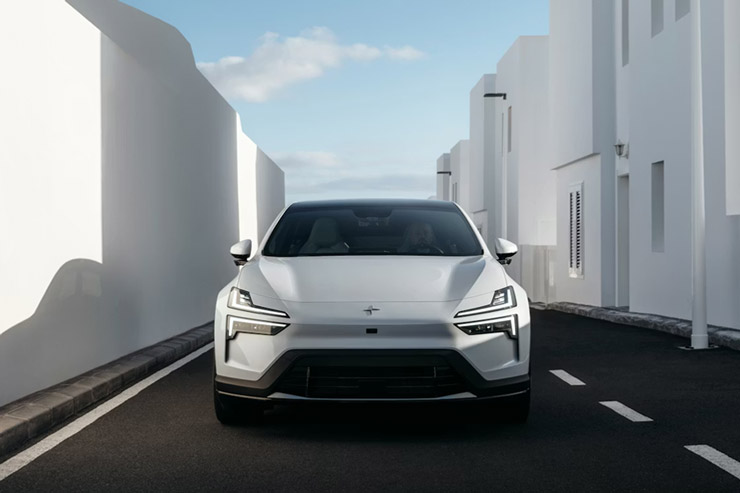
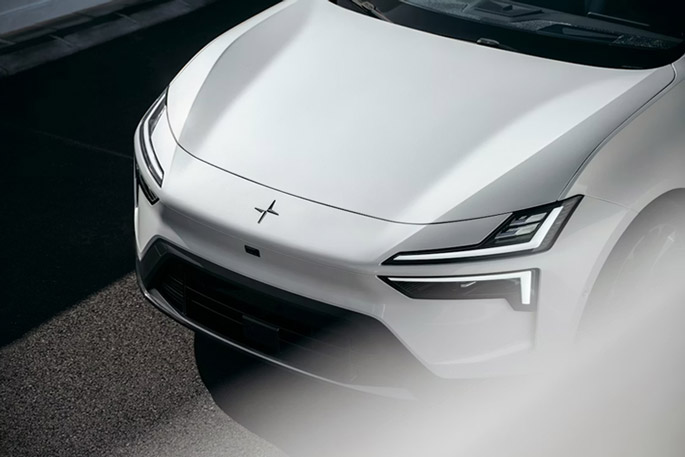
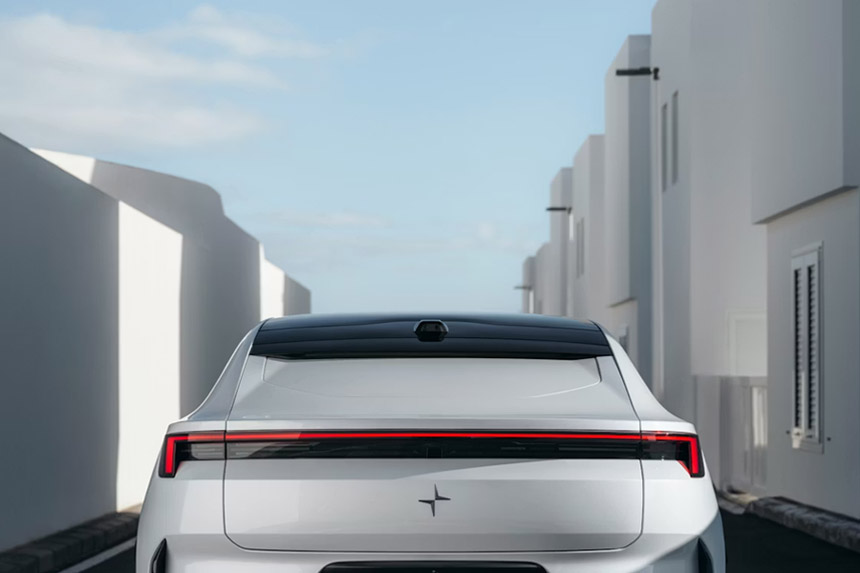
However, the manufacturing backgrounds of these two cars are quite different. The Polestar 4 is owned by Chinese auto giant Geely Group. It was initially produced in Hangzhou and later shifted to assembly at the Busan plant in South Korea for sale in North America, a move designed to circumvent high tariffs on Chinese-made electric vehicles. The Tesla Model Y, on the other hand, is an American-branded, American-made EV that offers a distinctly different value proposition. From a global perspective, as the total sales of Chinese automobiles surpassed 8.32 million units in 2025, the Chinese auto industry is going global at an astonishing pace.
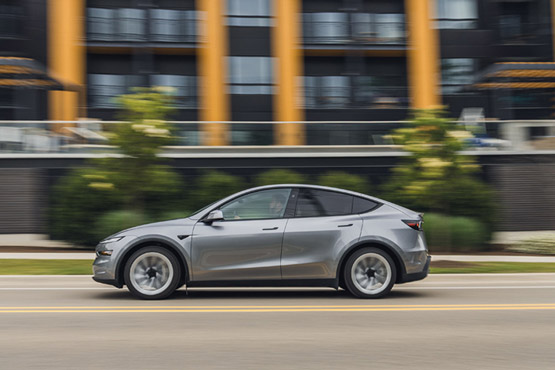
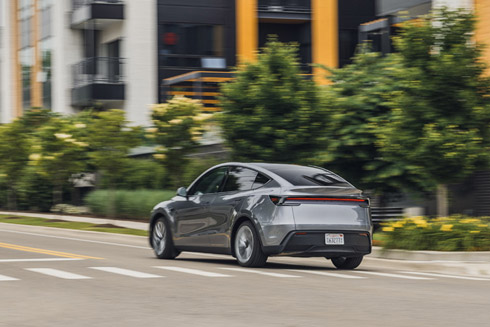
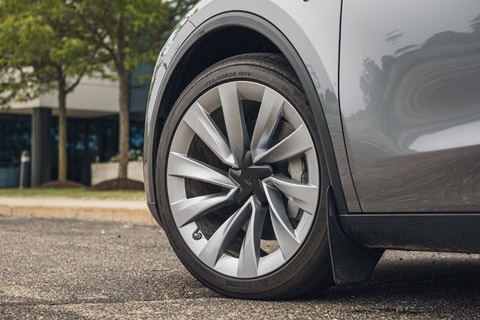
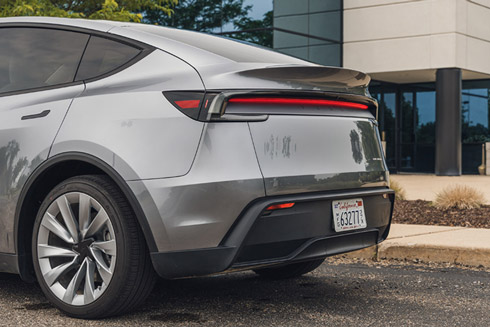
The Polestar 4’s 544-horsepower dual-motor all-wheel-drive system delivers a massive 506 lb-ft of torque, launching from 0-60 mph in just 3.4 seconds. This result is quicker than a BMW M3 and even slightly edges out the all-electric Porsche Macan 4S. However, its curb weight reaches approximately 5,200 lbs (about 2,359 kg), roughly 800 lbs (about 363 kg) heavier than the Model Y.
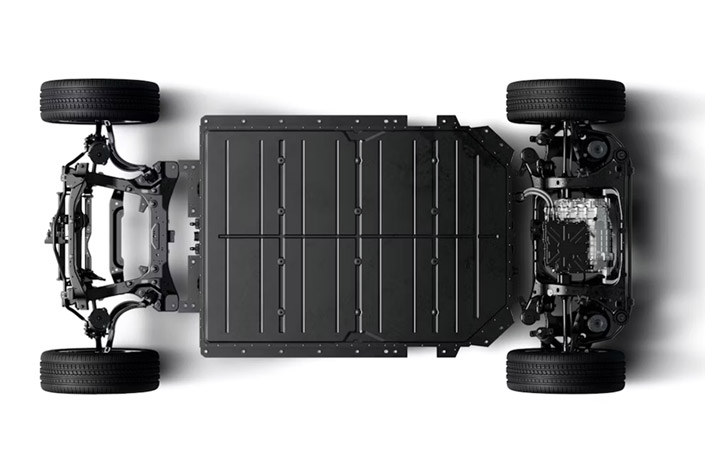
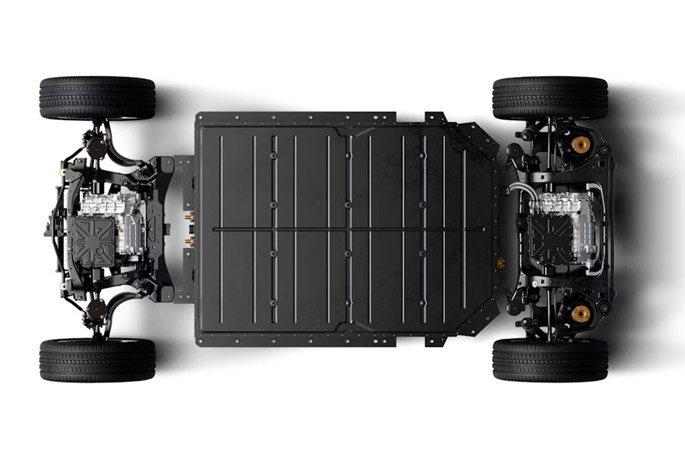
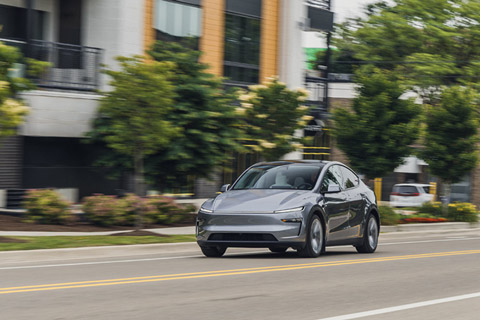
Tesla’s trick lies in using less horsepower to achieve greater real-world acceleration. The Model Y “Juniper” Long Range AWD’s 397 horsepower looks inferior on paper, yet it completes the 0-60 mph sprint in just 3.8 seconds. This is because its lighter curb weight and mature electric powertrain system play a key role. Therefore, in everyday driving, the sense of speed between the two is not far apart.
If you’re chasing sensory thrills, the Polestar 4 is the top choice. If you value the overall performance advantage brought by efficiency, the Model Y’s engineering prowess is more solid. Additionally, the Polestar 4 also excels on the track, running the quarter-mile in 12.4 seconds and achieving 0.88g of grip in the figure-eight test, surpassing the all-electric Porsche Macan 4S.
The Polestar 4 comes standard with a 100 kWh battery pack and offers three versions:
The Tesla Model Y offers more flexible battery configurations:
In terms of range, Tesla holds a clear advantage. Under WLTP conditions, the Model Y Long Range version can achieve up to 391 miles (approx. 629 km), significantly leading the Polestar. In real-world tests, the Polestar 4 Performance version only managed 252 miles (approx. 406 km), while the Model Y Long Range achieved 252 miles, both roughly matching their respective EPA ratings.
The gap in charging is even larger. The Polestar 4’s maximum fast-charging power is only 200 kW, and it never exceeded 168 kW in testing, taking 35 minutes to charge from 5% to 80%. The Model Y can access Tesla’s global network of over 50,000 Superchargers with power up to 250 kW, adding 200 miles of range in just 15 minutes of charging. For long-distance travelers, this gap is enough to be a decisive factor.
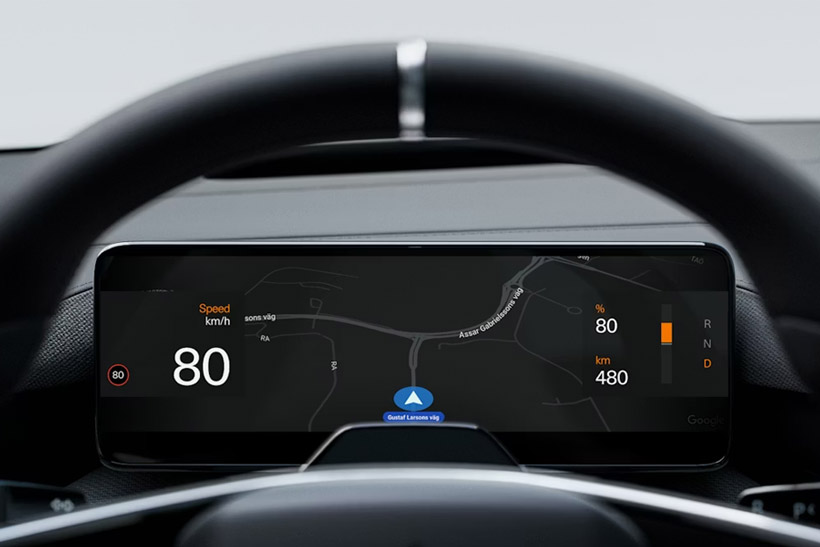
Polestar’s biggest differentiating advantage lies in its truly luxurious cabin. It uses sustainable materials, Nappa leather seats, and refined interior craftsmanship. While it also follows a minimalist screen-centric route similar to Tesla, it retains more physical buttons. A 10.2-inch digital instrument cluster and a 14.7-inch central touchscreen have clearly divided functions, running a native Android Automotive OS and supporting wireless CarPlay, making the user experience very intuitive.
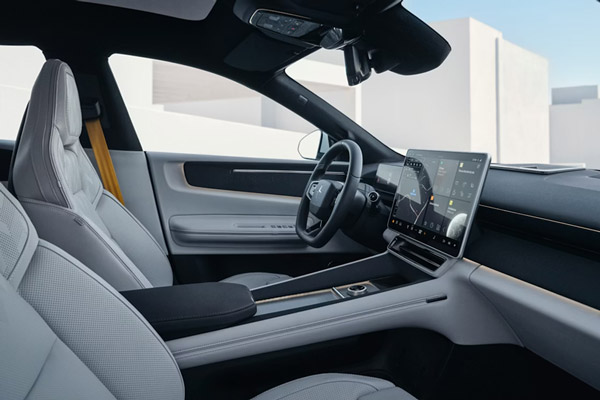
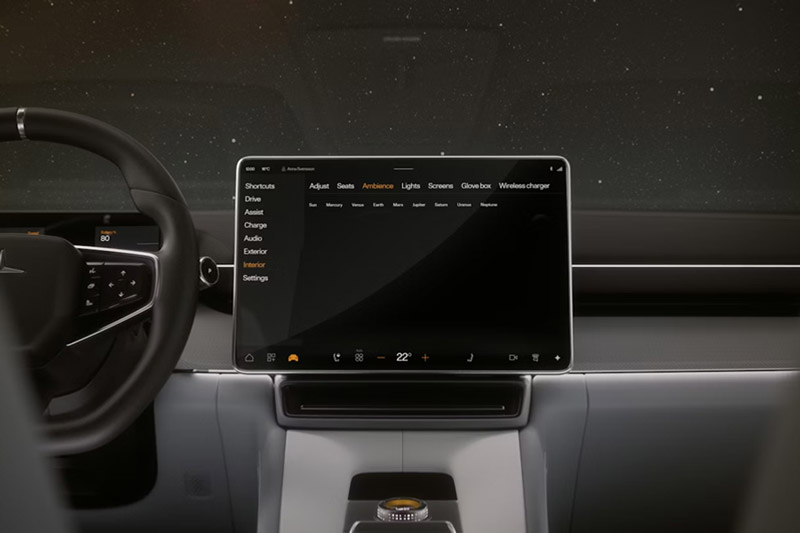
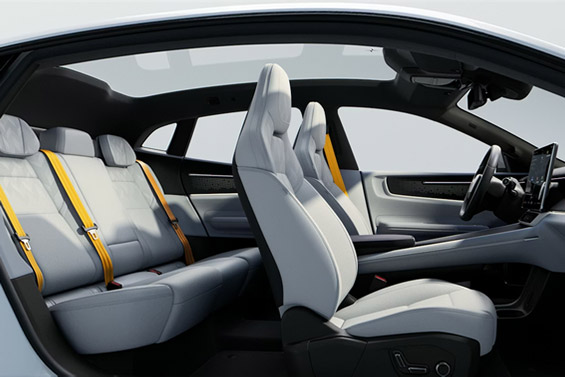
The Polestar 4 also has a unique design highlight: it completely eliminates the rear window, replacing it with a high-definition camera digital rearview system. This design benefits aerodynamics and can also increase rear headroom. It holds strong appeal for some consumers, while others may find it difficult to adapt to.
In terms of the interior, the Model Y has indeed seen a qualitative leap. The new “Juniper” brings an entirely new dashboard design, better materials, ventilated seats, and an 8-inch rear touchscreen, but the overall tone remains Tesla’s signature minimalist style. A single 15.4-inch central touchscreen controls almost all functions, including shifting gears via screen swiping, and there is still no independent instrument cluster in front of the driver. If you’re used to the buttons and knobs of traditional premium cars, the Model Y may require a lot of time to adapt to.
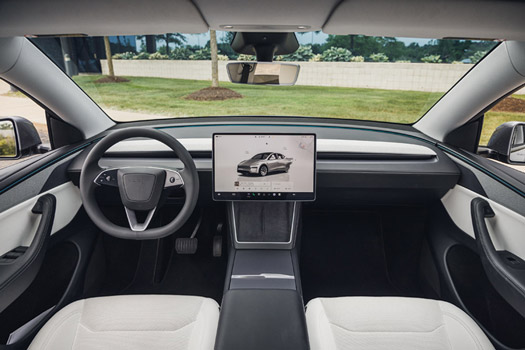
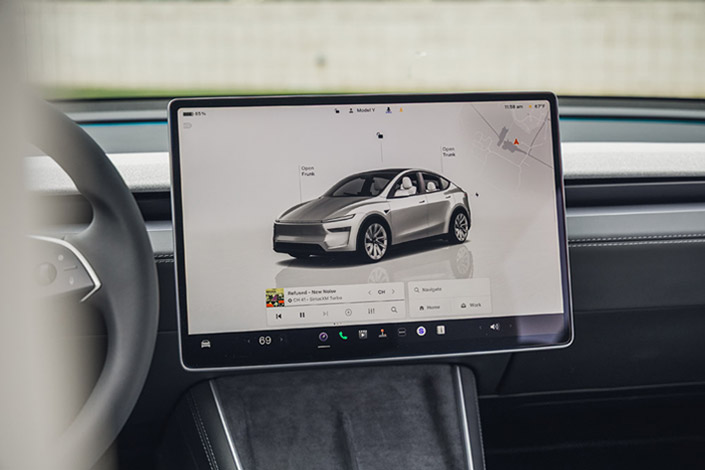
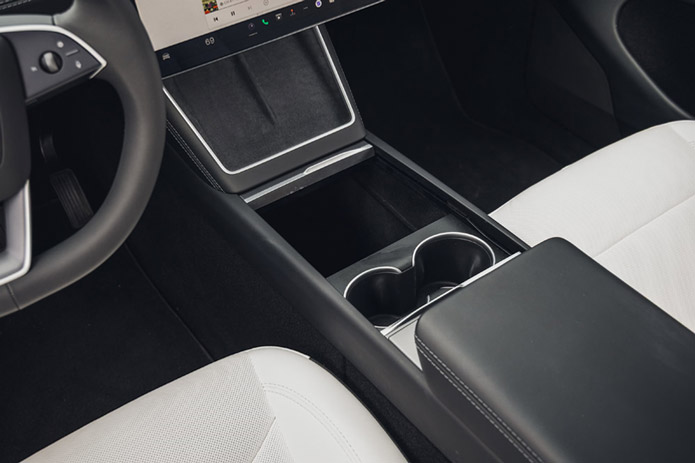
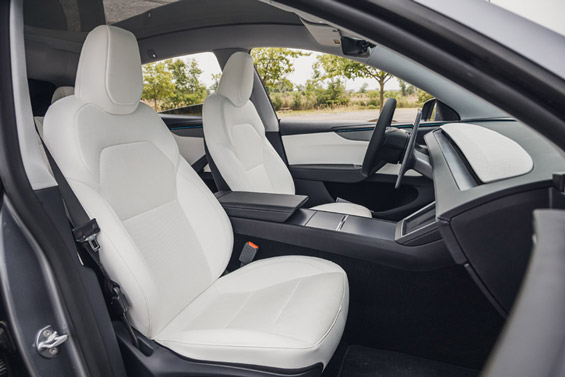
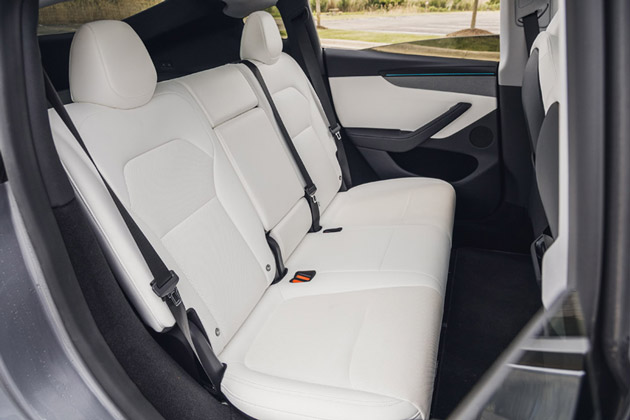
The moment you step inside, you sense the fundamental difference in positioning between the two cars. The Polestar 4 looks and feels like a high-end luxury car, while the Model Y feels more like “an iPhone on four wheels.”
Practicality should be a core consideration for an SUV. Tesla’s performance in this area is impressive, with a total cargo volume of up to 76.2 cubic feet (approx. 2,158 liters) when combining the front and rear trunks, along with an optional third-row seat providing the ability to carry up to 7 people.
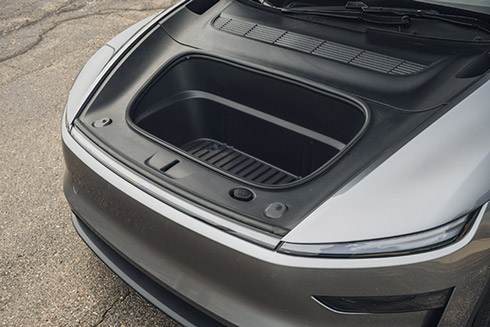
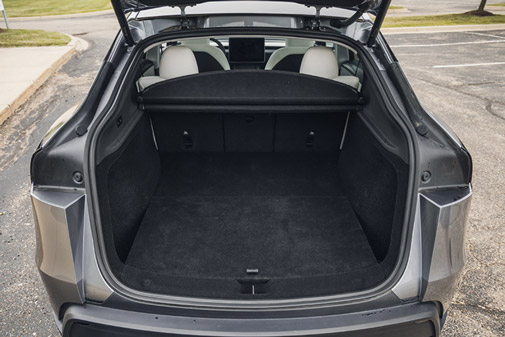
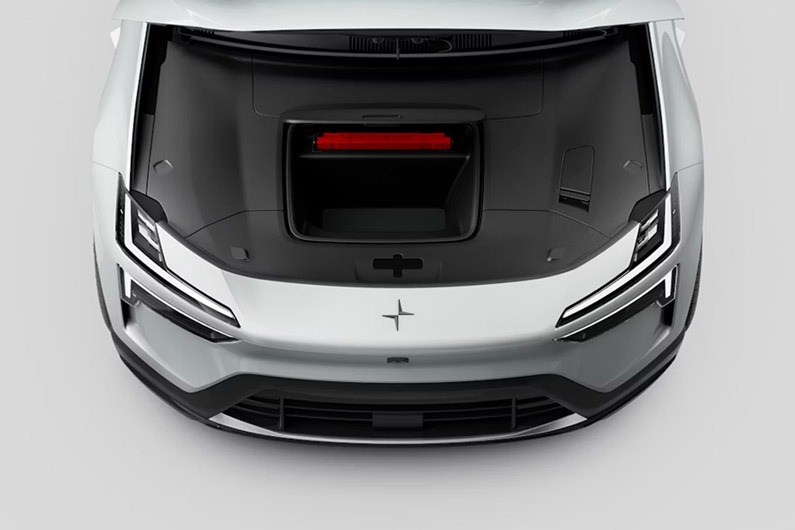
The Polestar 4’s coupe-like roofline, while visually stunning, significantly sacrifices cargo space. Its trunk volume, whether the seats are folded down or not, noticeably lags behind the Model Y. The small front trunk (frunk) is a mere 0.5 cubic feet (approx. 14 liters). The Model Y’s practicality advantage is quite evident.
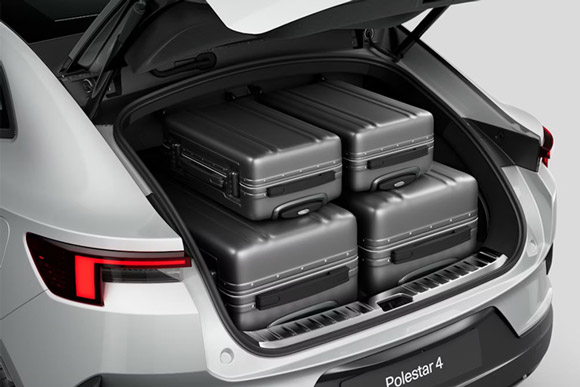
In terms of passenger space, the Polestar 4 benefits from an extremely long wheelbase of 118 inches (approx. 2,997 mm), providing very generous rear legroom. Combined with a panoramic glass roof and a wider body, the sense of spaciousness for passengers is no less than in the Model Y. If you frequently need to load bulky items or bicycles, choose the Model Y. If you place greater importance on rear passenger ride comfort, the Polestar 4 is more worthy of consideration.
This is where the biggest gap between the two lies. The 2026 Polestar 4 starts at around $56,000 in the U.S., with the dual-motor version starting at $62,900, and a fully-loaded Performance version easily exceeding $74,000.
The Model Y’s entry price is just $41,630, with the Long Range AWD version at about $48,990, and the Performance version at around $57,490. Factoring in federal tax credits, you could save up to an additional $7,500. Even when considering the value of Polestar’s optional packages, there is at least a price difference of more than $10,000 between the two. For budget-conscious consumers, this gap is hard to ignore.
However, several factors influence the price perception. The Polestar 4’s standard configuration is very rich, with adaptive cruise control, panoramic glass roof, and 360-degree camera all standard, unlike Tesla which requires purchasing an $8,000 FSD software package. Additionally, Polestar offers up to $20,000 in incentives for Tesla owners who switch to the brand.
Safety is one of Polestar’s strong suits. The Polestar 4 comes standard with a comprehensive suite of active safety systems, including forward and rear automatic emergency braking, cross-traffic collision mitigation, lane-keeping assist, blind-spot monitoring, and adaptive cruise control. With the technical support of the Geely Group, its configuration in this area is quite complete, and its passive safety performance is especially outstanding.
The Tesla Model Y is one of the highest-rated SUVs in global crash tests and is similarly equipped with a complete stack of active safety technologies. The core difference lies in the technical approach: the Model Y sticks to a camera-only vision solution, while the Polestar 4 fuses multiple sensors such as cameras and ultrasonic radars. The pure vision approach can occasionally fluctuate in bad weather, but the capability of Tesla’s FSD itself remains leading.
Both are among the safest electric vehicles in the world, and the vast majority of users would not feel unsafe in either.
After a comprehensive comparison, the conclusion is as follows:
Choose the 2026 Polestar 4 if you:
Choose the 2026 Tesla Model Y if you:
From a global perspective, in 2025, China ranked among the global leaders with exports of 8.32 million vehicles, and the penetration of Chinese car sales into the global market is advancing at an unprecedented pace. The Polestar 4 is exactly a representative model riding this wave, proving with outstanding product strength that premium electric vehicles made in China can compete head-to-head with the industry benchmark.
With its Supercharger network, longer range, and accessible price, the Tesla Model Y remains the rational choice for most buyers. The Polestar 4, on the other hand, offers an incredibly compelling choice for consumers who crave something different, thanks to its luxurious texture, unique design, and impressive performance.
They represent two different philosophies of the electric SUV. There is no absolute right or wrong, only which one better fits your needs.

