


2026 Hyundai Palisade Hybrid Review: A Smarter Three-Row SUV for Families
I believe many drivers have encountered, or will encounter, a sharp screeching noise when braking. What should we do at this moment? Keep driving, or have it checked and repaired? If you are not very familiar with the car’s structure, many drivers feel at a loss. This article provides detailed answers to help you solve this problem.
Before taking action, you need to understand the possible causes. Here are the most common ones:
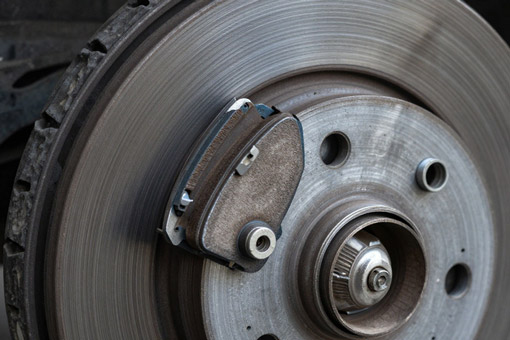
Now you know the causes. Next, follow these steps to diagnose and fix the problem. You don’t need to be an expert. You only need care and a bit of patience.
First, roll down the windows. Drive slowly on a safe, open road. Then, repeatedly apply light and heavy braking. While doing so, carefully distinguish whether the sound comes from the left or right side, front or rear wheels. Remember under which braking intensity the sound appears. This information is crucial. It helps you and a mechanic quickly locate the problem.
Next, perform a visual inspection. Park the vehicle on level ground. Engage the parking brake firmly. If you can find a flashlight, shine it through the gaps in the wheel hub. You can see the brake pads and the disc. Look at the friction material on the pad backing plate. If its thickness appears to be less than 3 mm, or you see the wear indicator making contact with the brake disc, you need to replace them immediately. Also, check the disc surface for deep grooves or rust. If you are confident, you can use a jack to remove the wheel for a more thorough look. Always put safety first.
If you suspect a small stone is stuck, try a simple method. Find a safe area and reverse at low speed. Then, lightly apply the brakes. This action can sometimes change the contact angle and dislodge the foreign object. Alternatively, you can use a water hose to rinse around the brake caliper. Wash away accumulated dust and debris. However, absolutely never rinse with cold water when the brake discs are scorching hot. This may cause the discs to warp. Remember, this step only addresses temporary noise from foreign objects.
Have you recently replaced the brake pads or discs? If so, the new friction material needs a “bedding-in” period. You can do this: On a road with little traffic, accelerate to about 60 km/h. Then, apply the brakes with smooth but firm pressure to slow down to about 10 km/h, but do not come to a complete stop. Immediately after, accelerate again and repeat this process 5 to 10 times. Afterwards, allow the brake system to cool down. This cycling of braking evenly deposits the friction material and eliminates noise. During this process, be sure to prioritize safe driving and obey traffic regulations.
If the noise is caused by lack of lubrication, you need special high-temperature resistant brake grease. This step requires some DIY skills. You need to remove the brake caliper. Then, take out the brake pads. Apply an extremely thin layer of grease to the contact points between the pad backing plates and the caliper or piston. At the same time, clean and lubricate the guide pins to ensure they move freely. Importantly, no grease must ever get onto the friction surface of the brake disc or the front of the brake pads. This will seriously affect braking performance. If you are not completely confident in this operation, do not hesitate to contact a professional mechanic.
Although you can solve simple problems, the following signs indicate an internal fault. At this point, you should immediately seek professional repair.
In these cases, your brake system may have serious safety hazards. A professional mechanic will use a micrometer to measure the brake disc runout. They will check whether the caliper is sticking. Ultimately, they will provide you with a definite solution. Do not regret delaying.
Finally, prevention is always better than cure. By following these simple habits, you can greatly reduce the likelihood of brake noise.
Now, when you hear a sharp screeching noise from your car’s brakes again, you know what to do. You don’t need to panic. First, understand the source of the noise. Next, safely perform a visual inspection. Then, try simple cleaning or bedding-in. Most importantly, determine whether professional help is needed. Your brake system is the safety pillar for you and your family. By actively addressing these warning signs, you can ensure driving safety and extend the life of your brakes. Take the first step in diagnosis with confidence, or make an appointment with a repair shop you trust.

