


2026 Hyundai Palisade Hybrid Review: A Smarter Three-Row SUV for Families
Hearing a grinding noise when starting your car can be alarming. While some vehicle sounds are harmless, a grinding noise during ignition often indicates a mechanical or electrical problem that should not be ignored. The issue may originate from the starter motor, flywheel, battery system, or other engine components.
Understanding the possible causes can help drivers prevent costly repairs and maintain vehicle reliability. Whether you own a sedan, SUV, truck, or are currently researching chinese cars for sale, recognizing early warning signs is essential for long-term vehicle health.
This article explains the most common reasons for grinding noises during startup, how serious the issue may be, and what drivers should do next.
When you turn the ignition key or press the start button, the starter motor engages with the engine’s flywheel to crank the engine. This process should happen smoothly and quietly.
A grinding noise usually occurs when metal components fail to engage properly or when worn parts create friction during startup.
The sound may be:
The exact sound often provides clues about the underlying problem.
The starter motor is one of the most common causes of grinding noises.
Over time, the starter gear can wear down and fail to mesh properly with the flywheel teeth. When this happens, the gears grind against each other instead of engaging smoothly.
Signs of a failing starter include:
If ignored, the starter may eventually fail completely.
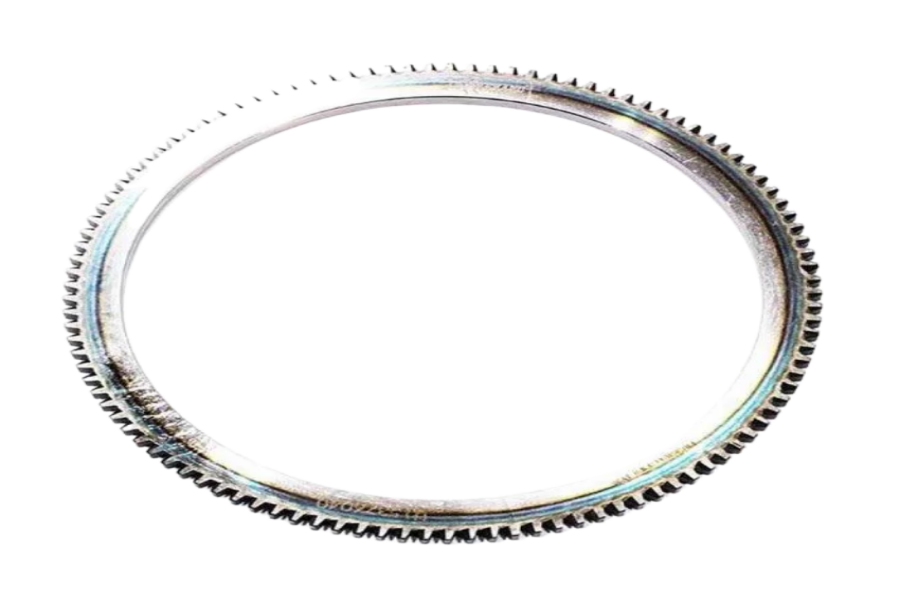
The flywheel is connected to the engine crankshaft and works with the starter motor during ignition.
If the flywheel teeth become chipped, cracked, or worn, the starter gear cannot engage correctly. This often creates a harsh metallic grinding sound.
Flywheel damage can occur due to:
Repairing a damaged flywheel can be expensive because it often requires transmission removal.
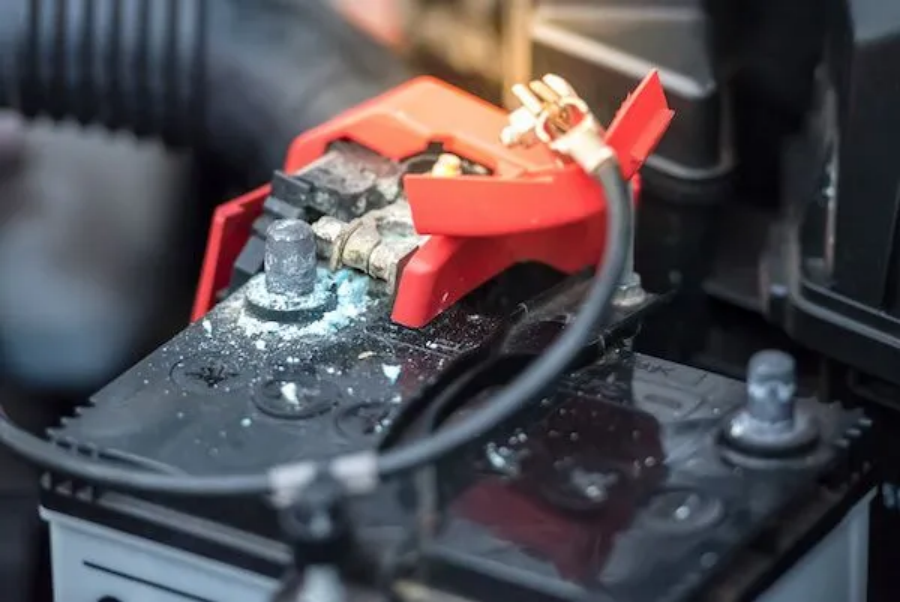
Many drivers do not realize that a weak battery can sometimes contribute to grinding sounds.
When the battery lacks sufficient power, the starter motor may not engage fully. Partial engagement can cause grinding or chattering noises.
Other battery symptoms include:
Testing the battery is often one of the first diagnostic steps mechanics perform.
The starter solenoid controls the electrical connection between the battery and starter motor.
If the solenoid malfunctions, the starter gear may engage improperly, causing grinding noises during startup.
A failing solenoid may also produce:
Sometimes the issue develops after a recent repair.
If the starter motor is installed incorrectly or becomes misaligned, the gears may not contact the flywheel properly.
Even small alignment issues can create noticeable grinding sounds.
Worn or damaged engine mounts can occasionally contribute to unusual startup noises.
Loose mounts may allow excessive engine movement, causing metal components to shift or vibrate during ignition.
While less common, this issue can still produce grinding or rattling sounds.
A grinding noise during startup should never be ignored.
In some cases, the car may continue running normally for weeks. However, continuing to drive without repairs can worsen damage and increase repair costs.
Potential consequences include:
Early diagnosis usually saves money and prevents larger mechanical problems.
Professional technicians typically inspect several systems to locate the source of the grinding noise.
The mechanic checks:
Battery voltage and charging system performance are tested to rule out electrical issues.
Technicians may inspect how the starter gear engages with the flywheel.
Experienced mechanics often identify the issue based on the timing and type of grinding sound.
Although some wear is unavoidable, proper maintenance helps reduce the risk of grinding noises.
A healthy battery reduces stress on the starter system.
Repeated ignition attempts can damage the starter and flywheel.
Minor ignition issues can become expensive repairs if ignored.
Regular inspections help identify wear before major failure occurs.
Modern vehicles contain more advanced electronics and start-stop systems than older cars. These systems place additional demands on starters and batteries.
As automotive technology evolves, many consumers researching chinese cars for sale are finding newer Chinese vehicles equipped with improved starter systems, advanced diagnostics, and better engine management technology.
However, even modern vehicles still require regular maintenance to avoid startup-related issues.
Yes. Older vehicles typically experience more wear on ignition components due to age and mileage.
Common age-related factors include:
However, poor maintenance can also cause these issues in relatively new vehicles.
Repair costs vary depending on the exact cause.
Ignoring the problem usually increases repair expenses over time.
Many drivers wait until the vehicle completely fails to start before seeking repairs. Unfortunately, this often results in more extensive damage.
Early diagnosis provides several benefits:
This is particularly important for people purchasing used vehicles or evaluating chinese cars for sale, where understanding vehicle maintenance history can significantly affect long-term ownership costs.
Yes. Cold temperatures can worsen existing problems.
Cold weather increases oil thickness and places additional stress on:
Drivers often notice grinding sounds more frequently during winter months or after the vehicle sits unused for extended periods.
A grinding noise when starting your car usually indicates a problem with the starter system, flywheel, battery, or ignition components. While the vehicle may continue running temporarily, ignoring the issue can lead to severe mechanical damage and expensive repairs.
The most common causes include:
Prompt diagnosis and maintenance are essential for protecting your vehicle’s reliability and performance. Whether you drive a compact sedan, SUV, or are considering modern chinese cars for sale, addressing unusual startup noises early can help extend your vehicle’s lifespan and reduce long-term repair costs.

