


2026 Hyundai Palisade Hybrid Review: A Smarter Three-Row SUV for Families
A Tire Pressure Monitoring System (TPMS) is an essential safety feature found in most modern vehicles. It is designed to monitor the air pressure inside your tires and alert you when the pressure falls below the recommended level. Whether you drive a high-end vehicle or are considering affordable chinese cars for sale, understanding how TPMS works can help you maintain your car’s performance and safety.
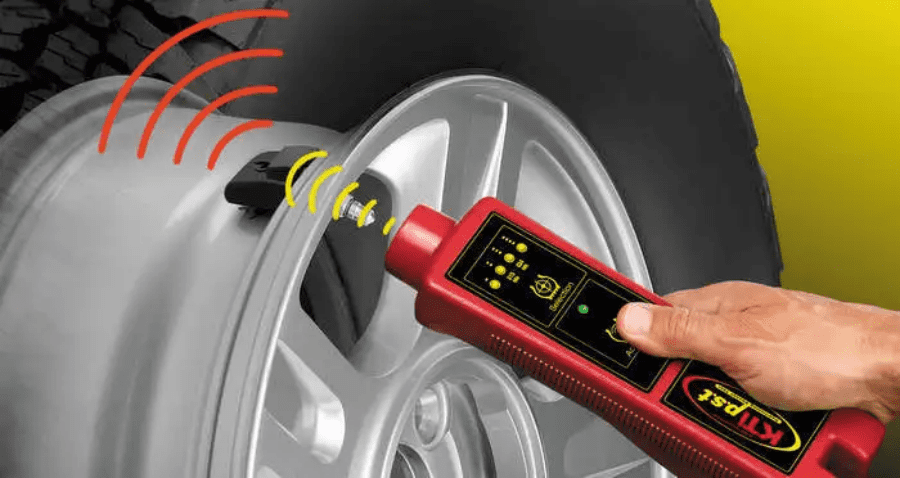
A TPMS uses sensors installed in each tire to measure air pressure. These sensors send real-time data to your car’s onboard computer system. If the tire pressure drops too low or becomes uneven, the system triggers a warning light on your dashboard.
There are two main types of TPMS: direct and indirect systems. Direct TPMS uses sensors inside each tire to provide accurate pressure readings, while indirect TPMS estimates pressure based on wheel speed and other data. Both systems are effective, but direct TPMS is generally more precise.
Maintaining correct tire pressure is crucial for several reasons. Underinflated tires can lead to poor fuel efficiency, uneven tire wear, and reduced handling performance. Overinflated tires, on the other hand, can make your ride uncomfortable and increase the risk of tire damage.
A TPMS helps you avoid these issues by providing early warnings. This is especially valuable for drivers exploring chinese cars for sale, as many modern Chinese vehicles now come equipped with advanced safety technologies like TPMS.

One of the primary functions of a TPMS is to improve safety on the road. Low tire pressure can cause tires to overheat, increasing the risk of a blowout. This can be dangerous, especially at high speeds.
By alerting you to pressure issues in real time, TPMS allows you to take action before a minor problem becomes a serious hazard. This added layer of safety is a key reason why TPMS is now a standard feature in many vehicles worldwide.

Properly inflated tires reduce rolling resistance, which means your engine doesn’t have to work as hard to move the car. This leads to better fuel efficiency and lower fuel costs.
A TPMS ensures that your tires are always at the optimal pressure, helping you save money over time. Whether you’re driving daily or considering chinese cars for sale for their affordability, fuel efficiency is always an important factor.
Tires are a significant investment, and replacing them frequently can be expensive. Incorrect tire pressure can cause uneven wear, reducing the lifespan of your tires.
With a TPMS, you can maintain consistent pressure levels and ensure even wear across all tires. This not only extends the life of your tires but also improves overall driving comfort.
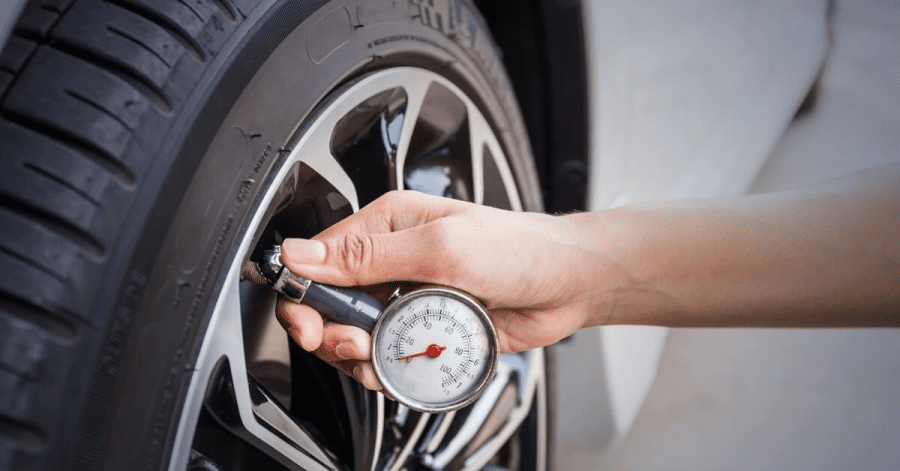
Before TPMS became common, drivers had to manually check tire pressure using a gauge. While this method is still recommended periodically, TPMS adds convenience by continuously monitoring pressure automatically.
This is particularly helpful for busy drivers who may forget to check their tires regularly. Modern vehicles, including many chinese cars for sale, integrate TPMS into user-friendly dashboards, making it easy to stay informed.
If your TPMS warning light turns on, it’s important to address the issue promptly. Start by checking the tire pressure and inflating the tires to the recommended level. If the warning light remains on, there may be a problem with the sensor or a slow leak in one of the tires.
Ignoring TPMS warnings can lead to decreased performance and potential safety risks. Always treat these alerts seriously.
While TPMS is a valuable tool, it is not a replacement for regular maintenance. The system may not detect all types of tire issues, such as tread wear or alignment problems.
Drivers should still perform routine inspections and maintenance to ensure optimal performance. Combining TPMS with good maintenance habits provides the best results.
Today, TPMS is a standard feature in many cars around the world. Automakers continue to improve the technology, making it more accurate and reliable.
Many brands offering chinese cars for sale have embraced these advancements, equipping their vehicles with modern TPMS systems as part of a broader focus on safety and innovation.
A Tire Pressure Monitoring System plays a vital role in maintaining vehicle safety, efficiency, and performance. By providing real-time alerts about tire pressure, it helps drivers prevent accidents, save fuel, and extend tire life.Whether you already own a car or are exploring chinese cars for sale, understanding and utilizing TPMS can significantly enhance your driving experience. Regular attention to your tires, combined with this smart technology, ensures a smoother and safer journey every time you hit the road.

