


2026 Hyundai Palisade Hybrid Review: A Smarter Three-Row SUV for Families
The Land Rover brand boasts a range of highly respected all‑terrain SUV models. However, when you face an actual purchase decision, two names rise to the forefront: the 2026 Land Rover Discovery and the Land Rover Defender. In today’s in‑depth comparison, we will examine price, powertrain, interior space, off‑road capability, and driving experience. We will analyze these aspects point by point. In this era of global automotive transformation, which British‑bred SUV meets your needs better—the Discovery or the Defender? Let us find out.
The 2026 Land Rover Discovery is a mid‑to‑large luxury all‑terrain seven‑seat SUV. It officially launched in April 2026. Official guide prices range from RMB 548,000 to RMB 638,000. Buyers can choose from three configurations: 3.0T S, Shuanghui Edition, and Shanfeng Edition. This price bracket makes it an extremely competitive choice within the luxury seven‑seat SUV segment.
In the U.S. market, the base version of the 2026 Discovery features a 2.0‑liter turbocharged four‑cylinder engine. This unit produces 296 horsepower. Higher‑specification versions, meanwhile, receive further upgrades in both power and equipment. In the Taiwan region of China, the 2026 Discovery comes uniformly fitted with the Ingenium 3.0‑liter inline six‑cylinder turbocharged diesel engine. Combined with 48V mild‑hybrid technology, it delivers a maximum output of 249 horsepower and a peak torque of 58.1 kg‑m.
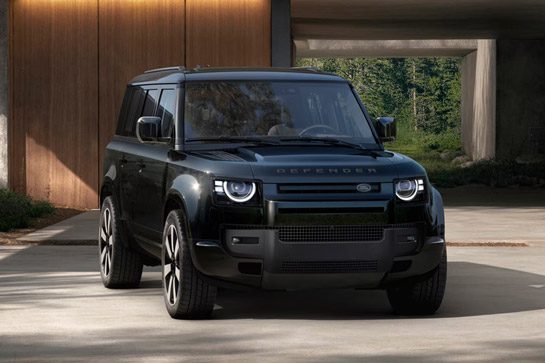
By comparison, the 2026 Land Rover Defender occupies an even more premium and specialized position. It enters the market with a starting price of RMB 689,900. The lineup spans the 90, 110, and 130 series across ten total variants. The highest price reaches RMB 2,158,000 for the 5.0T V8 limited edition. Consequently, the entry threshold for the Defender is approximately RMB 140,000 higher than that of the Discovery.
Conclusion: From a budgetary perspective, the 2026 Land Rover Discovery is unquestionably the more accessible option. The Defender, in contrast, targets buyers with a more generous budget who seek the ultimate off‑road experience.
A 3.0‑liter Ingenium twin‑supercharged six‑cylinder engine powers the 2026 Land Rover Discovery across the range. This engine pairs with a 48V mild‑hybrid system and full‑time four‑wheel drive. It produces a maximum output of 360 horsepower and a peak torque of 500 N·m. Additionally, certain markets offer a 2.0‑liter turbocharged engine variant. That version supplies a maximum power of 300 horsepower and a peak torque of 400 N·m to meet varying customer requirements.
The inclusion of the 48V mild‑hybrid system enhances smoothness during initial acceleration. Furthermore, it significantly reduces fuel consumption in stop‑and‑go traffic conditions. Under the WLTC cycle, the Discovery records a real‑world fuel consumption figure of approximately 10.7 L/100 km.
The 2026 Defender offers a more extensive array of powertrain choices. The mainstay 110 and 130 variants predominantly feature a 3.0‑liter inline six‑cylinder engine plus a 48V mild‑hybrid system. This setup generates a maximum of 400 horsepower and a peak torque of 550 N·m. As a result, it enables acceleration from 0–100 km/h in just 6.0 to 6.6 seconds. The entry‑level 90 variant, on the other hand, has a 2.0‑liter four‑cylinder engine producing 300 horsepower. Moreover, higher‑specification versions offer a 5.0‑liter V8 engine with 525 horsepower. The top‑tier OCTA version goes further, fitting a 4.4‑liter V8 engine with mild‑hybrid assistance that yields 635 horsepower.
Based purely on specification sheets, the Defender’s powertrain is notably more aggressive. Its horsepower and torque figures surpass those of the Discovery. Its acceleration performance is sharper as well. The Defender 90 with the 2.0‑liter engine can accelerate from 0–100 km/h in 7.1 seconds. That is roughly 0.2 seconds quicker than the Discovery.
Conclusion: The Discovery’s power is more than adequate and places greater emphasis on fuel economy. The Defender, however, provides more prodigious power reserves. It appeals to those who crave a spirited driving experience.
The 2026 Land Rover Discovery continues the classic boxy silhouette of the family lineage. It has a length approaching five meters and a 2,923‑millimeter wheelbase, ensuring ample interior room. Designers retained the signature stepped roofline. This feature not only eliminates any sense of headroom constraint in the third row but also serves as a distinctive hallmark of the Land Rover Discovery.
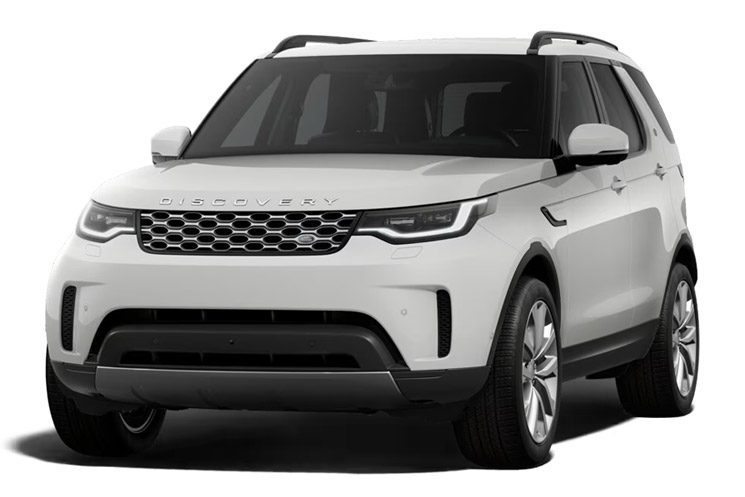
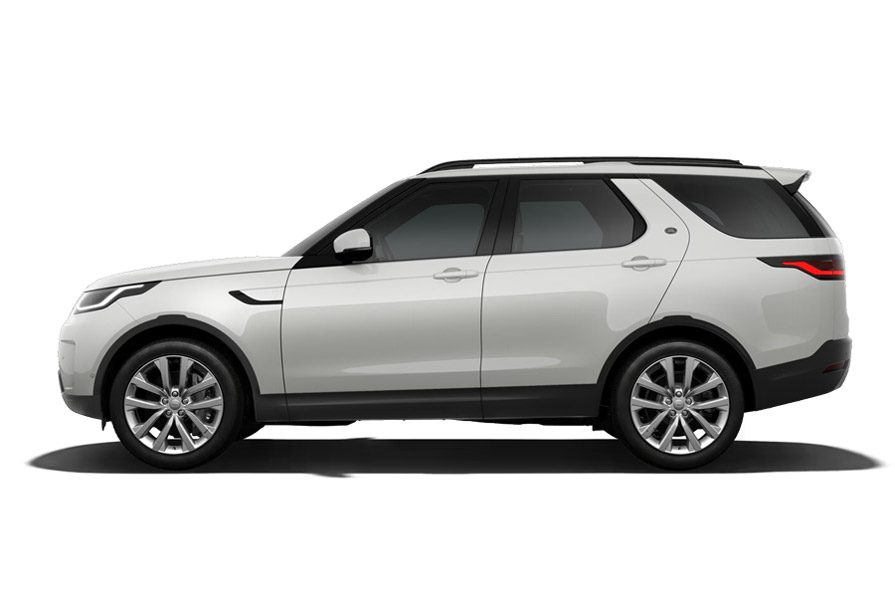
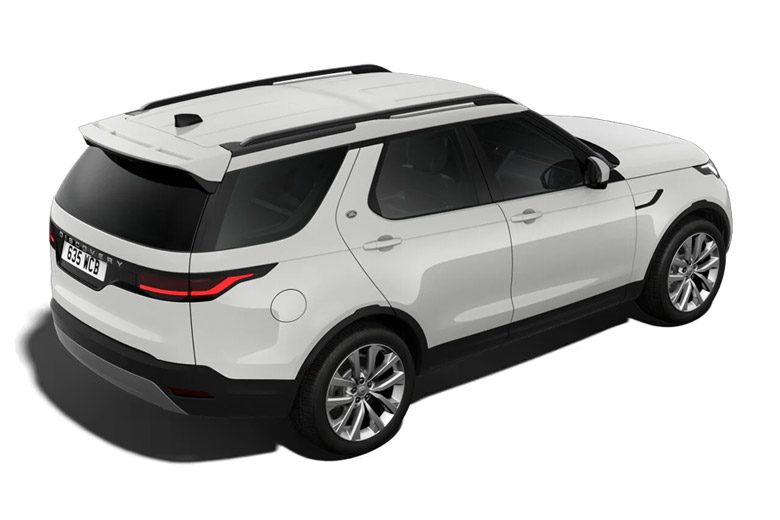
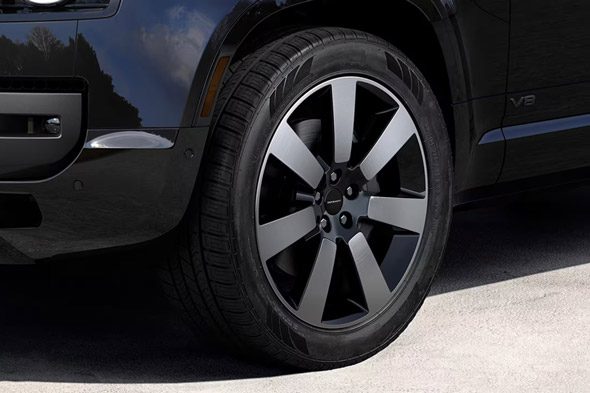
The front fascia showcases a newly designed dual‑U daytime running light signature. The slim LED strips extend into the front fenders, delivering exceptional visual recognition when illuminated. The side profile features clean, robust character lines. These lines are complemented by substantial 21‑ or 22‑inch wheels that further amplify the vehicle’s muscular stance.
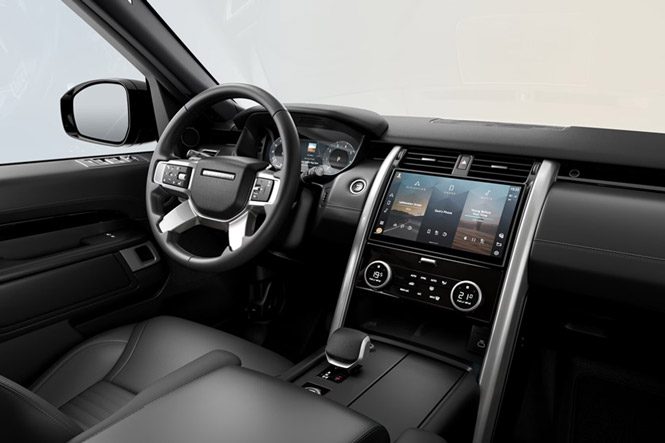
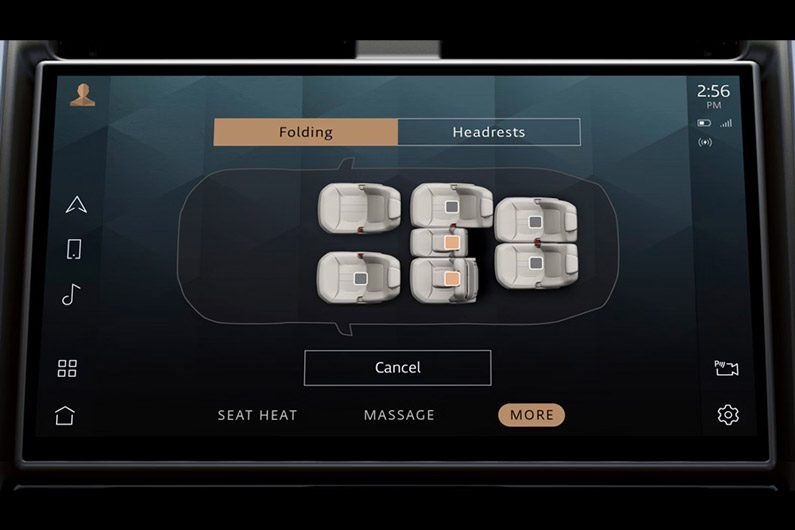
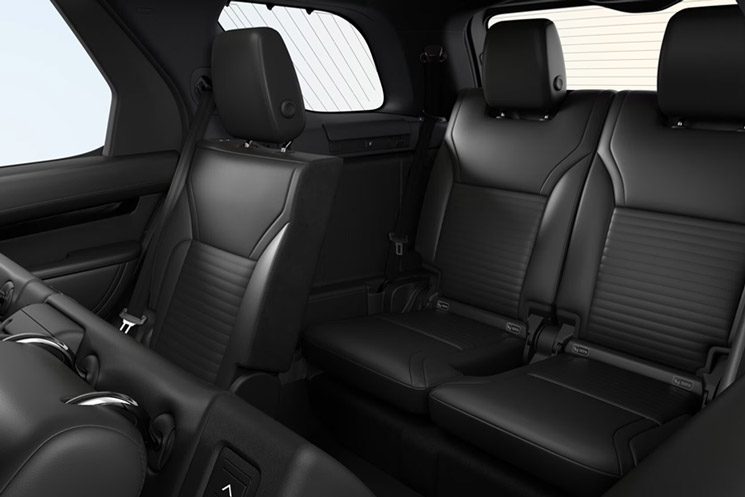
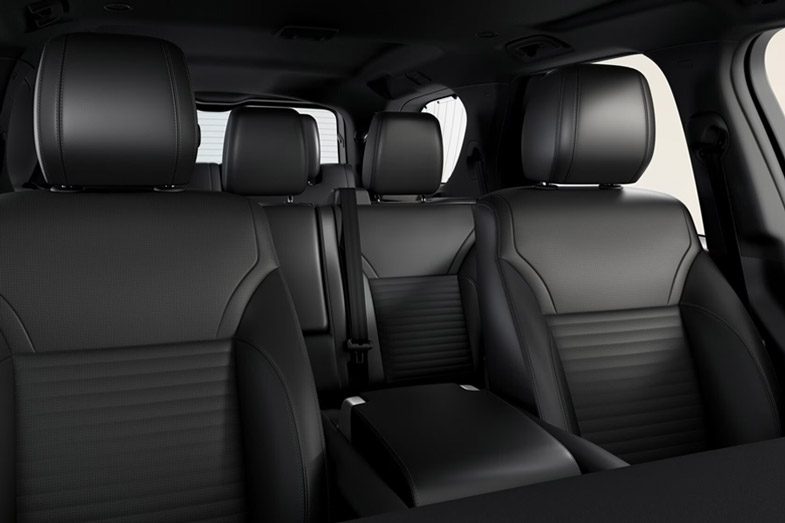
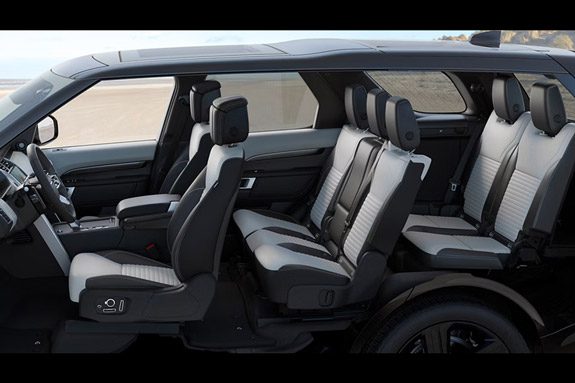
Inside, the Discovery includes an 11.4‑inch floating central touchscreen and a 12.3‑inch fully digital instrument cluster. It runs the e+ infotainment system powered by a Qualcomm Snapdragon 8295 chip, ensuring fluid operation and an uncluttered interface. The cabin provides 32 storage compartments throughout, emphasizing practicality.
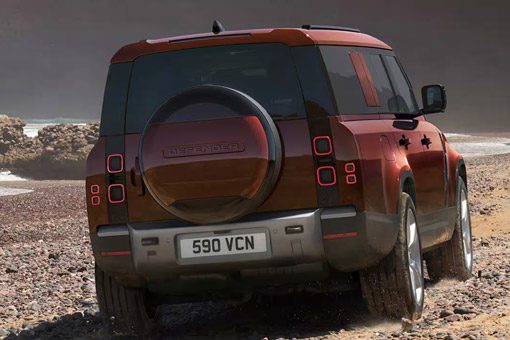
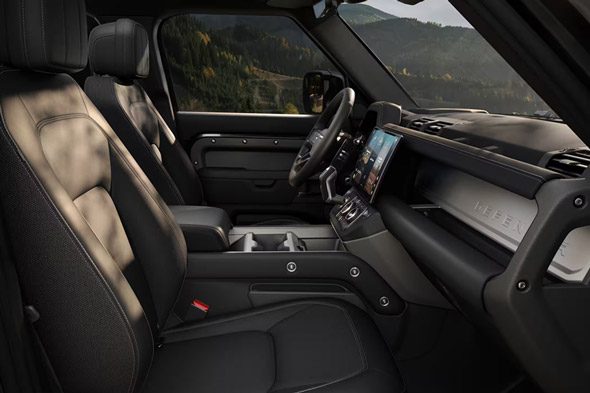
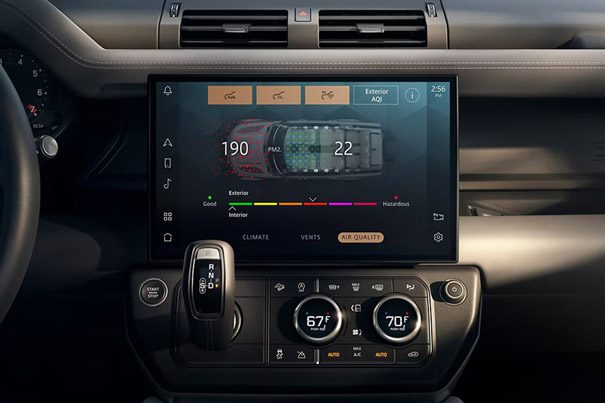
The most significant update for the 2026 Defender is evident in the center console. All variants now feature a 13.1‑inch floating central touchscreen. This new screen supersedes the previous 11.4‑inch display. Meanwhile, the infotainment system continues to operate on InControl OS 2.0. Externally, a new “Legend Yellow” paint option joins the palette. Additionally, the rear of the vehicle now incorporates smoked taillights with a flush‑fit design. This change lends a more contemporary visual appeal.
The Defender’s interior adheres to a “function‑first” design philosophy. Structuralist aesthetics appear throughout the cabin. Certain models gain a heated steering wheel function. The wireless smartphone charging pad also receives a redesign; it now sits in a tilted orientation for easier access.
Conclusion: The Discovery’s design leans towards elegance and utility, making it suitable for a variety of environments. The Defender, in contrast, is more overtly rugged and robust. Every detail underscores its off‑road pedigree.
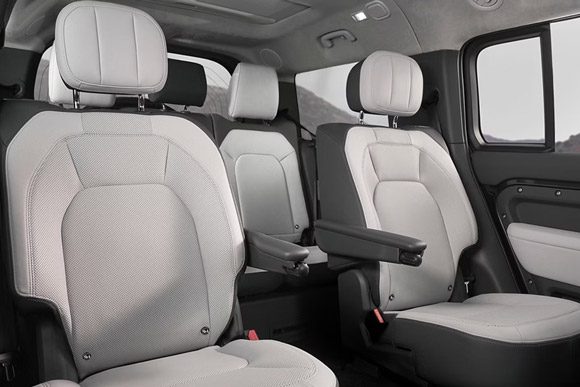
Space is one of the Discovery’s core strengths. Its extensive 2,923‑millimeter wheelbase combines with an intelligent full‑size seven‑seat layout. The 2+3+2 seating arrangement features one‑touch electric folding and delivers exceptional roominess. A tester standing 180 cm tall found front‑row headroom measuring one fist and four fingers. Second‑row legroom measured two fists. The center tunnel hump is a mere two centimeters high, so three adults can sit abreast comfortably without feeling cramped.
The standard trunk volume is 258 liters. Folding the third row expands capacity to 1,137 liters. With all rear seats fully folded flat, the maximum cargo volume reaches 2,391 liters. This space easily accommodates camping gear.
Manufacturers offer the Defender in three body configurations: the 90 (short‑wheelbase three‑door), the 110 (standard wheelbase), and the 130 (long‑wheelbase eight‑seat). The 110 variant features a 3,023‑millimeter wheelbase and slightly larger external dimensions than the Discovery. The 130 variant provides an eight‑seat layout. However, its third‑row accommodations are not quite as spacious as the seven‑seat design found in the Discovery.
Conclusion: For families with two or three children, the Discovery’s full‑size seven‑seat layout is undeniably the more practical choice. The Defender 90 suits singles or couples. The Defender 110/130, on the other hand, appeals more to buyers for whom a seven‑seat configuration is not an absolute priority.
The 2026 Land Rover Discovery boasts a maximum wading depth of 900 millimeters. This figure equals that of the Defender. The vehicle also features the second‑generation Terrain Response system. Combined with a minimum ground clearance of 283 millimeters, a 34° approach angle, and a 30° departure angle, its off‑road traversal capability is outstanding.
The Defender likewise offers a 900‑millimeter wading depth. Moreover, it comes more comprehensively equipped for off‑road use straight from the factory. The Defender features a ClearSight Ground View system, which significantly boosts driver confidence over complex terrain. Certain mid‑ and high‑grade variants also add an electrically deployable tow hitch. This addition enables a towing capacity of 3.5 tonnes.
The Defender employs a body‑on‑frame construction that remains rock‑steady when traversing deep axle‑twist obstacles. Its off‑road tuning is more aggressive. Consequently, it is the preferred choice for genuine off‑road enthusiasts.
Conclusion: The Discovery is fully capable of tackling the vast majority of off‑road scenarios. It even matches the Defender in wading depth. However, the Defender offers more complete equipment for extreme off‑roading and remains the purer “off‑road machine.”
This dimension represents the most pronounced divergence between the two models. The Discovery’s steering is light, and its ride comfort is supple. Therefore, urban commuting feels entirely effortless. The air suspension absorbs road imperfections as if gliding over cotton, and long highway journeys become a genuine pleasure.
The Defender’s steering feels weightier, and its throttle response is more aggressive. It dispatches speed bumps with two decisive “thump‑thump” impacts. Drivers must exercise caution when navigating potholes on the optional 22‑inch wheels. Additionally, the rear seatback angle remains somewhat upright.
Conclusion: For those whose daily routine centers on urban commuting, choose the Discovery. For those whose focus lies in off‑road expeditions, choose the Defender.
Within the global luxury SUV market, the Land Rover Discovery and the Land Rover Defender embody two fundamentally different philosophies. The Discovery pursues balance and practicality. It serves as the ideal companion for family adventures. The Defender, in contrast, upholds purity and hardcore capability. It stands as a contemporary totem of the off‑road spirit.
This British twin‑star duo—the Land Rover Discovery and Defender—occupies an irreplaceable position in the global marketplace. Their unique brand heritage and undeniable product appeal continue to buoy their success.

