


2026 Hyundai Palisade Hybrid Review: A Smarter Three-Row SUV for Families
Currently, two major factors make many people hesitate about buying an electric vehicle: one is the EV’s driving range, and the other is the car battery. If the car battery develops health issues and needs replacing, it will mean an additional expense. So, how much does it cost to replace an electric vehicle battery? I believe this is something many people want to know.
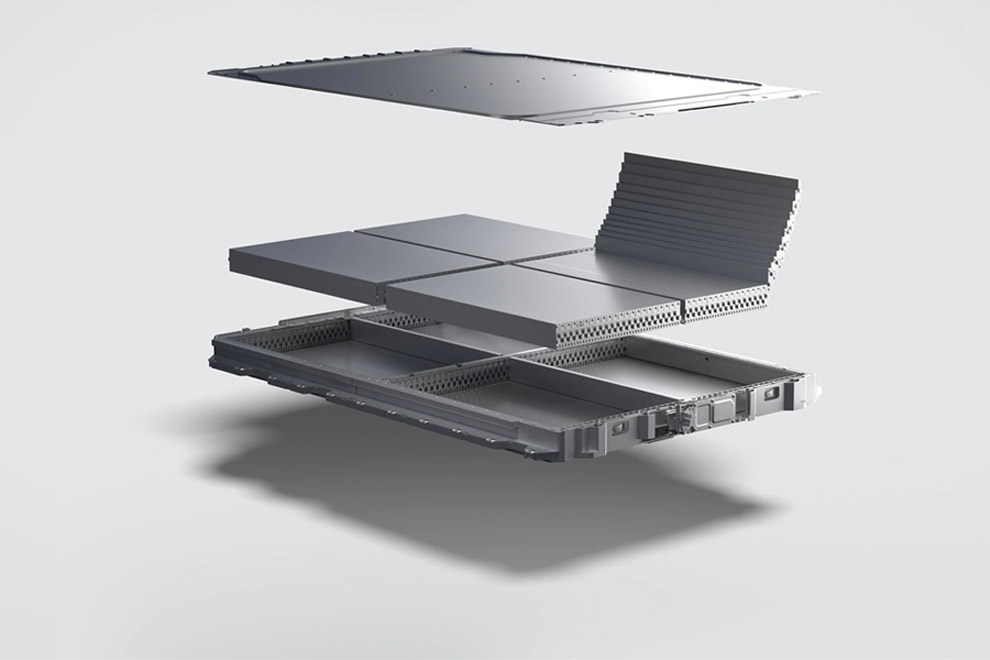
In 2026, a full battery pack replacement for most out-of-warranty electric vehicles falls between $5,000 and $20,000, including parts and labor. Specifically, compact EVs typically sit at the lower end of that range, mainstream crossovers in the middle, and luxury models and electric pickup trucks at the top.
However, don’t be scared by these numbers just yet. Only a very small percentage of EVs ever need an out-of-warranty battery replacement. Moreover, most replacements occur within the coverage of the original factory warranty.
To truly understand battery replacement costs, you first need to understand how the industry prices batteries. Industry analysts typically measure battery pack costs in dollars per kilowatt-hour ($/kWh). In fact, this metric serves as the most important yardstick for gauging global battery affordability.
The global average price of lithium-ion battery packs fell to an all-time low of $108/kWh at the end of 2025, down 8% from the previous year and a dramatic 93% drop compared to the 2010 level.
Furthermore, forecasts indicate this trend will accelerate. BloombergNEF projects that battery prices will drop to around $80/kWh in 2026, and analysts expect them to reach $60/kWh by 2030.
What does this mean? Simply put, with each passing year, battery replacement becomes more affordable.
Not all batteries are created equal. For instance, the average cost of lithium iron phosphate (LFP) batteries is about €89/kWh, while the cost of ternary lithium (NMC) batteries is about €123/kWh. As a result, LFP is cheaper, safer, and has a longer cycle life—which is exactly why many Chinese manufacturers favor it.
Where you live has a huge impact on your battery bill. Indeed, a global study of 25 countries by Compare the Market found staggering differences in the cost of replacing a 75 kWh battery pack.
Here are some key data points:
| Rank | Country | Battery Price (USD) | Labor Cost (USD) |
| 1 | Australia | $10,242.75 | $172.63 |
| 2 | South Korea | $11,686.50 | $107.30 |
| 3 | Canada | $11,688.75 | $139.35 |
| 10 | Japan | $11,693.25 | $93.64 |
| 16 | China | $11,700.00 | $47.31 |
| 21 | United States | $14,823.00 | $196.25 |
| =22 | Spain | $16,387.50 | $96.83 |
| =22 | France | $16,387.50 | — |
Australia tops the list with the lowest battery price and the cheapest labor cost. Meanwhile, the United States ranks 21st, with the cost for a 75 kWh battery approaching $14,823. Most European countries have even higher costs.
The factors affecting the final replacement bill include: local labor rates, import tariffs, the maturity of the battery supply chain, and the intensity of competition in the local market.
The situation in Europe is particularly noteworthy. There, battery production costs sit about 56% higher than the global average, reflecting higher manufacturing costs and a reliance on imports.
Why does your neighbor’s replacement quote differ from yours? The following six core factors determine the final cost.
This is the single biggest cost driver. A battery pack over 100 kWh can often cost 2 to 3 times as much as a 40 kWh battery. After all, greater battery capacity means more cells, heavier weight, and higher cost.
LFP batteries typically cost over 30% less than ternary lithium (NMC) batteries. In addition, newer battery pack designs (such as cell-to-body integrated structures) can simplify the manufacturing process and reduce costs.
Each automaker prices and services battery replacements differently. For example, Tesla usually replaces the entire pack. On the other hand, some other brands offer module-level repairs, which can be cheaper for certain types of failures.
Replacing a battery pack can take between 4 and 15 hours, with hourly labor rates typically ranging from $150 to $250. Moreover, if you are far from an authorized service center, you also need to consider transportation costs.
A brand-new OEM battery pack costs the most. In contrast, refurbished or salvage battery packs can be 30% to 50% cheaper, but they come with shorter warranties and variable quality depending on the supplier.
Most original factory battery warranties cover 8 years or 100,000 to 160,000 kilometers. Within this window, the manufacturer typically bears the full replacement cost. This is crucial: the vast majority of EV owners will never pay out-of-pocket for a battery replacement.
If we only stay at the surface-level data, we will miss the most important part of the global EV battery landscape. So, let’s dive deeper into Chinese brands—they have become the most disruptive force in battery affordability.
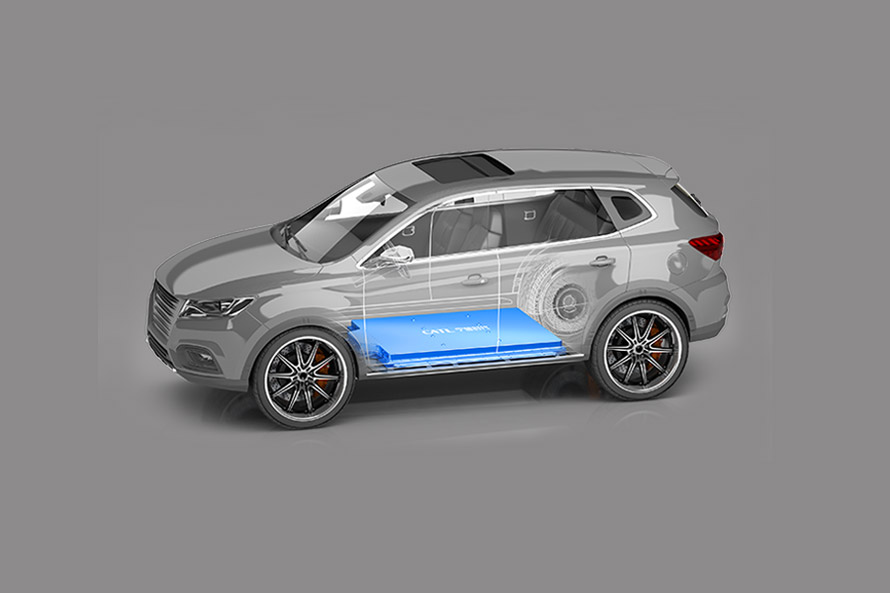
Barclays, citing BNEF data, points out that the average price of EV battery packs in China was $94/kWh in 2024. In comparison, it was $123/kWh in North America and $139/kWh in Europe.
This is no accident. China’s cost advantage stems from two pillars:
First, dominance in battery material refining. China controls about 95% of graphite production capacity, 92% of rare earth capacity, and over 70% of cobalt and lithium refining capacity. In fact, China now houses more than 70% of global battery manufacturing capacity, with CATL alone producing as much as all of Europe combined.
Second, a vertically integrated supply chain. Companies like BYD own their own battery manufacturing subsidiary—FinDreams Battery. Consequently, this eliminates middleman markups and enables extreme cost control.
Let’s look at specific numbers. The BYD Denza Z9GT EV features a 122.5 kWh LFP second-generation Blade Battery pack, and the official 4S dealership after-sales replacement price is only 78,700 RMB (approximately $10,800). That works out to about 643 RMB per kWh, far below the industry mainstream level of 1,000–2,000 RMB (about $140–$280) per kWh.
The cost changes after Tesla’s localization in China are equally telling. The total battery replacement cost for an imported Tesla model could reach around 300,000 RMB. In contrast, the replacement cost for the domestically produced Model 3 Rear-Wheel Drive (using a CATL LFP battery) dropped to about 126,000 RMB (approximately $17,200)—a reduction of 30% to 45%.
Chinese brands don’t just win on replacement prices. Many brands also offer a lifetime warranty on the battery cells, covering the first owner for non-commercial use. BYD, GAC Aion, and other brands implement this policy. As a result, over the vehicle’s normal service life, consumers may never have to pay a single cent for a battery replacement.
This is perhaps the biggest myth. The lifespan of EV batteries far exceeds what most people imagine. Manufacturers typically design modern battery packs to last 15 to 20 years, and they often outlive the vehicle itself.
Most manufacturers offer an 8-year or 100,000 to 160,000-kilometer battery warranty that covers severe capacity degradation. In reality, only an extremely small proportion of EVs require an out-of-warranty battery replacement.
Furthermore, when a battery does need service, a full replacement is not the only option. Many manufacturers now offer module-level repair solutions, replacing only the damaged cell modules. This approach can reduce costs by 50% to 70%.
Below is a comparison overview of EV battery replacement costs for major global brands in 2025–2026.
| Brand/Model | Battery Capacity | Replacement Cost (RMB) | Converted (USD) |
| BYD Denza Z9GT | 122.5kWh | 78,700 yuan | ~$10,800 |
| BYD Han EV | 85.44kWh | 67,000–90,000 yuan | ~$9,200–$12,400 |
| BYD Dolphin | — | 46,000–60,000 yuan | ~$6,300–$8,200 |
| BYD Tang DM-i | — | 60,000–80,000 yuan | ~$8,200–$11,000 |
| Wuling Hongguang MINIEV | — | 5,000–12,000 yuan | ~$700–$1,600 |
Note: The BYD Dolphin replacement cost dropped from 60,000 yuan to 46,000 yuan (a 23.3% reduction). The Han EV costs approximately 70,000–90,000 yuan (including BMS calibration and inspection fees). Meanwhile, the BYD Tang DM-i costs approximately 60,000–80,000 yuan. The Wuling Hongguang MINIEV battery replacement cost is in the range of 5,000–12,000 yuan.
| Brand/Model | Replacement Cost (USD) |
| Tesla Model 3/Y (RWD) | $17,200–$20,000 |
| Tesla Model S/X (early versions) | $16,500–$23,300 |
| Nissan Leaf (40kWh) | ~$12,500 |
| BMW i3 | ~$12,000 |
| Volkswagen ID.3/ID.4 | $10,000–$15,000 |
The narrative that “a single battery replacement will bankrupt you” has become seriously outdated. The reality is this: in 2026, most EV owners will never pay for a battery replacement out of their own pocket. And for those who do need a replacement, the prices they face are dropping year by year.
Two forces are now reshaping the landscape of global EV battery replacement costs: cost reductions brought by continuous technological progress, and the structural price advantages introduced by Chinese brands. As Compare the Market’s global research reveals, a significant divergence exists in international battery replacement costs.
Therefore, the next time you consider buying an electric vehicle, remember: the fear is exaggerated, the numbers are continuously improving, and Chinese brands are making battery replacement more affordable than ever before.

