


2026 Hyundai Palisade Hybrid Review: A Smarter Three-Row SUV for Families
Two Japanese compact hatchbacks, the Suzuki Swift and the Mazda2, continue to compete fiercely. The Suzuki Swift is renowned for its agile handling and astonishing fuel economy. The Mazda2, on the other hand, attracts buyers with its premium feel and mature driving experience.
But the question arises: which one is the true king of value for money? More importantly, with the wave of Chinese car exports sweeping the globe and Chinese brands making aggressive moves, are these two veteran Japanese models still worth your hard-earned money? This article will break it down for you one by one.
The Suzuki Swift shows a clear advantage in its pricing strategy. You don’t need to empty your pockets to own an outstanding hatchback.
By comparison, the Mazda2’s pricing appears a notch higher. Its entry barrier is significantly elevated.
| Market | Suzuki Swift Starting Price | Mazda2 Starting Price | Difference |
| UK | GBP 16,200 | GBP 21,400 (Hybrid) | Approx. GBP 5,200 |
| Australia | AUD 25,490 drive-away | AUD 26,990 onwards | Approx. AUD 1,500 |
| South Africa | ZAR 264,700 | ZAR 336,000 | ZAR 71,300 |
| Saudi Arabia | SAR 72,400 | Approx. SAR 75,000+ | Approx. SAR 2,600+ |
| Philippines | PHP 989,000 | PHP 1,250,000 | PHP 261,000 |
The Swift holds a clear price advantage in every market. In fact, in the Australian market, the top-spec Swift Hybrid is even AUD 1,500 cheaper than the MG3 Hybrid and AUD 5,100 cheaper than the Toyota Yaris ZR Hybrid. The significant increase in the Mazda2’s entry price means it no longer holds a price advantage against rivals like the Swift and the MG3.
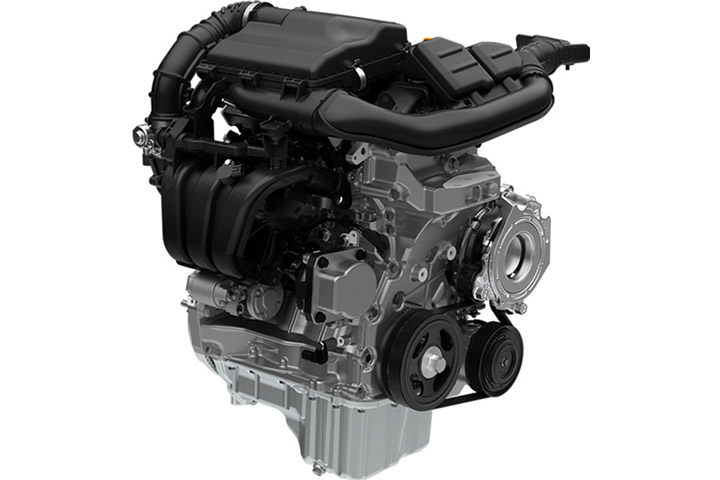
The Suzuki Swift is powered by a 1.2-litre three-cylinder petrol engine. The standard version delivers 60 kW (approximately 82 hp) of power and 112 Nm of torque. The Swift adopts mild-hybrid technology with an integrated starter generator that can provide 2.3 kW of power and 60 Nm of electric assistance under specific conditions.
The Mazda2 is divided into two camps. In Europe, it is essentially a rebadged Toyota Yaris Hybrid, equipped with a 1.5-litre full hybrid system that produces a combined output of 116 hp, accelerating from 0 to 100 km/h in just 9.7 seconds. In markets such as South Africa and Australia, Mazda retains its in-house developed 1.5-litre four-cylinder naturally aspirated engine, delivering 85 kW of power and 148 Nm of torque.
This is the area where the Swift truly shines. Its fuel consumption performance is breathtaking: the manual version uses just 4.0 L/100 km, while the automatic version ranges from about 4.4 to 4.6 L/100 km. In the Saudi market, official data shows an impressive 25.8 km/L. With a 37-litre petrol tank, the manual version can achieve a driving range of up to 841 km. For budget-conscious drivers, the Swift’s fuel economy is impeccable.
The petrol-powered Mazda2 consumes between 5.7 and 6.0 L/100 km, which is noticeably higher. The European hybrid version performs excellently, achieving 3.8 to 4.0 L/100 km. However, the hybrid version is priced higher and is only available in selected markets.
| Item | Suzuki Swift | Mazda2 Petrol | Mazda2 Hybrid |
| Fuel Consumption | 4.0-4.6 L/100km | 5.7-6.0 L/100km | 3.8-4.0 L/100km |
| CO₂ Emissions | 98-110 g/km | — | 87-93 g/km |
| Fuel Type | Petrol of 95 RON or higher | Unleaded petrol | Unleaded petrol |
Conclusion: If you are pursuing the lowest refueling costs, the Swift is currently the better choice. Although the Mazda2 Hybrid has lower fuel consumption, its higher purchase cost may take several years to “recoup” through fuel savings.
Both cars are compact hatchbacks, perfectly suited for city commuting. However, there are differences in space utilization.
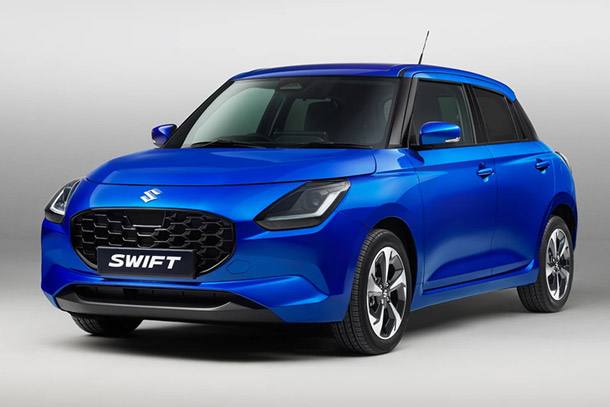
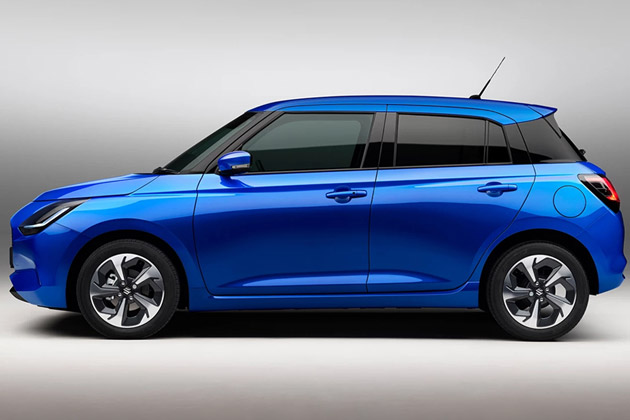
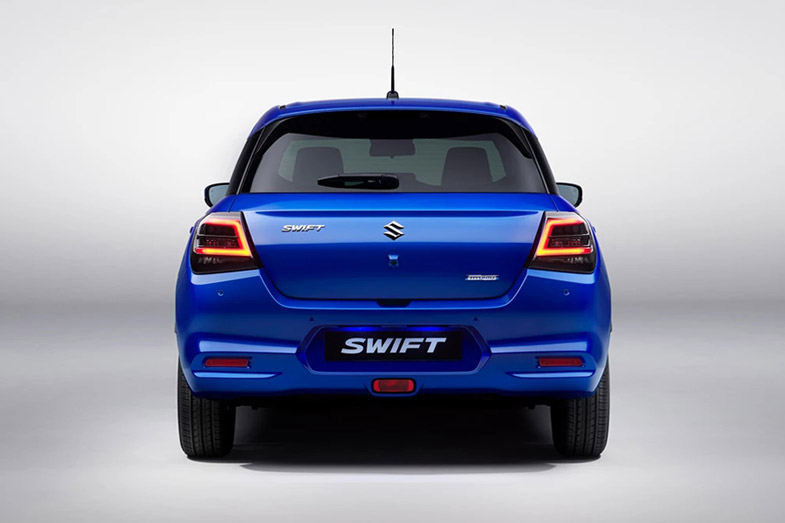
The Suzuki Swift has a more compact body. Length: 3,860 mm, width: 1,735 mm, height: 1,520 mm. Wheelbase: 2,450 mm. Due to its taller body, rear headroom is quite good. The boot capacity is 265 litres, expandable to between 580 and 948 litres with the rear seats folded down.
The Mazda2 petrol version has a longer body. Length: 4,065 mm, width: 1,695 mm, height: 1,495 mm. Wheelbase: 2,570 mm. Boot space ranges from 250 to 440 litres, slightly smaller than the Swift. The European hybrid version measures 3,940 mm in length and has a boot capacity of 286 litres.
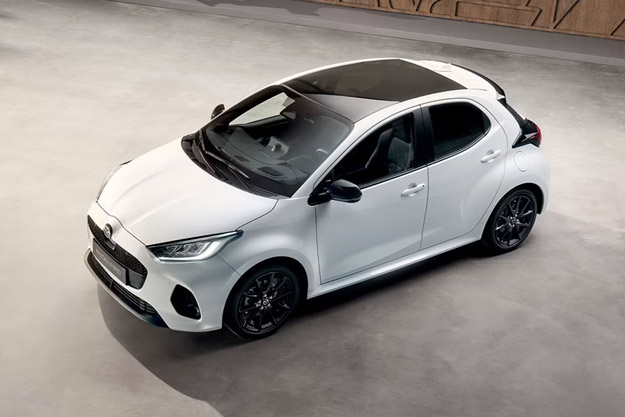
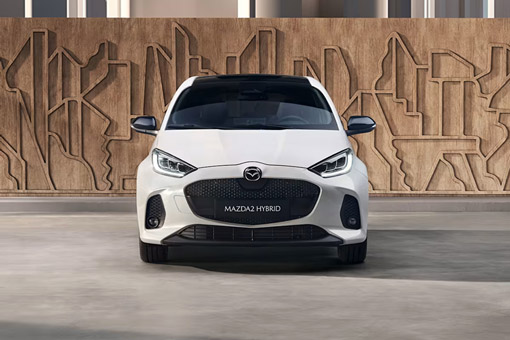
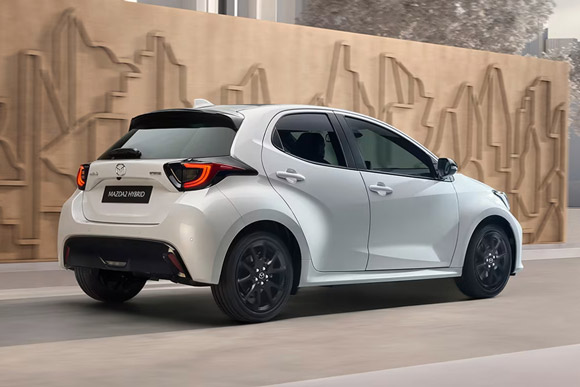
Although the Swift is shorter, its boxier silhouette results in higher interior space utilization. Multiple reviewers have pointed out that the Swift is “roomier than most of its rivals.” The Mazda2, by contrast, leans towards a more driver-focused design, leaving the rear space relatively cramped.
The Swift is very generous with its standard equipment. The GLX version comes standard with: a 9.0-inch touchscreen, wired Apple CarPlay and Android Auto, satellite navigation, DAB+ digital radio, LED headlights and daytime running lights, heated door mirrors, keyless entry and start, 16-inch alloy wheels, privacy glass, a leather steering wheel, heated front seats, a wireless charger, paddle shifters, single-zone automatic climate control, and rear HVAC vents.
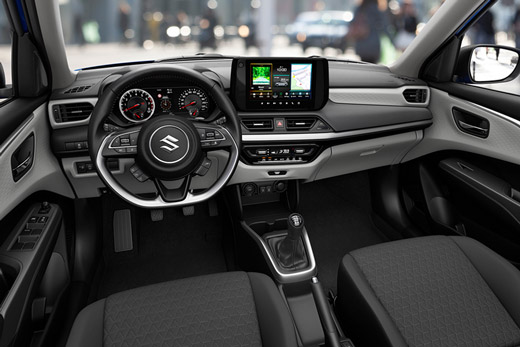
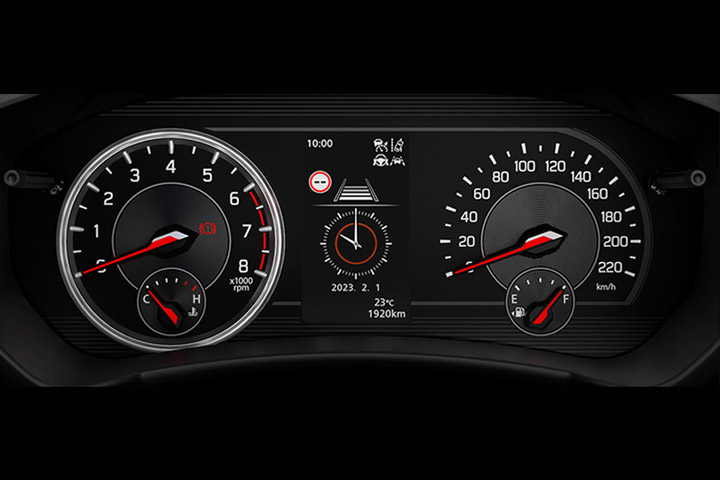
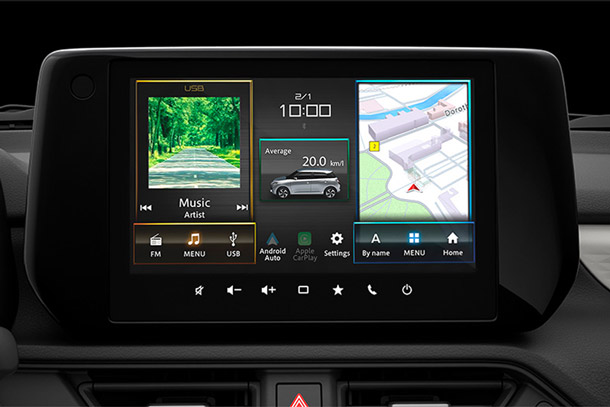
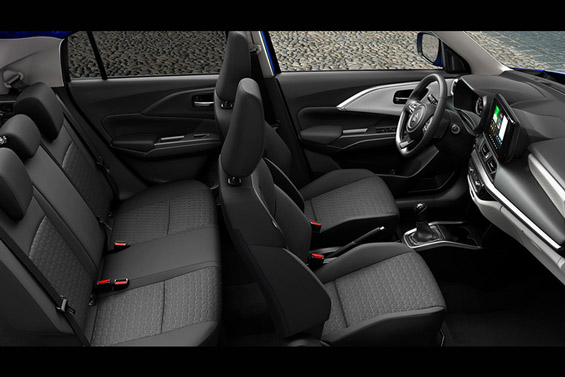
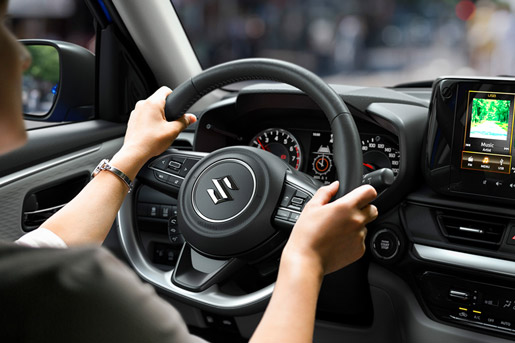
Safety features are equally generous: 6 airbags, autonomous emergency braking, adaptive cruise control, lane keep assist, traffic sign recognition, a reversing camera, rear parking sensors, blind spot monitoring, and rear cross-traffic alert are all included.
The European hybrid version is relatively well-equipped. The entry-level Prime-Line comes standard with heated front seats, a height-adjustable passenger seat, rear power windows, and a four-speaker sound system. Mid-to-high-spec models feature a 9.0-inch touchscreen, a 7.0-inch digital instrument cluster, a reversing camera, smart keyless entry, and dynamic radar cruise control.
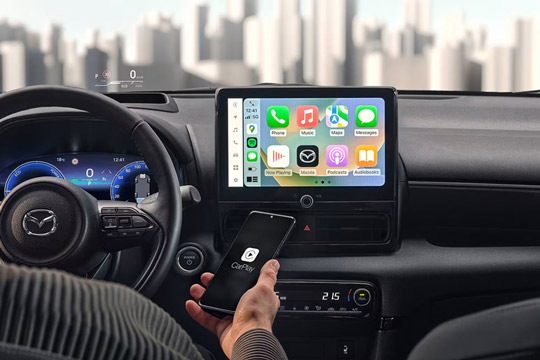
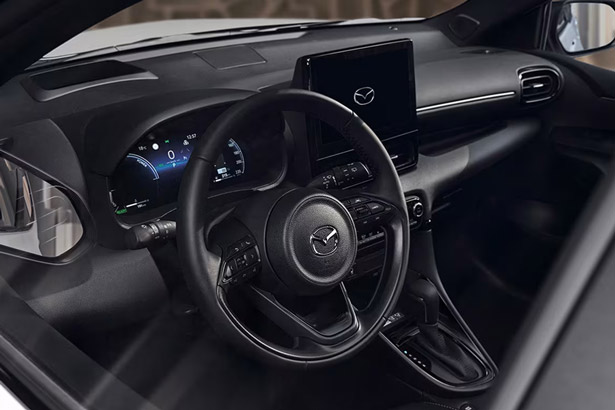
The petrol-powered Mazda2 is slightly inferior. The base Active version only comes with 2 airbags. The mid-range Dynamic version adds side airbags and curtain airbags. Standard features include a 7.0-inch touchscreen (requiring a wired connection for smartphones), the MZD Connect system, Apple CarPlay, and Android Auto. The top-spec Individual version features a head-up display, a wireless charger, and paddle shifters.
One unignorable difference lies in the safety rating. The Suzuki Swift only achieved a three-star Euro NCAP rating. This is undoubtedly a major weakness of the Swift. The Mazda2 Hybrid (i.e., the Toyota Yaris) holds a higher safety rating. For family users who prioritize safety, this is an important consideration.
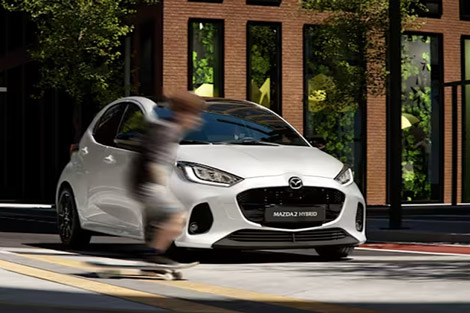
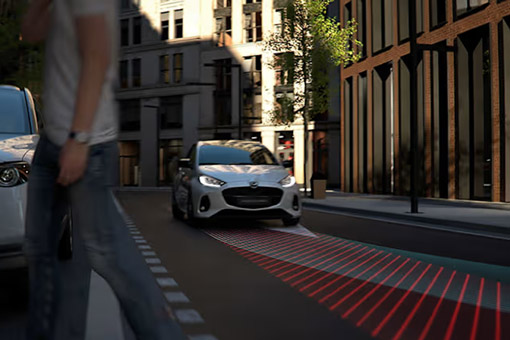
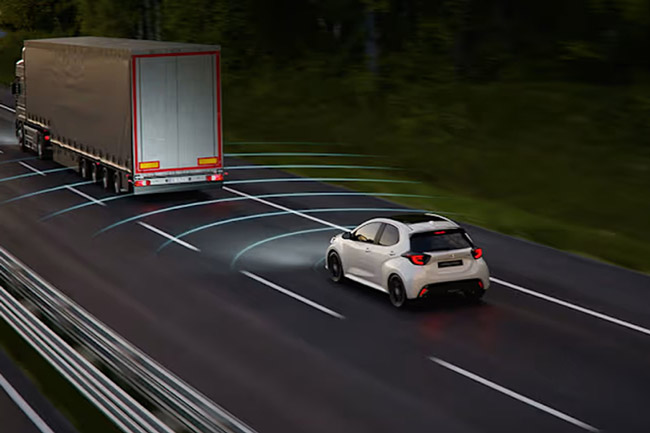
The Suzuki Swift is hailed as “a lot of fun to drive.” Thanks to its lightweight body of just 957 kg, the Swift is agile and nimble when navigating city streets. Multiple reviewers praise it as being “roomier than most rivals, and exceptionally well equipped at this price point.” The manual version adds driving engagement, while the automatic CVT version is better suited for daily commuting. The biggest drawback is the relatively loud engine noise at high speeds.
The Mazda2, in contrast, exhibits a more mature and refined character. Its “superb ride and handling refinement” is highly acclaimed. The GVC Plus acceleration vectoring control system, combined with ergonomically designed seats, helps reduce fatigue on long drives. However, reviewers also point out that the Mazda2 “lacks equipment at this price point, and its model age is showing.” Multiple Australian reviewers have bluntly stated that, compared to the Suzuki Swift and the MG3, the Mazda2 “already feels dated.”
Maintenance costs equally impact long-term value for money.
The Swift enjoys a five-year/unlimited-kilometre warranty in Australia, with service intervals of 12 months/15,000 km, along with up to five years of complimentary roadside assistance. The Mazda2 enjoys a five-year/unlimited-kilometre warranty, a three-year/unlimited-kilometre service plan, and five years of roadside assistance in South Africa. The European hybrid version comes with a six-year warranty.
For routine maintenance, the Swift usually costs less due to its simpler engine structure. The Mazda2 Hybrid, employing a full hybrid system, entails higher complexity for long-term maintenance. The Swift also uses smaller tyre sizes, resulting in lower replacement costs.
So, which is the king of value for money in 2026? The answer needs to be viewed on a market-by-market basis.
The Suzuki Swift is better suited for:
The Mazda2 is better suited for:
For the majority of global consumers, the Suzuki Swift outshines the Mazda2 in overall value for money, thanks to a lower purchase price, lower daily fuel costs, and richer standard equipment. You are not just buying a car; you are buying a complete mobility package—one that comes with lower monthly payments, fewer stops at the petrol station, and cheaper year-end maintenance bills.
Nevertheless, the Mazda2 remains a more refined and mature choice. If you are willing to pay a premium for a more upscale feel and a more comfortable driving and riding experience, and the hybrid version is available in your market, it is equally worthy of your serious consideration.

